


The Brazilian Citrus Industry Under Siege: Why Conservatives Must Defend Free Trade in This Fight
By Laiz Rodrigues
The citrus industry in Brazil, a global powerhouse, is staring down the barrel of a 50% tariff imposed by the United States, set to take effect August 1, 2025. This move, driven by President Donald Trump’s aggressive trade agenda, threatens to cripple a sector that supplies over half of America’s orange juice and employs thousands in Brazil’s agricultural heartland. As conservatives, we must stand firm against these tariffs, not only to protect economic freedom but also to safeguard the principles of sovereignty, market competition, and consumer choice that we hold dear.
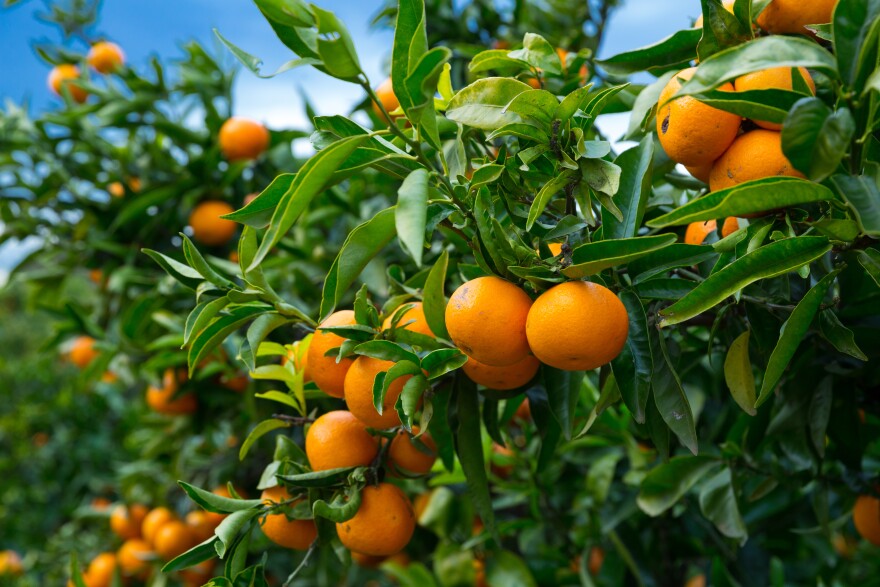
Brazil’s citrus industry is a titan, producing roughly 75% of the world’s orange juice exports. The United States, a key market, relies heavily on Brazilian imports to quench its thirst for this breakfast staple, especially as Florida’s citrus production has plummeted nearly 90% over the past two decades due to citrus greening disease, hurricanes, and labor shortages. Brazil’s efficient groves and low-cost production have filled the gap, keeping orange juice affordable for American families. But these new tariffs, announced in a politically charged letter citing Brazil’s legal actions against former President Jair Bolsonaro, risk spiking prices and disrupting supply chains. This is not just an economic misstep—it’s a betrayal of conservative values.
First, let’s talk sovereignty. Brazil, a sovereign nation, has the right to handle its internal affairs, including the prosecution of Bolsonaro for his alleged role in a 2022 coup attempt. As conservatives, we champion the rule of law and national autonomy. Imposing punitive tariffs to meddle in Brazil’s judicial process reeks of the overreach we criticize in globalist institutions like the United Nations. If we believe in nations governing themselves without foreign interference, we must reject tariffs used as political cudgels. Brazil’s response—threatening reciprocal tariffs on U.S. goods—shows the danger of escalation. A trade war serves no one, least of all American consumers or Brazilian farmers.
Second, free markets are the bedrock of conservative economic philosophy. Tariffs distort competition, inflate prices, and punish efficiency. Brazil’s citrus industry thrives because it produces high-quality orange juice at lower costs than American growers can currently match. Florida’s citrus woes—down from 76% of U.S. production in 2000 to just 17% today—are not Brazil’s fault. They stem from natural disasters and slow adaptation to disease. Slapping a 50% tax on Brazilian imports won’t revive Florida’s groves overnight; it will only raise orange juice prices for working-class Americans already squeezed by inflation. Estimates suggest wholesale coffee prices, also hit by these tariffs, could jump 50%, with orange juice likely following suit. This is a tax on consumers, plain and simple, and conservatives should oppose it as fiercely as we do any government overreach.
Third, consider the ripple effects. Brazil’s citrus industry supports millions of jobs, from rural growers to processing plants. Tariffs threaten to choke this economic engine, potentially destabilizing a key ally in Latin America. Conservatives understand that strong economies abroad create stable partners, not rivals. Brazil’s ability to redirect exports to Europe or Asia may cushion the blow, but the loss of U.S. market access could still devastate rural communities. Meanwhile, American industries tied to Brazil—think aircraft manufacturing, where Florida ranks third nationally—face supply chain disruptions. These tariffs don’t just hurt Brazil; they boomerang back to American workers.
Some conservatives might argue that protecting domestic industries justifies these tariffs. After all, supporting American farmers is a noble goal. But Florida’s citrus industry, battered by forces beyond Brazil’s control, cannot scale up to meet demand anytime soon. The U.S. Department of Agriculture notes that orange production has dropped 92% since 2003-04, and growers themselves admit they can’t fill the gap. Tariffs won’t magically restore groves; they’ll only punish consumers and exporters alike. True conservatism trusts markets to find balance, not government fiat to pick winners.
Moreover, these tariffs are tainted by political motives. Trump’s letter explicitly ties them to Bolsonaro’s trial, a move that undermines the economic rationale and risks alienating even conservative Brazilians who see it as foreign meddling. The backlash in Brazil, where protests have burned Trump effigies, shows how this policy could backfire, boosting President Lula’s nationalist credentials while tarnishing Bolsonaro’s allies. Conservatives should be wary of policies that sacrifice economic sense for political grandstanding.
We must defend free trade in this case because it aligns with our principles: limited government, national sovereignty, and market-driven prosperity. Brazil’s citrus industry isn’t the enemy—disease, weather, and bad policy are. By opposing these tariffs, conservatives can stand up for American consumers, Brazilian farmers, and the economic freedom that strengthens both nations. Let’s reject protectionism and embrace the competition that makes markets thrive.