





Unraveling the Mystery: Why Did Justice Moraes Back the PL da Dosimetria Deal?
By Hotspotnews
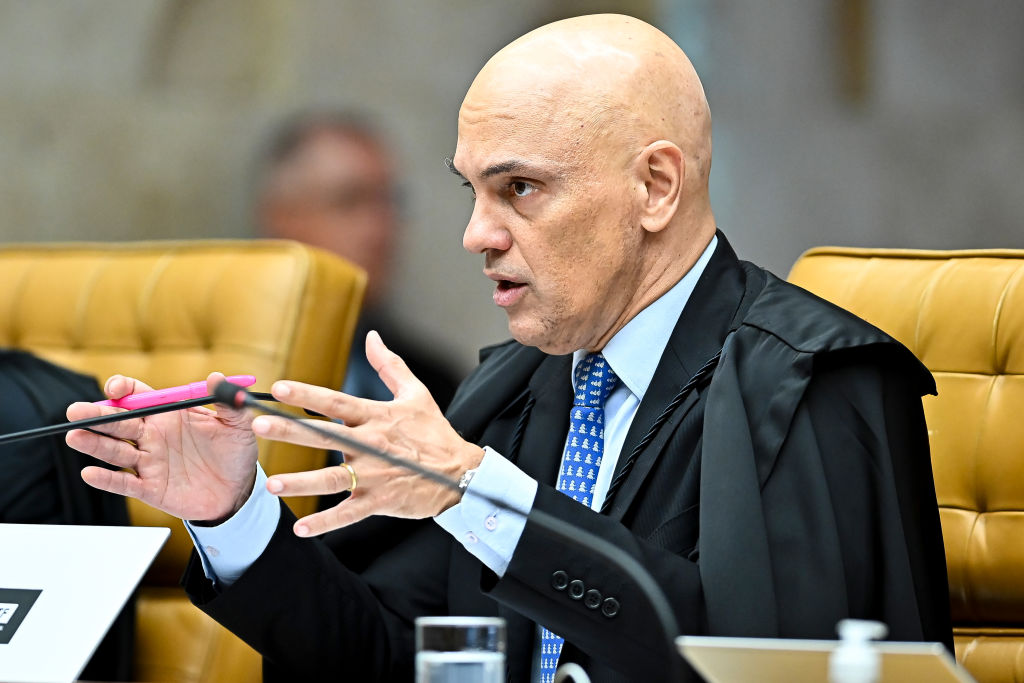
The controversial PL da Dosimetria bill, approved by Brazil’s Senate on December 17, 2025, by a vote of 48 to 25, recalibrates criminal penalties in ways that directly benefit those convicted for the January 8, 2023, attacks on democratic institutions and the associated coup plot. This includes reducing effective prison time for figures like former President Jair Bolsonaro. At the center of the intrigue is Supreme Federal Court (STF) Justice Alexandre de Moraes, the very judge who led the prosecutions and publicly condemned any leniency as a threat to democracy.
Publicly, Moraes has been unwavering: On the eve of the Senate vote, he warned that softening penalties would signal tolerance for future assaults on the republic. Yet credible reports from senators and journalists reveal he privately engaged with lawmakers, suggesting textual adjustments to the bill approved by the Chamber of Deputies. Senators, including Alessandro Vieira, accused Moraes of direct involvement in crafting a viable version while decrying it from the bench—a clear case of saying one thing in public and doing another behind closed doors.
So why would Moraes, the staunch defender against the January 8 perpetrators, facilitate a bill that lightens their sentences?
The answer lies in **political horse-trading**. The deal was part of a broader bargain to secure Senate confirmation for Jorge Messias, President Lula’s nominee to the STF. Opposition senators had been scrutinizing Messias intensely, viewing him as too aligned with the government. In exchange for easing passage of the PL da Dosimetria, the government’s Senate leader, Jaques Wagner, urged opposition members to “soften their hearts” toward Messias’s nomination. Moraes’s adjustments helped shape a bill palatable enough to win votes, trading judicial concessions for political gains within the court itself.
This quid pro quo extended to budgetary incentives: Billions in federal amendments (public funds) were reportedly allocated to sway senators, alongside promises of smoother sailing for government priorities like tax reforms. Conservatives see this as classic establishment maneuvering—sacrificing accountability for January 8 to preserve alliances between the Lula administration and parts of the judiciary.
The full Senate approved the bill after it cleared the Constitution and Justice Committee (17-7). Strong support came from parties like PL (all in favor), União Brasil, Republicanos, and others in the center-right, reflecting opposition desires to aid convicted allies. The final text included an amendment restricting application primarily to January 8-related crimes, avoiding broader loopholes that could benefit unrelated offenders.
Could this be deliberate sabotage to nullify the convictions entirely? Unlikely. The bill reduces penalties and progression times but does not annul convictions or grant amnesty—that remains a bolsonarista dream explicitly rejected as an alternative. If anything, Moraes’s involvement ensured a controlled outcome: lighter sentences without full pardon, preventing escalation that might further polarize the nation or invite international backlash. Critics argue it still undermines justice, treating attacks on democracy as negotiable. Supporters frame it as correcting overly harsh applications of law for lower-level participants.
In the end, this episode exposes the perils of blurred lines between branches of government. When a Supreme Court justice negotiates legislative outcomes on cases he oversees, it erodes impartiality and public trust. Brazil’s institutions deserve better than backroom deals that barter accountability for political convenience. True conservatives demand unwavering rule of law—no exceptions for threats to the republic.


