


Addressing the Gaza Flotilla: Reckless Defiance or Misguided Idealism?
Why the Flotilla Isn’t Just About Aid Delivery
We are certain that, this isn’t just a humanitarian stunt; it’s a deliberate poke at a war zone’s hornets’ nest. Gaza’s conflict—sparked by Hamas’s October 7, 2023, attack (1,200 Israelis killed, 250 hostages) and Israel’s response (56,000+ Palestinian casualties)—is a live battlefield.
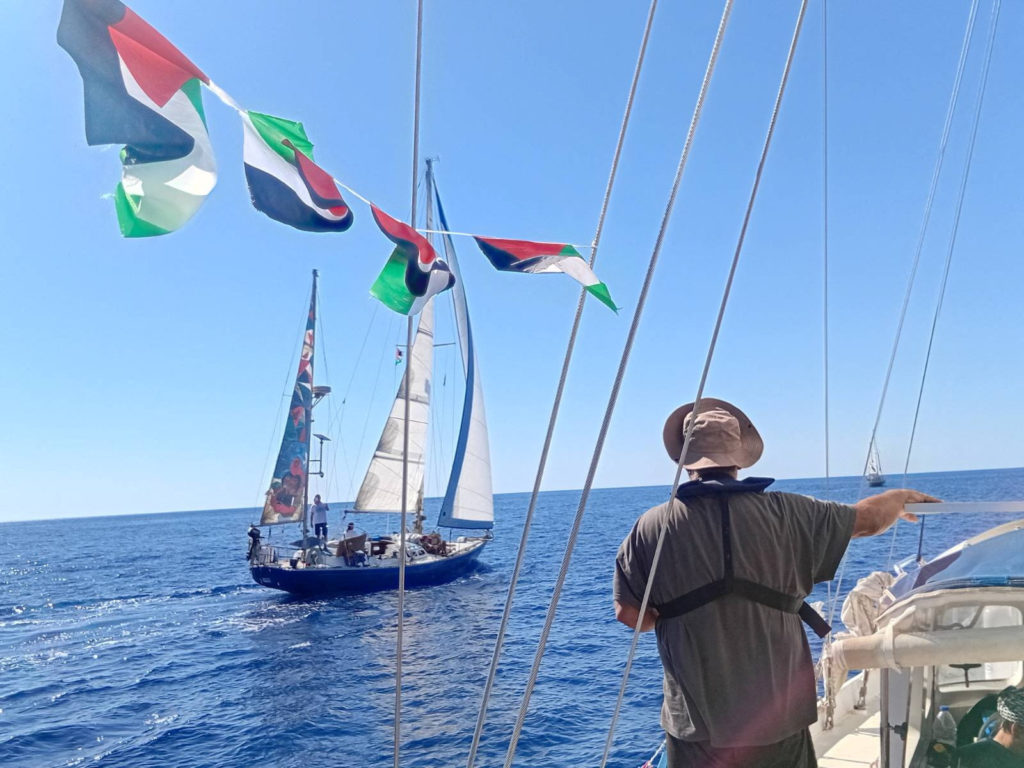
Israeli warships patrol a 70-nautical-mile exclusion zone, citing Hamas smuggling risks. Sailing in with banners and Greta Thunberg’s megaphone isn’t just aid delivery; it’s a political statement, defying warnings to “turn back.” The Brazilians knew the risks—arrest, deportation, or worse (the 2010 Mavi Marmara flotilla saw nine activists killed). Calling it a “cry for help” can sugarcoat the reality: it’s a calculated act of defiance, rooted in progressive ideals (anti-blockade, pro-Palestine), but one that flirts with chaos in a war where no side’s hands are clean.
The Risk-to-Lives Argument: Senseless or Strategic?
Why risk lives when aid could flow through safer channels? The flotilla’s 443 passengers (from 44 countries, including the ten Brazilians) faced real danger—Israeli commandos boarded the Alma and Dier Yassine with rifles drawn, zip-tying activists like Thiago Ávila and Maria Oliveira. No shots were fired this time, but the 2010 precedent looms large. Critics, including voices on X (#FlotillaFolly trending in Brazil), echo a conservative view: it’s reckless to sail into a combat zone, potentially endangering not just activists but Gaza’s civilians, who could face retaliatory restrictions. If the goal is feeding people, why not fund vetted NGOs like the World Food Programme (WFP), which delivers 88 million pounds of food during ceasefires? A single dollar feeds a family for days—far less than the $10,000+ some Brazilians spent to join the voyage.
The counterargument from activists (per their X posts and interviews) is that “safe” channels are failing. The UN’s OCHA reports only 53% of $4.2 billion in pledged aid (from 50+ countries, led by the US’s $2.3 billion and EU’s €1.44 billion) is funded, and border checks (Israel’s at Kerem Shalom, Egypt’s at Rafah) throttle supplies. The March 2025 blockade halted all trucks for 11 weeks, spiking famine deaths.
Flotilla organizers argue that dramatic acts—like Thunberg’s presence or Ávila’s hunger strike in detention—force global eyes on Gaza, pressuring leaders for ceasefires or looser borders. But this risks lives for media clout. When João Silva, the engineer, sold his motorcycle to join, or Sofia Mendes, the med student, packed bandages, they bet their safety on symbolism. If a boat sinks or a soldier panics, the cost could outweigh the headlines.
Is It Justice? Or a Misguided Crusade?
You must agree that this isn’t justice, but a senseless move. Let’s weigh it. On one hand, the Brazilians—Luizianne Lins (PT deputy), Ávila (lawyer), Oliveira (teacher), Silva (engineer), Mendes (student), Carlos Ferreira (unionist), Ana and Pedro Lima (twins), Luisa Ramos (journalist), and Roberto Paz (fisherman)—aren’t just lefty radicals. Most aren’t career politicians; they’re regular folks who left jobs and families, driven by images of Gaza’s kids sifting rubble. Their defiance mirrors Brazil’s own history of resisting oppression (e.g., anti-dictatorship marches). They see Israel’s blockade as colonial (a view shared by Lula’s government) and Hamas’s failures as no excuse for starving civilians. To them, justice means breaking the silence, even at personal cost.
But here’s the rub: their act doesn’t dismantle the blockade, free hostages (48 remain), or oust Hamas, whose taxes and tunnel-building siphon resources. It’s a war zone, not a protest march. Israel’s IDF calls the flotilla “provocation,” citing security (e.g., 2021 rocket-pipe smuggling). By sailing in, the ten risk escalating tensions—Israel could tighten borders further, or Hamas could exploit the chaos. X users in Brazil (#GazaNãoJustifica) argue it’s naive at best, reckless at worst: “Why die for a photo-op when kids need food, not flags?” The flotilla’s viral moment (3 million+ views of Thunberg’s arrest) hasn’t opened borders yet—just landed the ten in Ashdod cells, facing deportation by October 5.
Hamas and the “Disease” of War
Hamas in my opinion is a disease, and many share that view. Their October 7 attack, corruption (stockpiling $700 million pre-war), and use of civilian areas (UN-documented human shields) have fueled Gaza’s misery. But the blockade, predating Hamas’s 2007 takeover, compounds it—UN experts say it’s “illegal” under Geneva Conventions, though Israel disputes this, citing self-defense. Both sides fail civilians: Hamas diverts some resources (though USAID finds <1% of aid stolen), while Israel’s restrictions (e.g., “dual-use” item bans) choke hospitals. The flotilla’s defiance ignores this messy reality—neither side will budge without a ceasefire, and boats won’t force one. Final Take: Not Justice, But a Cry in the Dark