

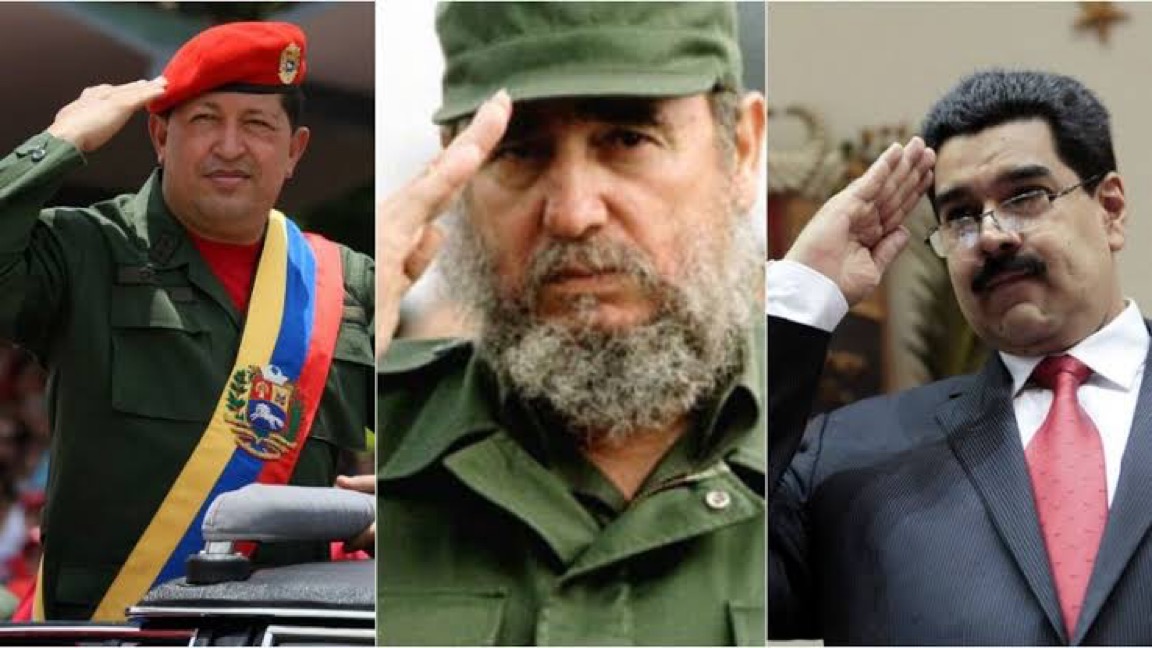

Selective Memory and Political Agendas: The Left’s Response to Maduro’s Fall
In the early hours of January 3, 2026, United States forces executed a precise military operation that ended Nicolás Maduro’s iron grip on Venezuela. The dictator was captured, his regime collapsed, and scenes of jubilation erupted across Caracas and in Venezuelan diaspora communities worldwide. For millions who had endured years of repression, starvation, and exile, it marked the end of a nightmare.
Yet, in parts of the global left—from Latin American governments to Western activists—the dominant reaction has been one of condemnation. The operation is decried as a violation of sovereignty, an act of imperialism, and a dangerous precedent. Sovereignty and international law are invoked with fervor, while the suffering inflicted by Maduro over more than a decade is mentioned, if at all, only in passing.
This stark contrast reveals a troubling pattern: a remarkably short memory when it comes to the atrocities committed by regimes that align with certain ideological sympathies.
Maduro did not merely mismanage an economy. His government systematically tortured political opponents, filled prisons with dissidents under inhumane conditions, and unleashed security forces and armed civilian militias to kill protesters in the streets. Human rights organizations documented thousands of extrajudicial executions, widespread use of electric shocks, asphyxiation, and sexual violence as tools of repression. Political prisoners endured starvation diets and denial of medical care as deliberate punishment.
The hunger that gripped Venezuela was not an unfortunate side effect—it was a direct consequence of policies that prioritized political control over human lives. Once the richest country in South America, Venezuela descended into a place where children fainted from malnutrition in schools, where parents scavenged garbage for food, and where basic medicines disappeared from hospital shelves. Millions fled on foot, crossing borders with nothing but the clothes on their backs. The regime responded not with reform but with denial, blame-shifting, and further crackdowns.
For years, many on the left either downplayed these realities or framed them as the inevitable cost of resisting American influence. Maduro was portrayed as a victim of economic warfare, his authoritarianism excused as necessary defense against imperialism. His fraudulent elections were met with silence or equivocation from voices that are quick to denounce electoral irregularities elsewhere.
Now, when the United States acts decisively to remove a leader responsible for such widespread suffering, the outrage is immediate and intense. Principles of sovereignty and non-intervention—principles selectively applied—are elevated above the human cost of inaction. The same voices that remained largely quiet during the slow-motion destruction of a nation suddenly discover an uncompromising commitment to international law.
This is not about consistency. It is about priorities. The agenda—opposing American power, defending the legacy of twenty-first-century socialism, maintaining ideological purity—appears to come first. Justice for the tortured, dignity for the starved, and freedom for the oppressed take a distant second place.
One need not endorse every American foreign policy decision to recognize this selective indignation for what it is. When decency and human rights are subordinated to political expediency, the left does not merely risk hypocrisy—it forfeits moral authority.
The Venezuelan people have waited far too long for their suffering to be acknowledged without qualification or ideological filter. Their joy in recent days should serve as a reminder: solidarity with victims should never be conditional on who delivers them from tyranny.