

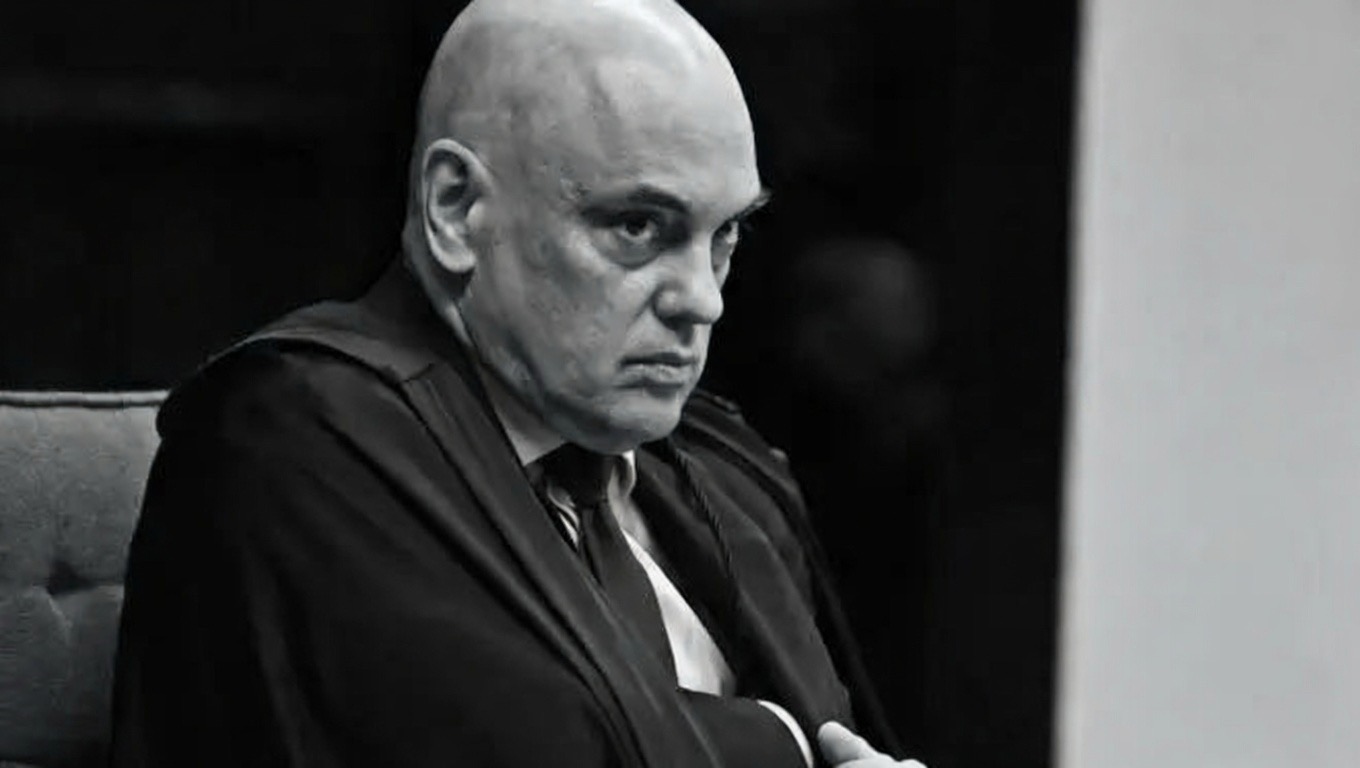

Supreme Court Overreach: Moraes Shuts Down Medical Probe into Bolsonaro’s Prison Care, Sparks Outrage Over Judicial Tyranny
By Hotspotnews- January 7, 2026
in my experience, I have never seen or witnesses something so terrifying. A man, one psychopath, who granted himself powers to interfere, decide, accuse, and condemn with tyranny and terror. A man, a being capable of so much hate. It is just outrageous.
In a stunning display of judicial activism that reeks of political vendetta, Brazilian Supreme Federal Court (STF) Minister Alexandre de Moraes has once again flexed his unchecked power, this time by nullifying a legitimate investigation by the Federal Council of Medicine (CFM) into the medical treatment of imprisoned former President Jair Bolsonaro. The decision, issued today in case EP 169/DF, not only halts an independent probe into Bolsonaro’s health amid reports of inadequate care but also drags the CFM’s president before federal police for questioning. Conservatives across Brazil are calling this a blatant assault on institutional independence and a chilling example of how the judiciary under Moraes is weaponizing the law against political opponents.
The Incident That Sparked the Controversy
Former President Jair Bolsonaro, a steadfast conservative leader who has been incarcerated following what many view as politically motivated convictions tied to the 2022 election aftermath, suffered a fall in his cell at Federal Police headquarters in Brasília yesterday. Reports indicate he hit his head, prompting immediate concerns from his family and supporters about the quality of medical attention provided in custody. In response, the CFM—Brazil’s autonomous medical regulatory body—announced an immediate “sindicância” (investigative inquiry) to examine whether Bolsonaro’s care met professional standards. This move was seen by many as a necessary check on potential negligence in the prison system, especially given Bolsonaro’s high-profile status and the ongoing debates about his treatment.
But Moraes, who has overseen Bolsonaro’s cases with an iron fist, wasted no time in intervening. In his ruling, he declared the CFM’s action “flagrantly illegal” and a “deviation from purpose,” effectively banning the council from pursuing any such investigation at the national or state level.
Moraes’ Stated Reasons: A Thin Veil for Control?
Moraes justified his decision by arguing that the CFM lacks jurisdiction to probe medical services provided by the Federal Police or prison authorities. He labeled the inquiry as an improper overreach, claiming it was motivated by ulterior purposes rather than genuine medical oversight. In conservative circles, this rationale is dismissed as a smokescreen. Why, critics ask, should a professional medical body be barred from reviewing care standards for any citizen, let alone a former head of state? Bolsonaro’s allies point out that this isn’t the first time Moraes has stifled scrutiny of the government’s handling of the ex-president—echoing his broader pattern of censoring media, suspending social media accounts, and targeting dissenters under the guise of protecting democracy.
From a conservative lens, Moraes’ reasoning exposes the hypocrisy at the heart of Brazil’s left-leaning judiciary. While progressive voices cheer his actions as safeguards against “threats to institutions,” conservatives see it as selective enforcement: Bolsonaro’s rights are trampled while his accusers operate with impunity. This decision, they argue, prioritizes maintaining narrative control over ensuring transparency and human rights, especially for a leader who championed family values, economic freedom, and anti-corruption reforms during his presidency.
The Consequences: Erosion of Trust and Broader Implications
The fallout from Moraes’ ruling is already rippling through Brazil’s political landscape. By annulling the CFM’s probe, the decision ensures that any questions about Bolsonaro’s medical care remain unanswered by an independent body, leaving his health records solely in the hands of the Supreme Court. Moraes even ordered the private Hospital DF Star, where Bolsonaro underwent exams today, to submit all reports directly to him within 24 hours—further centralizing power and raising alarms about privacy and due process.On a larger scale, this move could deter other professional organizations from intervening in politically sensitive cases, fostering a climate of fear among institutions that might otherwise hold the government accountable. Conservatives warn that it sets a dangerous precedent: If the judiciary can unilaterally shut down a medical council’s work, what’s next? Probes into educational standards, environmental regulations, or even journalistic inquiries could be next on the chopping block if they inconvenience the ruling elite.
Economically and socially, the decision exacerbates Brazil’s polarization. Bolsonaro’s supporters, already mobilized by his imprisonment, are likely to rally further, viewing this as proof of a “deep state” conspiracy. Polls show eroding public trust in the STF, with many Brazilians—particularly in conservative strongholds like the South and Midwest—questioning whether justice is blind or blinded by ideology. International observers, including U.S. conservatives who admire Bolsonaro’s pro-America stance, may amplify calls for scrutiny of Brazil’s judicial system, potentially straining diplomatic ties.
Is Moraes Punishing the CFM? Absolutely—And It’s Personal
Make no mistake: This isn’t just oversight; it’s punishment. By summoning the CFM’s president for Federal Police interrogation within 10 days to “explain the illegal conduct” and probe potential criminal liability, Moraes is sending a clear message—cross the line on Bolsonaro, and face consequences. The CFM, traditionally an apolitical entity focused on ethical medical practices, now finds itself in the crosshairs for daring to act on complaints that could embarrass the current administration.
Conservatives argue this is punitive overkill, designed to intimidate and silence. Why criminalize a routine professional inquiry unless it’s to protect a narrative? Bolsonaro himself has accused Moraes of authoritarian tendencies, and this episode only bolsters that claim. In a nation still healing from the 2022 election divides, such actions risk pushing Brazil toward greater instability, where judicial decrees replace democratic dialogue.
As conservatives, we must stand firm: True justice demands accountability for all, not selective silencing. Bolsonaro’s plight is a rallying cry—defend institutional freedom, or watch it crumble under the weight of judicial overreach.