

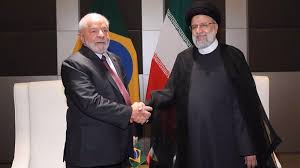

Lula’s Reckless Embrace of Iran’s Tyranny: A Blow to U.S.-Brazil Relations
By Hotspotnews
In a move that reeks of ideological blindness and diplomatic shortsightedness, Brazilian President Luiz Inácio Lula da Silva’s administration wasted no time in condemning the joint U.S.-Israel military operations against Iran on February 28, 2026. Through an official statement from Brazil’s Ministry of Foreign Affairs, Lula’s government expressed “grave concern” over the strikes, framing them as a disruption to ongoing negotiations and urging all parties to adhere to international law and protect civilians. But let’s call this what it is: a thinly veiled defense of one of the world’s most repressive dictatorships, a regime that has spent decades murdering its own citizens, sponsoring terrorism, and trampling human rights—all while Lula turns a blind eye in the name of “diplomacy.”
The Iranian theocracy under Supreme Leader Ayatollah Ali Khamenei is no stranger to brutality. It has executed thousands of political prisoners, protesters, and minorities, often through public hangings and sham trials. Women are systematically oppressed under draconian laws enforcing hijab mandates, with security forces beating and killing those who dare to resist—like the tragic case of Mahsa Amini, whose 2022 death sparked nationwide uprisings that the regime drowned in blood. LGBTQ+ individuals face death sentences, journalists are jailed or disappeared, and religious minorities endure constant persecution. This is a government that funds proxy militias to sow chaos across the Middle East, arms terrorists attacking American troops, and relentlessly pursues nuclear weapons to threaten global stability. Yet Lula, with his history of cozying up to leftist autocrats from Venezuela’s Maduro to Cuba’s Castro successors, chooses to criticize the forces dismantling this menace rather than the menace itself.
By aligning with Iran in this critical moment, Lula has made a grave miscalculation that could poison U.S.-Brazil relations for years to come. President Donald Trump, fresh off authorizing Operation Epic Fury to neutralize Iran’s missile and nuclear threats, has made it clear that America will no longer tolerate appeasement of rogue states. Trump’s direct appeal to the Iranian people to rise up and claim their freedom stands in stark contrast to Lula’s call for “restraint,” which effectively shields the mullahs from accountability. This isn’t just bad foreign policy; it’s a betrayal of shared Western values like democracy and human rights that Brazil, as a key player in the Americas, should uphold.
The timing couldn’t be worse. With Trump back in the White House emphasizing America First and strong alliances against global threats, Brazil risks isolation. Economic ties—vital for Brazil’s agriculture exports, manufacturing, and investment inflows from the U.S.—could suffer if Lula’s administration is seen as unreliable or hostile. Already, conservative voices in Congress and the business community in Brazil are pushing back, arguing that Lula’s leftist leanings are dragging the country into unnecessary conflicts with its largest trading partner. Public opinion on platforms like X shows a divided Brazil, with many citizens criticizing the government for sympathizing with a regime that mirrors the worst excesses of authoritarianism.
Lula’s defenders might claim this is about sovereignty and multilateralism, but that’s a smokescreen. True multilateralism doesn’t involve propping up dictators who suppress their people and export violence. If Lula truly cared about peace, he’d condemn Iran’s aggression—its missile barrages on Israel and U.S. bases in the Gulf, its human shields tactics, and its role in regional instability. Instead, his stance emboldens tyrants and weakens the free world.
This episode is a reminder that leadership matters. Under Trump, America is acting decisively to protect its interests and promote liberty. Lula’s choice to stand with oppression over freedom not only alienates allies but also dishonors the Iranian dissidents risking everything for change. Brazil deserves better—a foreign policy rooted in principle, not partisanship. As the dust settles from these strikes, one thing is clear: Lula’s defense of Iran’s killing machine has made his relationship with the United States far more difficult, and it’s the Brazilian people who may pay the price.