

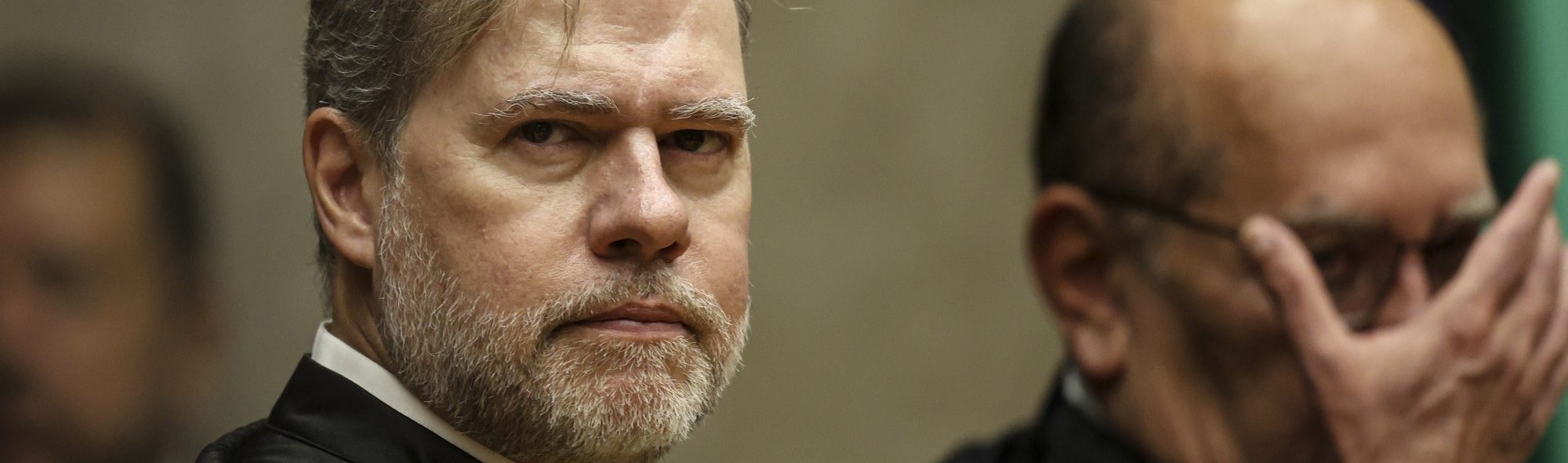

Brazil’s Judicial Rot Exposed: The Toffoli-JBS Scandal Is a Blatant Assault on the Rule of Law
By Hotspotnews
In what should shock every law-abiding Brazilian citizen, fresh evidence has emerged of suspicious financial maneuvers linking one of the nation’s most powerful Supreme Court justices to the very corporate giants he was duty-bound to judge impartially. Transparency International Brazil has sounded the alarm over Minister Luís Roberto Barroso’s colleague, Dias Toffoli, and the apparent inaction from the Prosecutor General’s Office (PGR), the Supreme Federal Court (STF) itself, and the Brazilian Bar Association (OAB). This isn’t just another headline—it’s a glaring symptom of institutional capture that threatens the very foundations of our republic.
Let’s cut through the legalese and get to the facts. In December 2023, J&F Investimentos and JBS—companies with a notorious history of corruption scandals and leniency deals—funneled a staggering R$11.5 million into the bank account of a virtually unknown lawyer in Goiânia. Maísa de Maio Lima Marciano ran a modest operation out of a shared virtual office, reporting meager monthly revenues of around R$9,000 and capital of just R$2,000. Days after these transfers, on December 18, she wired R$3.5 million straight to Paulo Humberto Barbosa, a figure tied to legal services for J&F/JBS. Barbosa, it turns out, later acquired stakes in a luxury resort in Paraná where Toffoli and his family have long-held hidden interests.
A Sicoob bank report to Brazil’s financial intelligence unit, COAF, rightly flagged these transactions as “high risk for money laundering.” The timing? Explosive. Just days later, on December 19-20, 2023, Minister Toffoli unilaterally suspended a R$10.3 billion fine imposed on J&F as part of its leniency agreement—stemming from massive corruption confessions tied to Operation Car Wash. This decision conveniently allowed for a review of “Spoofing” and “Vaza Jato” materials, potentially reopening doors for the very elites who profited from past graft.
Where is the outrage from Brazil’s so-called guardians of justice? The PGR, STF, and OAB have remained silent or slow to act, despite pension fund retirees staring down salary cuts because this massive fine remains unresolved. Ordinary Brazilians—hardworking families, small business owners, and retirees—bear the brunt while powerful insiders allegedly play games with public trust. This pattern isn’t new. It echoes years of judicial overreach, selective leniency for allies, and a slow erosion of the hard-won anti-corruption gains from Lava Jato. When the highest court bends rules for the connected few, it isn’t justice—it’s aristocracy in robes.
Conservatives have long warned that unchecked power in Brasília’s judicial halls leads to tyranny disguised as “democracy.” True democracy isn’t rule by unelected ministers or endless leniency deals for confessing criminals. It demands separation of powers, accountability for all, and institutions that serve the people—not the other way around. This scandal lays bare the rot: a system where timing of suspicious payments coincides with favorable rulings, where transparency is optional for the elite, and where watchdogs bark only at the politically inconvenient.
The solution cannot rest solely with investigators or the next election cycle’s promises. Brazilians must demand preventive removal where conflicts arise, full revocation of tainted deals, and sweeping reforms to restore balance. But above all, it falls to voters—the ultimate check on power—to reject the status quo.
In the coming elections, cast your ballot for candidates who genuinely respect the rules of a true democracy: those who champion the Constitution over personal agendas, who fight for equal justice under law, and who refuse to tolerate the capture of our institutions by corporate-political cabals. Support leaders committed to reining in judicial activism, enforcing strict separation of powers, and prioritizing the rule of law for every citizen, not just the powerful. Only then can Brazil reclaim its promise as a republic of laws, not men. The eyes of the nation—and the world—are watching.