

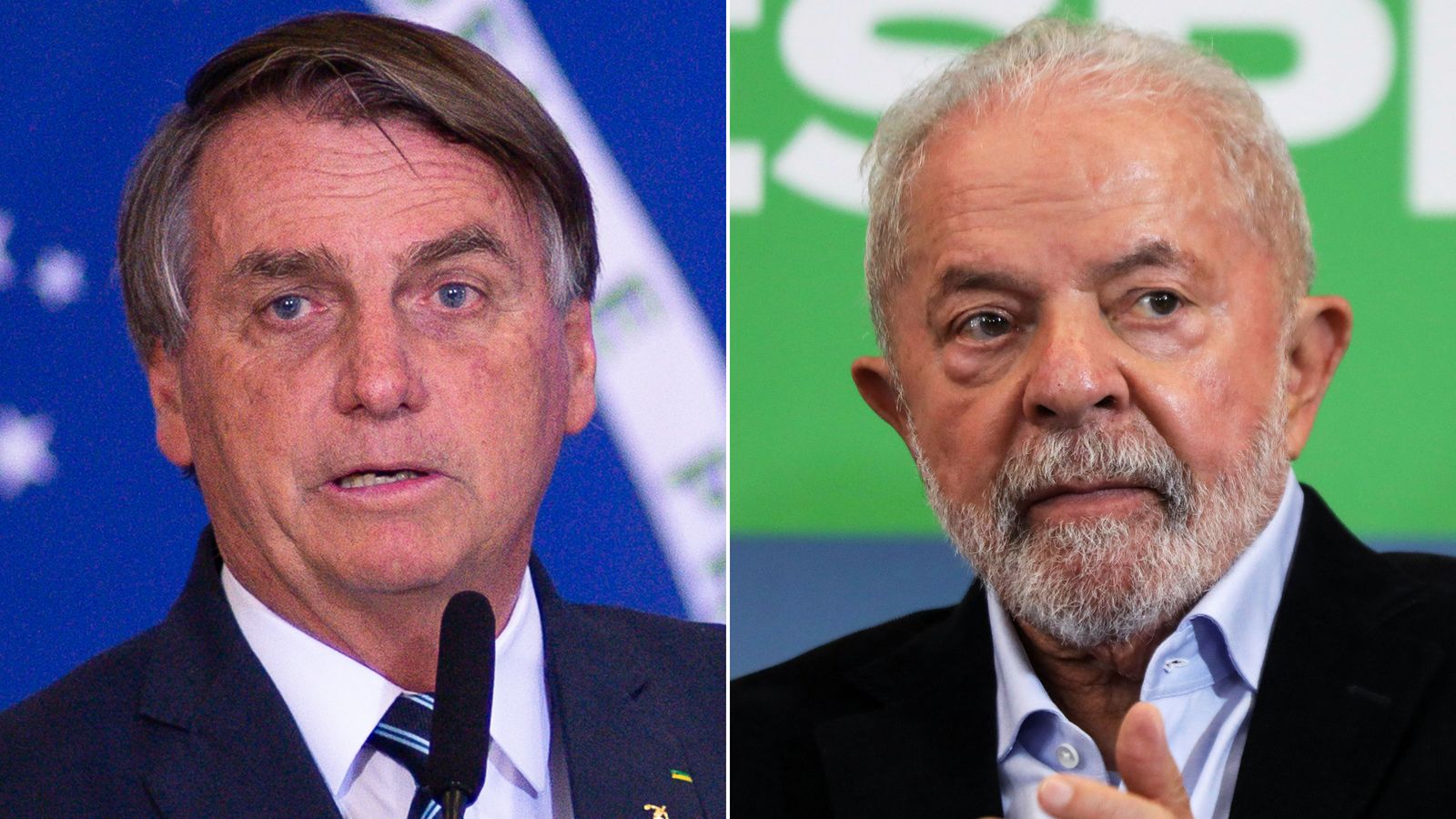

Bolsonaro’s Firm Stand Against Corruption vs. Lula’s Legacy of Scandal and Institutional Weakening: Principles of Integrity Over Political Protection
By Hotspotnews
Jair Bolsonaro entered the presidency in 2019 riding a powerful wave of public outrage against entrenched graft, promising a clean break from the systemic corruption that had plagued Brazil for decades under leftist rule. As a conservative leader committed to accountability, limited government interference in justice, and empowering independent institutions, Bolsonaro positioned himself as a defender of the rule of law. He brought in respected figures like Sérgio Moro— the judge who led the groundbreaking Operation Car Wash (Lava Jato) investigations—as Justice Minister, signaling a commitment to sustaining momentum against elite impunity. His administration emphasized transparency in public spending where possible, supported tougher penalties for white-collar crime, and sought to disrupt the cozy relationships between politicians, state-owned enterprises like Petrobras, and favored contractors that defined previous eras.
While no government is flawless, Bolsonaro’s tenure reflected a conservative ethos: treat corruption as a moral and economic cancer that demands strong enforcement, reduced political meddling in investigations, and rewards for honest public service rather than protection for allies. He inherited the tail end of Lava Jato’s successes, which had exposed billions in kickbacks and led to hundreds of convictions across party lines. Critics noted challenges, including family-related probes and some transparency setbacks like the “secret budget” mechanism, but his platform consistently framed corruption-fighting as central to restoring national trust and economic vitality. Under his watch, the focus remained on results-oriented governance that prioritized citizens over cronies.
In sharp contrast, Luiz Inácio Lula da Silva’s political career and presidencies have long been intertwined with major corruption scandals that eroded public faith. During his first terms (2003-2010), Brazil endured the Mensalão vote-buying scheme, where Workers’ Party (PT) operatives allegedly paid monthly bribes to secure congressional support, implicating high-level officials close to Lula. This was followed by the explosive Operation Car Wash, which uncovered a vast Petrobras bribery network involving inflated contracts, kickbacks funneled to politicians and parties, and losses estimated in the tens of billions. Lula himself faced convictions for corruption and money laundering tied to luxury properties allegedly received in exchange for political favors—though these were later annulled by the Supreme Court on procedural grounds amid accusations of judicial overreach. His return to power in 2023 has seen a de-emphasis on aggressive anti-corruption drives, with public statements criticizing Lava Jato as politically motivated rather than a necessary purge of wrongdoing.
Lula’s approach embodies a leftist tendency to frame corruption through the lens of “social justice” and coalition-building necessities, often leading to tolerance for patronage politics to maintain power. His current administration has faced fresh controversies, including a major pension fraud scandal involving unauthorized deductions worth billions from retirees’ benefits, prompting dismissals and asset freezes. Proposals to loosen rules on political appointments to state companies have raised alarms about reopening doors to favoritism. While isolated actions like sacking officials under investigation occur, the broader policy signals a reluctance to prioritize independent probes or institutional safeguards that might ensnare allies. Coalition dependencies in Congress further incentivize deal-making over rigorous oversight, echoing past patterns where party loyalty trumped accountability.
The philosophical gulf is profound. Bolsonaro’s conservative framework viewed corruption as a betrayal of public trust requiring deterrence through empowered law enforcement, reduced bureaucracy shielding the powerful, and a cultural shift toward personal responsibility and ethical leadership. This aligned with backing effective investigators and rejecting the notion that fighting graft equates to persecuting the left. Lula’s record, conversely, highlights a pattern of scandals during PT governance, followed by efforts to delegitimize the very mechanisms—like an independent judiciary and prosecutorial task forces—that exposed them. Convictions of PT figures and business partners in Lava Jato delivered real blows to corrupt networks, yet Lula’s narrative has cast these as selective attacks rather than justice served.
Transparency International’s Corruption Perceptions Index underscores persistent challenges in Brazil, with scores hovering in the low-to-mid 30s (on a 0-100 scale) in recent years and a 2025 ranking around 107th globally—indicating widespread public perception of graft regardless of administration. Yet the trend lines matter: Bolsonaro campaigned explicitly to end the culture of impunity that thrived under prior leftist governments, delivering rhetorical and some operational continuity against organized corruption. Lula’s eras, by comparison, correlate with headline-grabbing scandals that fueled public disillusionment and paved the way for conservative backlash.
For conservatives who value limited government, moral clarity, and institutions that serve the people—not parties—Bolsonaro’s anti-corruption stance represented a principled, if imperfect, defense of order and honesty. Lula’s policies risk normalizing elite protectionism under the banner of progressivism, where “root causes” rhetoric excuses systemic failures and selective enforcement targets opponents while shielding insiders. True integrity demands unwavering commitment to transparency, harsh penalties for betrayers of the public purse, and leaders who appoint warriors against graft rather than those who undermine them. As Brazil navigates its future, the contrast remains clear: strength in upholding accountability preserves liberty and prosperity, while weakness invites the return of the very rot that conservatives fought to excise. The Brazilian people deserve governance rooted in truth, not recycled excuses.