

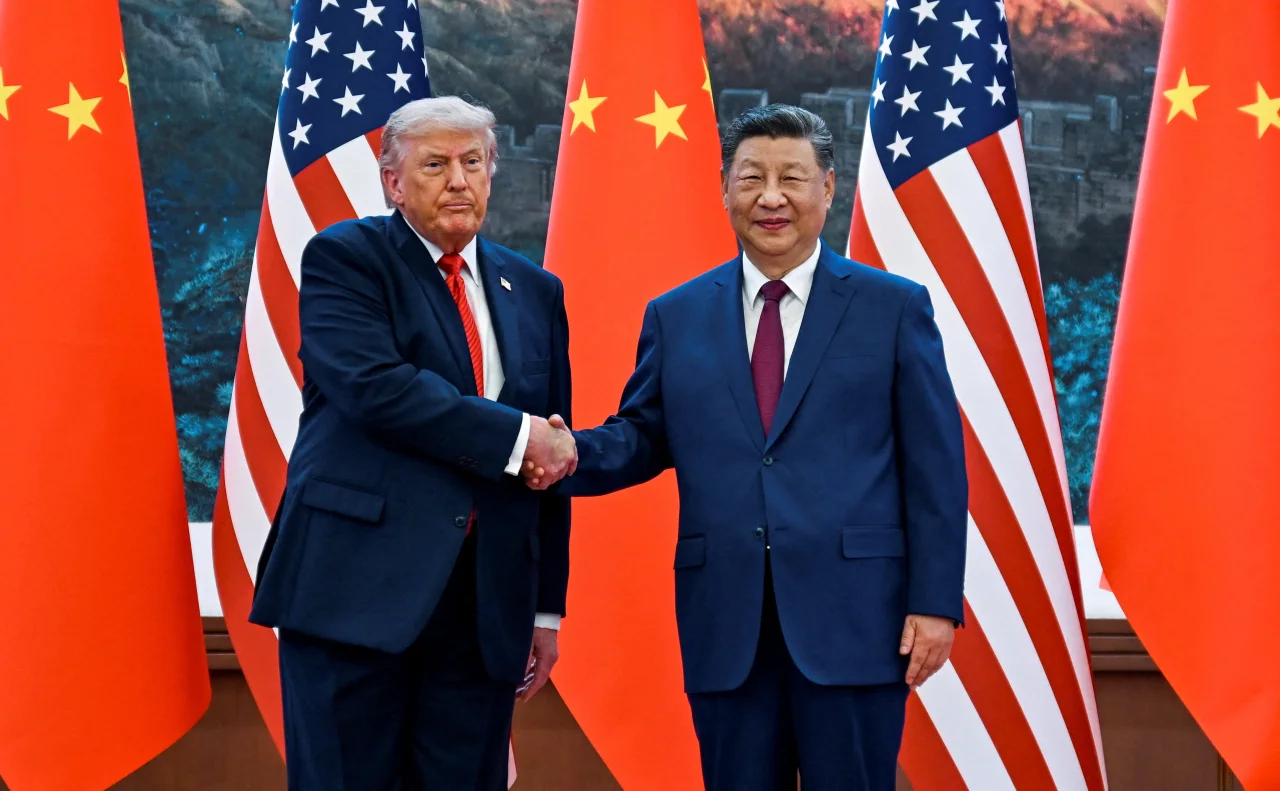

Trump’s Beijing Triumph: America First Diplomacy Delivers a Masterclass in Economic Leverage
By Hotspotnews
In a bold display of presidential strength and strategic acumen, President Donald J. Trump arrived in Beijing this week for high-stakes talks with Chinese President Xi Jinping, flanked by a powerhouse delegation of America’s top business leaders. Far from the weak-kneed concessions of previous administrations, Trump is playing hardball—demanding full reciprocity in trade, investment, and market access while putting American workers and innovation first.
According to reports circulating from the summit, Trump made it crystal clear to Xi: the days of China ripping off the United States are over. He personally brought titans of industry—including Elon Musk of Tesla and SpaceX, Apple’s Tim Cook, and Nvidia’s Jensen Huang—straight to the negotiating table. This wasn’t just diplomacy; it was a united front of American enterprise standing shoulder-to-shoulder with the President to enforce fair deals. No more one-way streets where China floods our markets with cheap goods while locking American companies out of theirs. Trump’s message was simple and unapologetic: reciprocity or consequences.
This approach embodies the America First agenda that propelled Trump back to the White House. For decades, Washington insiders watched as China stole intellectual property, manipulated currency, subsidized state-owned industries, and eroded U.S. manufacturing. Globalist policies under prior leaders left American factories shuttered and communities hollowed out. Trump is reversing that damage with the same toughness he showed in his first term—imposing tariffs that forced China to the table and delivering historic trade wins.
The presence of these CEOs isn’t symbolism; it’s leverage. Musk, whose companies are at the forefront of electric vehicles, space technology, and AI, represents the future of American ingenuity. Cook and Huang bring the clout of tech giants whose innovations power the world but have too often been disadvantaged by Beijing’s unfair practices. By including them, Trump is signaling that U.S. policy will protect and promote our economic champions, not sacrifice them on the altar of cheap globalism.
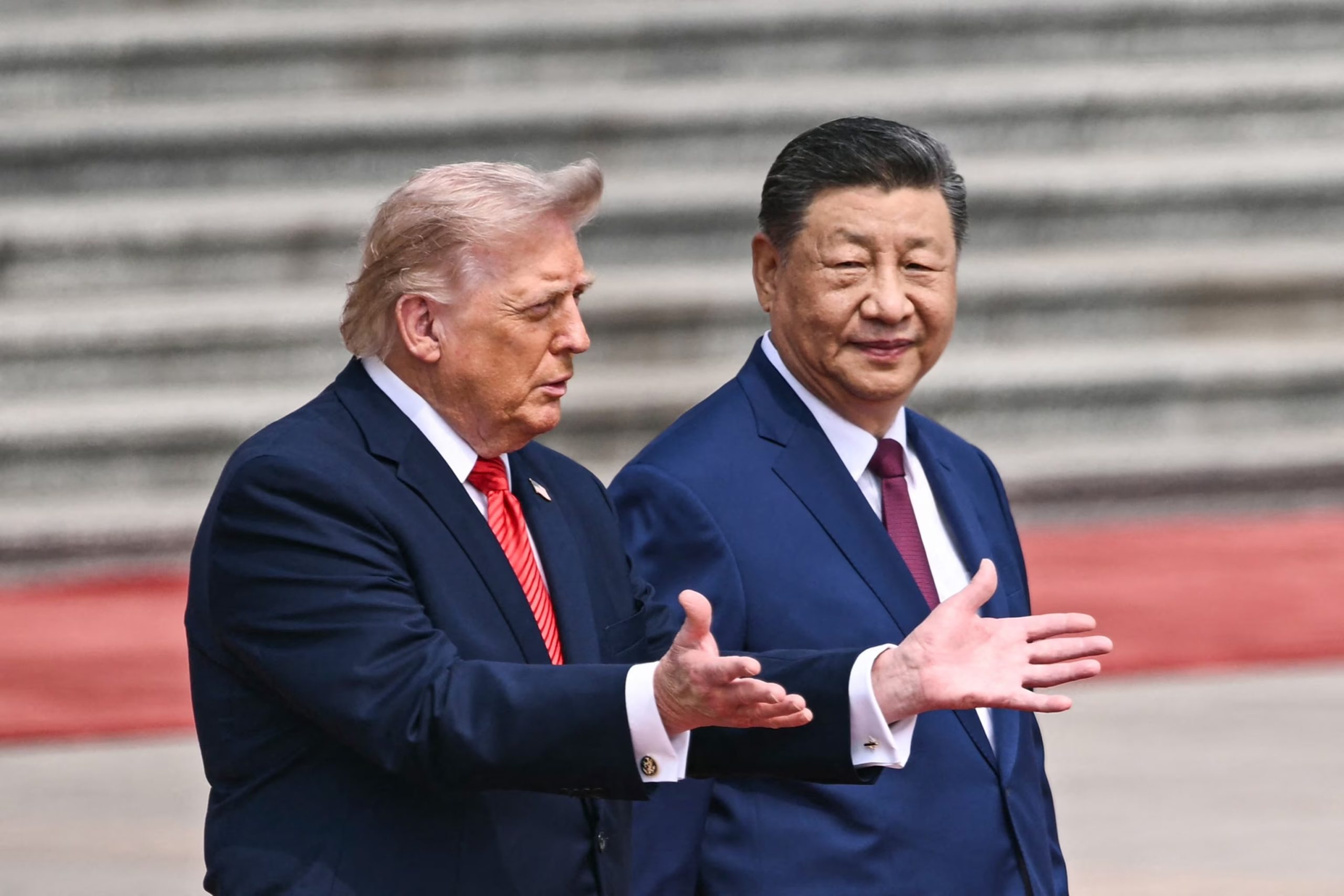 Critics on the left will no doubt clutch their pearls, whining about “confrontation” or “risking relations.” But Americans know better. Trump’s track record proves that strength earns respect. His first-term tariffs and Phase One deal extracted billions in Chinese agricultural purchases and commitments to reform—promises Beijing only honored when pressure stayed on. Now, with issues like Taiwan tensions, supply chain vulnerabilities, and Iran’s destabilizing activities on the agenda, Trump is linking economic talks to broader national security.
Early indications from the summit suggest progress on key fronts: commitments to reduce non-tariff barriers, open markets for U.S. exports, and address intellectual property theft. While details are still emerging, the tone is clear—China is feeling the heat from a resurgent America that refuses to be the world’s doormat.
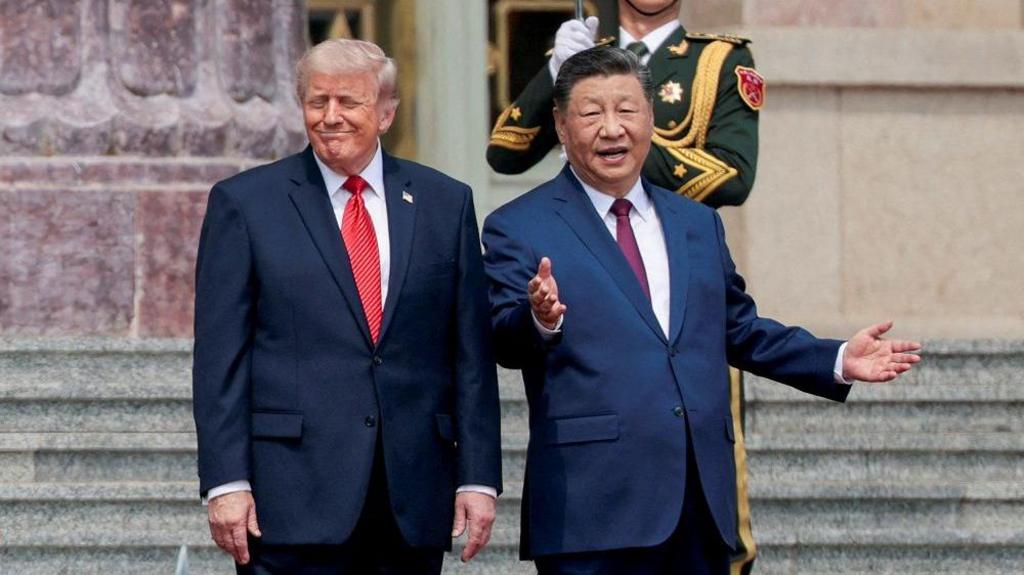 President Trump’s Beijing visit is more than a meeting; it’s a statement that the era of American decline is finished. By marshaling our greatest economic assets and refusing to bend, he is securing better deals for farmers, factory workers, tech innovators, and families across the heartland. This is leadership that puts America first—and the results speak for themselves.
The contrast couldn’t be starker with the previous administration’s feckless engagement that emboldened Beijing at every turn. Under Trump, America is back—stronger, prouder, and winning again on the world stage.
Photos Associated Press