

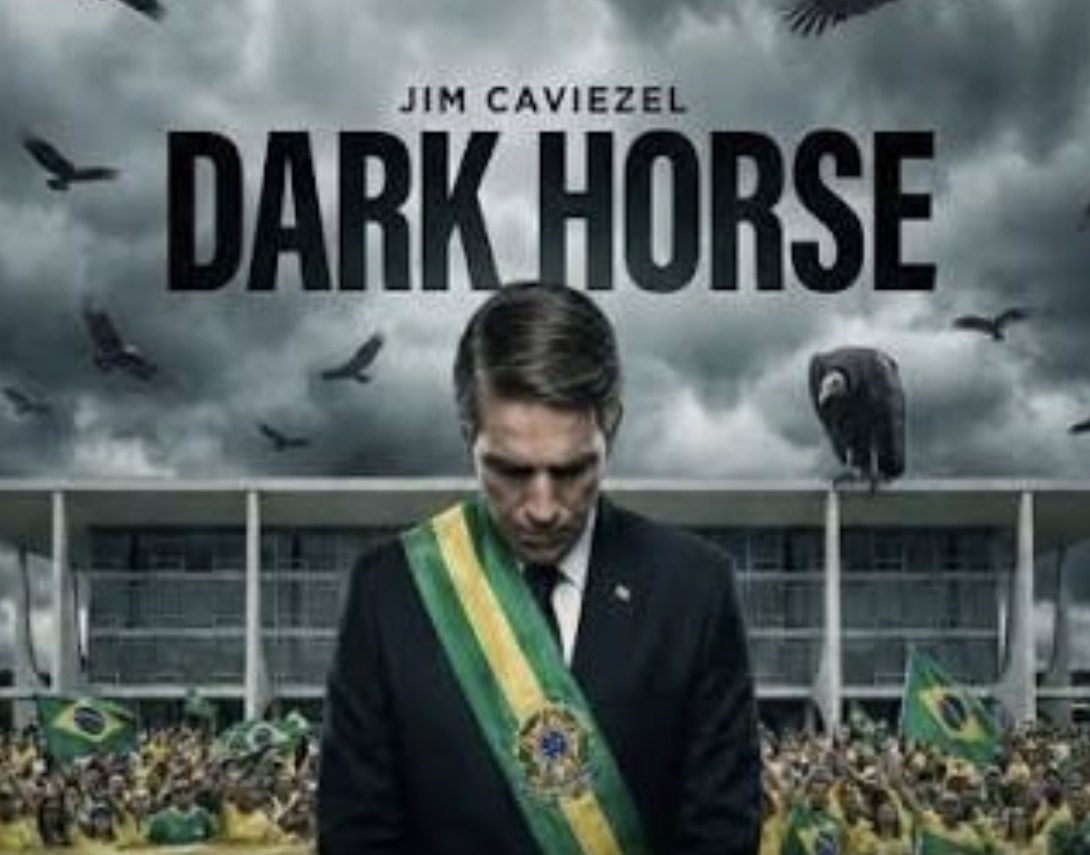

Bolsonaro Biopic ‘Dark Horse’ Advances as Purely Private Production, Defying Leftist Smears
By Hotspotnews
In a refreshing display of private enterprise and cultural resilience, the upcoming film Dark Horse—a Hollywood-caliber biographical drama chronicling the life and leadership of former Brazilian President Jair Bolsonaro—continues to move forward despite relentless political attacks from the Brazilian left.
Mário Frias, the film’s executive producer and former Secretary of Culture under the Bolsonaro administration, issued a detailed public statement addressing recent controversies. Frias made clear that the project is funded entirely through private investment, with no public resources or questionable ties involved. He specifically refuted claims of improper involvement by Senator Flávio Bolsonaro, noting that the senator’s role was limited to ceding family image rights and lending his name to help attract legitimate private backers—hardly the scandal the opposition has tried to manufacture.
Frias also firmly denied any participation by investor Daniel Vorcaro, putting to rest another line of partisan speculation. The statement underscores a core truth: Dark Horse represents a genuine, market-driven effort to tell the story of one of Brazil’s most consequential conservative leaders on his own terms, free from government interference or leftist gatekeepers in the arts.
This approach stands in stark contrast to the state-funded cultural projects often favored by Brazil’s left, which have frequently promoted ideological agendas at taxpayer expense. Bolsonaro’s tenure as president was marked by a commitment to reducing government bloat, defending traditional values, and prioritizing national sovereignty—principles that Dark Horse aims to capture through a compelling narrative of his journey from military officer to populist champion who challenged the establishment.
Critics on the socialist side have predictably weaponized the project as another avenue to harass the Bolsonaro family, recycling tired narratives in an apparent attempt to distract from their own policy failures and the ongoing struggles of everyday Brazilians under more “progressive” governance. Yet as Frias emphasized, the film is on track for release in the coming months, backed by serious private capital and a determination to reach audiences both in Brazil and internationally.
For conservatives who value free speech, family legacy, and unapologetic patriotism, Dark Horse offers a welcome counter to the dominant cultural narratives that have long skewed left. Jair Bolsonaro’s record—strong economic reforms, anti-corruption efforts, and a steadfast defense of Brazilian identity—deserves honest portrayal, not caricature. In an era where cultural institutions too often serve as echo chambers for globalist elites, a privately financed film like this is a bold step toward reclaiming the storytelling space.
As production wraps up, expect the left to intensify its opposition. But if Dark Horse delivers on its promise, it may not only honor Bolsonaro’s legacy but also inspire a new wave of conservative cultural confidence across Latin America and beyond. The silent majority that propelled Bolsonaro to power in 2018 is still watching—and rooting for stories that reflect their values.