


Conservative Analysis: The Bolsonaro Push Against Brazilian Cartels and Lula’s Alleged Obstruction
By Hotspotnews
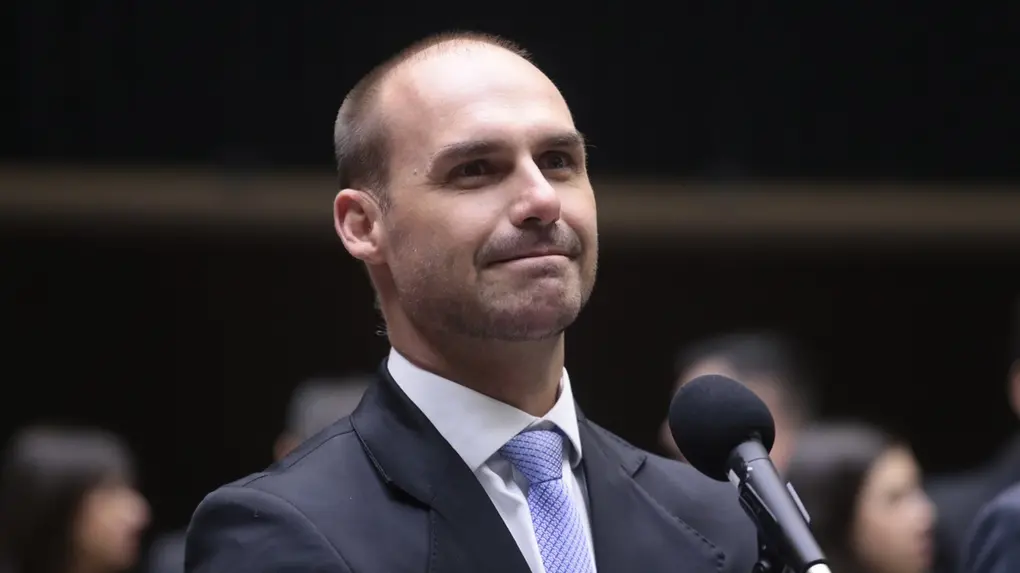
This video clip from Eduardo Bolsonaro underscores a critical national security issue that conservatives have long emphasized: the deadly nexus between powerful drug cartels, corrupt or ideologically compromised governments, and the flow of narcotics that destabilize societies and kill Americans. The Bolsonaro family’s outreach to the Trump administration and figures like Marco Rubio represents a proactive, sovereignty-first approach to combating narcoterrorism—something sorely missing under left-leaning regimes in Latin America.
At its core, the proposal to designate Brazil’s dominant factions like the Primeiro Comando da Capital (PCC) and Comando Vermelho as narcoterrorist organizations is common-sense escalation. These groups aren’t mere street gangs; they operate with military-grade tactics, control vast smuggling routes, and generate billions that fuel violence, money laundering, and even political influence. Conservatives recognize that treating them solely as criminal enterprises under standard law enforcement ignores their terror-like methods—beheadings, territorial control, and alliances that threaten U.S. borders through fentanyl precursors and human trafficking. Designating them formally would unlock enhanced tools: asset freezes, travel bans, intelligence sharing, and targeted sanctions, much like those used effectively against ISIS or other hybrid threats. Flávio Bolsonaro’s reported meetings signal a welcome return to Trump-era realism, where America prioritizes alliances with leaders who actually fight cartels rather than appease them.
The contrast with Lula da Silva’s government is stark and troubling. Allegations that Lula lobbied Washington against this designation fit a familiar pattern of leftist governance in the region: soft-on-crime policies wrapped in “social justice” rhetoric, often enabling the very chaos they claim to solve. Brazil under Lula has faced accusations of weakened anti-corruption efforts, tolerance for criminal networks, and alignment with globalist forums that downplay border enforcement. Protecting cartels—whether through inaction or active interference—directly endangers Brazilian citizens, regional stability, and American communities hammered by overdose deaths. This isn’t partnership; it’s complicity in a hemispheric threat. Conservatives have warned for years that socialist experiments in Latin America create power vacuums filled by narco-actors, exporting instability northward.
The “Shields of America” initiative mentioned highlights a broader strategic vision: insulating the U.S. and its partners from left-wing ideological capture of institutions that facilitate trafficking. Under Trump, such efforts aligned with maximum pressure on cartels, wall construction, and Remain in Mexico policies that reduced crossings and drug inflows. A second Trump term could amplify this by conditioning aid and cooperation on verifiable results against designated groups, rejecting the Obama-Biden era’s emphasis on root causes and multilateral talk shops that achieve little.
This episode reveals deeper truths about ideological divides. Right-leaning leaders like the Bolsonaros prioritize law, order, and national self-defense, viewing cartels as enemies to be dismantled, not negotiated with via half-measures. Leftist counterparts too often subordinate security to political solidarity or economic redistribution narratives that ignore human costs. For U.S. conservatives, the takeaway is clear: support foreign counterparts who share our resolve on borders and drugs, reject entanglements with unreliable actors, and treat narcoterrorism as the hybrid warfare it is. Failure to act decisively invites more American deaths and eroded sovereignty across the Americas. The Bolsonaros’ initiative is a reminder that real leadership confronts evil directly, rather than managing its symptoms.