


Lula’s Government Backs Down in Bold Bid to Politicize Brazil’s Federal Police and Supreme Court
By Hotspotnews
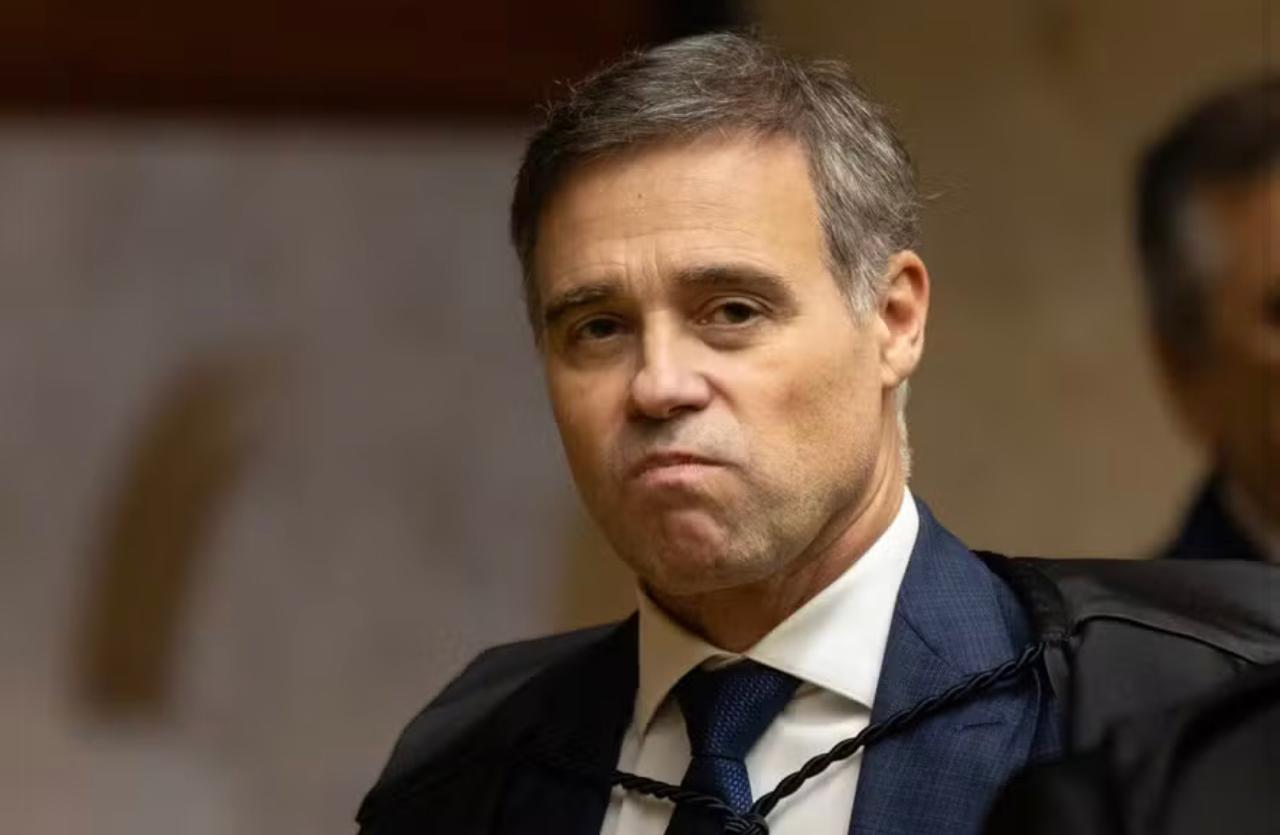
In a striking admission of overreach, the administration of President Luiz Inácio Lula da Silva has quietly abandoned its effort to yank Federal Police delegates from the cabinets of Supreme Federal Court (STF) ministers. The retreat follows firm resistance from Justice André Mendonça, who made clear that such political meddling would not be tolerated and could even amount to obstruction of justice.
The episode began earlier this year when Lula’s Ministry of Justice issued formal orders recalling dozens of Federal Police officers temporarily assigned (“cedidos”) to other federal agencies, state governments, and even the judiciary. Officially billed as a move to bolster the fight against organized crime, the directive quickly raised alarms. Among those targeted were delegates embedded in the 77777,,,STF—officers supporting critical investigations that could reach into the heart of power in Brasília.
Particularly sensitive was the situation surrounding Minister André Mendonça. A Bolsonaro-era appointee known for his commitment to constitutional limits and law-and-order principles, Mendonça has been overseeing high-profile probes, including the “Master” case involving alleged irregularities at Banco Master and suspicious INSS social security deductions. For a government long accused of shielding allies from scrutiny, the timing of these recall orders appeared less about public security and more about neutralizing inconvenient oversight.
Mendonça’s response was unequivocal. He reportedly sent a direct message to the Planalto Palace: political interference in judicial work would not stand. Facing the prospect of open confrontation with a sitting Supreme Court minister—and the inevitable backlash over threats to institutional independence—the government blinked. Exceptions were carved out for delegates assisting Mendonça, Alexandre de Moraes, and Luiz Fux. The order to reclaim officers from the STF was effectively shelved.
This is not mere bureaucratic housekeeping. It is the latest chapter in a troubling pattern under Lula’s PT-led coalition: an executive branch eager to bend independent institutions to its will. From repeated attempts to influence appointments and operations within the Federal Police to broader pressures on accountability mechanisms, the left-wing government has shown a consistent discomfort with checks on its power.
Conservatives in Brazil have long warned that concentrating authority in Brasília—especially when paired with an activist judiciary that sometimes blurs the lines between branches—erodes the separation of powers. Here, the executive tried to pull the very investigators working inside the judiciary. The message was unmistakable: investigations that might embarrass the administration or its allies must be slowed or redirected. Only principled pushback from within the STF prevented a more overt politicization of law enforcement.
The episode also highlights the value of judicial appointments made during the previous administration. Ministers like André Mendonça serve as a bulwark for due process and institutional integrity, refusing to allow the Federal Police to become an extension of whichever party holds the presidency. In contrast, Lula’s allies have often treated the PF as a political instrument—deploying it aggressively against opponents while shielding friends.
As Brazil navigates economic challenges, rising crime in many regions, and persistent corruption scandals, citizens deserve a Federal Police focused on real threats, not serving as pawns in power struggles. They deserve a Supreme Court that guards its independence rather than becoming entangled in executive gamesmanship.
Lula’s partial retreat is a small victory for institutional normality. But it should serve as a warning. Governments that test the boundaries of power rarely stop at the first sign of resistance. True conservatives will continue pressing for reforms that strengthen accountability, limit executive overreach, and ensure law enforcement serves the Brazilian people—not any political project.
The rule of law must remain above partisan convenience. Anything less threatens the democratic framework millions of Brazilians fought to build and defend.