

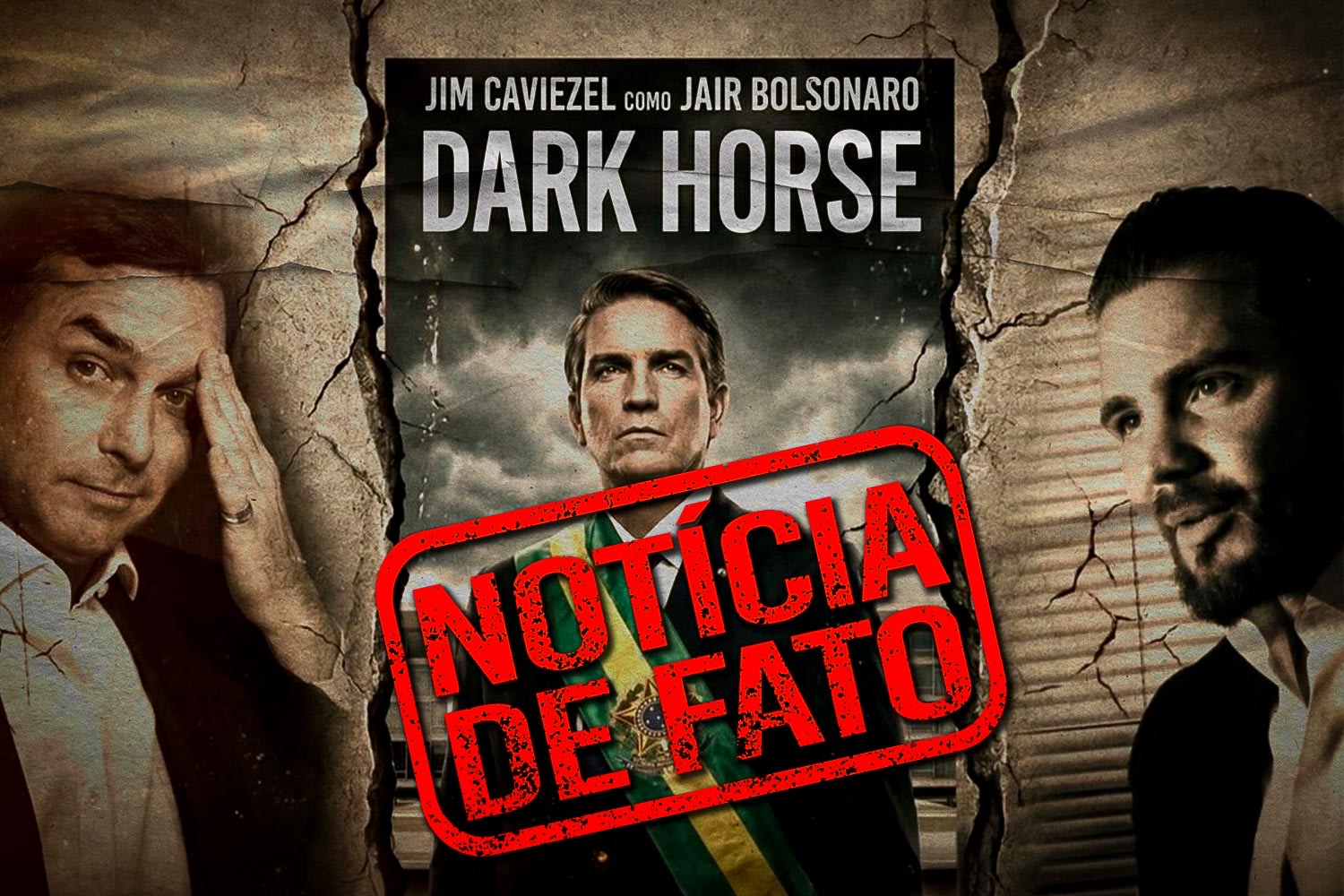

PGR Moves to Shield Bolsonaro Family from Moraes’ Overreach in “Dark Horse” Funding Probe
By Hotspotnews
In a significant development that could restore a measure of fairness to Brazil’s embattled judicial system, Attorney General Paulo Gonet has recommended that a politically motivated criminal complaint targeting former President Jair Bolsonaro and his sons be reassigned from activist Minister Alexandre de Moraes to Minister André Mendonça at the Supreme Federal Court (STF).
The complaint, filed by PT deputy Lindbergh Farias, alleges irregularities in the private financing of the upcoming biographical film Dark Horse, which portrays Bolsonaro’s life and stars Jim Caviezel. Farias and his allies in the left-wing establishment claim the funding—sourced from banker Daniel Vorcaro of the now-liquidated Banco Master—may have been diverted for personal or political purposes. Yet this latest maneuver reeks of the selective lawfare that has long plagued conservative voices in Brazil.
Gonet’s position is straightforward and procedural: the facts in this “notícia-crime” overlap with existing investigations into Banco Master and Vorcaro already under Mendonça’s oversight. Consolidating related cases under the doctrine of “prevenção” avoids contradictory rulings and duplication of effort. This is basic judicial hygiene, not favoritism.
For months, Moraes has positioned himself as the central inquisitor against anything Bolsonaro-related. His pattern is well-documented: expansive interpretations of the law, aggressive censorship, and a willingness to stretch procedural rules to target political opponents. Many on the right view him as an unelected power center undermining democracy under the guise of defending it. Moving this case away from his desk represents a rare check on that concentration of authority.
Legitimate Private Investment, Not a Scandal
The Dark Horse project is exactly what it claims to be: a private, market-driven effort to tell the story of one of Brazil’s most consequential political figures. Supporters argue that seeking sponsorship from Brazilian businessmen for a film celebrating conservative values and national sovereignty is not criminal—it’s normal in a free society. Hollywood does it constantly for left-leaning causes without facing STF investigations.
The real scandal lies in the weaponization of the justice system. While billions in public funds flow to partisan projects, NGOs, and cultural propaganda aligned with the current regime, any private money touching conservative initiatives triggers immediate scrutiny. Vorcaro’s bank faced its own troubles, but linking every transaction to a grand conspiracy against the Bolsonaros demands far more evidence than partisan complaints have provided.
Flávio Bolsonaro has maintained that negotiations were for legitimate sponsorship. Eduardo Bolsonaro’s activities abroad, including advocacy for international scrutiny of Brazilian institutions, fall under protected political speech—not “coaction” warranting criminal probes. Jair Bolsonaro himself remains a potent symbol of resistance to the establishment, which explains why every avenue—from elections to cinema—is contested so fiercely.
A Small Victory for Due Process
André Mendonça, appointed by Bolsonaro during his presidency, brings a different judicial philosophy to the table—one more attuned to original constitutional principles and less prone to judicial activism. His handling of the broader Banco Master matters makes him the logical choice.
Whether STF President Edson Fachin will approve the reassignment remains to be seen. The court has too often prioritized political outcomes over strict legality. But Gonet’s recommendation is a welcome signal that not every institution has fully surrendered to the politicized machine.
This episode underscores a deeper truth: Brazil’s right must continue fighting for judicial reform, limits on ministerial powers, and an end to the two-tiered justice that treats left-wing activism as protected speech while criminalizing conservative enterprise and expression. The Dark Horse saga is not just about a movie—it’s about whether private citizens can fund cultural projects without fear of retaliation from those who control the levers of state power.
The left’s panic over a Bolsonaro biopic reveals their insecurity. Truth and public memory are powerful forces. No amount of lawfare can erase them.