

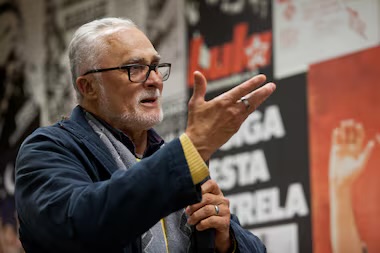

The Genoino Confession: PT Insider Exposes the Rot at the Heart of Lula’s Empire
By Hotspotnews
In a moment of startling candor that left-wing media desperately tried to downplay, José Genoino—former PT president and one of the party’s founding ideologues—dropped a bombshell on TV 247. Facing the growing Banco Master scandal, Genoino openly admitted that the Workers’ Party in Bahia had maintained a “promiscuous relationship” with shady banker Daniel Vorcaro. Yes, “promiscuous.” The very word chosen by a lifelong PT stalwart to describe the cozy, backroom dealings between his comrades and a figure now at the center of one of Brazil’s largest banking fraud investigations.
This wasn’t some opposition hit piece. It came straight from the horse’s mouth. Genoino didn’t stop there. He urged Senator Jaques Wagner—Lula’s trusted Senate leader and longtime Bahia power broker—to step aside from his government role to shield President Lula from the political firestorm. In plain language, even the PT old guard recognizes that the scandal is toxic enough to threaten the man at the top.
For conservatives who have long warned about the PT’s culture of cronyism, this is vindication. The “promiscuous” ties weren’t abstract. Vorcaro’s Banco Master allegedly funneled influence, secured favorable public contracts, and benefited from legislative tweaks like the so-called “Emenda Master” that expanded guarantees at taxpayer expense. Federal Police operations have already raided homes and offices linked to Wagner and other Bahia PT figures. Luxury assets, bribes, and influence peddling—the familiar script of Brazilian political corruption plays on.
And then there’s Lula himself. While not charged with direct involvement in the fraud, the president hosted Vorcaro in an off-the-books meeting at the Palácio do Planalto. Guido Mantega, Lula’s former finance minister, reportedly played fixer. These are not random encounters. They reflect an administration where access to power is traded like currency among insiders, while ordinary Brazilians foot the bill through inflation, instability, and eroded public services.
The Decay of Trust Accelerates
This scandal is not isolated. It lands atop a mountain of broken promises and ethical failures that have defined Lula’s third term. From inflation squeezing the poor he claims to champion, to judicial overreach shielding allies, to foreign policy missteps that isolate Brazil on the world stage—the public’s patience is wearing thin. Polls already show eroding approval ratings, and revelations like Genoino’s only pour gasoline on the fire.
What makes this particularly damaging is the hypocrisy. For years, PT leaders lectured the country about “ethics” and “combating corruption,” positioning themselves as moral superiors to the center-right. Yet here we are: a senior PT voice admitting the party’s regional machine operated in ethically questionable intimacy with financial operators under investigation. The “it’s just a few bad apples” defense is wearing thinner than ever. Brazilians remember Lava Jato. They remember the Mensalão. The pattern is clear—power centralizes, standards erode, and accountability evaporates for those inside the circle.
The consequences are already unfolding. Wagner’s position as government leader in the Senate grows untenable, weakening Lula’s legislative agenda at a critical time. Internal PT tensions surface as old guard figures like Genoino signal damage control. More importantly, everyday citizens—especially in the Northeast, long a PT stronghold—see the disconnect between rhetoric about “the people” and the reality of elite protection networks.
Trust in institutions doesn’t collapse overnight, but scandals like Banco Master chip away relentlessly. When even PT insiders acknowledge “promiscuous” dealings, the average Brazilian rightly asks: If this is what they admit to, what else are they hiding? Lula’s administration, once buoyed by nostalgia for past economic stability, now projects fatigue, defensiveness, and detachment from the public it governs.
Brazil deserves better than recycled machines of patronage dressed up as progressivism. Genoino’s interview wasn’t just a slip—it was a window into a decaying project that prioritizes insider alliances over national integrity. As investigations deepen, the true cost of this eroded trust will become impossible to ignore. The question is whether the Brazilian people will demand real change before another cycle of scandal and impunity repeats itself.