


Lula’s Inner Circle Crumbles: Jaques Wagner’s Scandals Expose PT’s Enduring Corruption Problem
By Hotspotnews
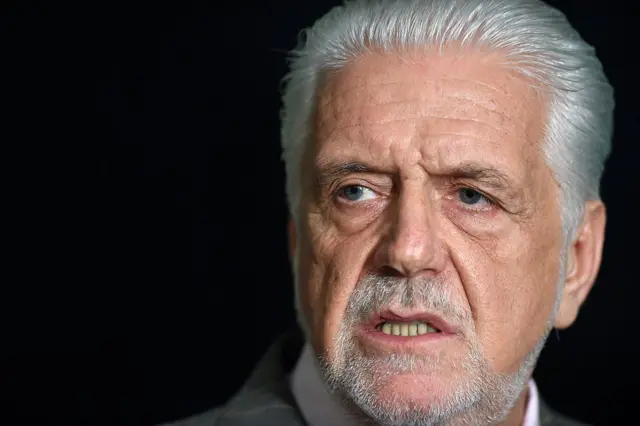
In the latest chapter of Brazil’s seemingly endless saga of political graft, Senator Jaques Wagner—President Lula da Silva’s government leader in the Senate and one of the Workers’ Party’s most seasoned operators—finds himself squarely in the crosshairs of a major federal investigation. Far from an isolated incident, the developments in “Caso Master” reveal a familiar pattern: influential PT figures entangled with private interests, lavish benefits, and aggressive legal maneuvers to shield themselves from accountability.
On June 18, federal police executed searches tied to the ninth phase of Operação Compliance Zero, targeting Wagner and associates linked to Banco Master and financier Daniel Vorcaro. Investigators allege the senator received substantial undue advantages, including a high-value apartment in Salvador reportedly worth around R$2.5 million, regular access to private jets, and routing of payments through companies connected to his family. These benefits, authorities claim, came in exchange for legislative favors involving banking regulations, payroll loans, and oversight of the institution’s activities—arrangements dating back to Wagner’s time as governor of Bahia.
Wagner has denied any wrongdoing, insisting all relations were proper and properly declared. Yet the timing and scope of the operation speak volumes. This is not some vague probe; it involves concrete assets, documented movements, and connections that reach deep into government and congressional influence peddling. The case implicates not just one senator but a network that has long blurred the lines between public service and private gain.
True to form, the response from Wagner’s camp has been swift and procedural. On June 22, his defense filed an appeal with the Supreme Federal Court (STF), seeking to annul the authorization for the searches granted by Minister André Mendonça. The filing argues technical flaws in the decision, disputes any direct legislative action favoring the bank, and claims seized foreign currency stemmed from legitimate sources like official per diems. Such maneuvers are standard in Brazil’s high-stakes corruption cases, where powerful defendants often bet on sympathetic courts, procedural delays, or political pressure to stall momentum.
What makes this particularly damning is the broader context. The PT rose to power in the 2000s promising ethics and social justice, only to deliver Mensalão and then the colossal Petrobras scandal under Lava Jato. Many of the same figures who decried those investigations as “lawfare” when they targeted their allies now occupy senior roles. Wagner, a longtime Lula confidant, embodies this continuity. His position as Senate leader while under active scrutiny undermines any government attempt to distance itself from the scandal. Reports suggest internal discussions in the Planalto Palace about replacing him, signaling the political damage is real and growing.
Critics rightly point out the selective outrage. When similar allegations hit opponents, PT leaders and aligned media frame them as attacks on democracy. Yet when the trail leads back to their own ranks—complete with luxury perks amid widespread economic struggles for ordinary Brazilians—the narrative shifts to defense and conspiracy. This Caso Master investigation, spanning multiple parties and figures, underscores a systemic issue: influence peddling thrives when accountability is weak and institutions are politicized.
Brazilian voters have every reason to demand consistency. Conservative principles of limited government, transparency, and equal application of the law stand in stark contrast to this revolving door of scandals. If the evidence holds, Wagner’s case should proceed without favoritism, regardless of party affiliation. The rule of law cannot bend for those in power if Brazil is to move beyond the cycle of corruption that has plagued it for decades.
As the STF weighs the appeal and investigators push forward, the public watches closely. True reform requires more than rhetoric—it demands institutions that prioritize merit, integrity, and service over entrenched political machines. For now, the Master case serves as another reminder that power, when unchecked, corrupts across the spectrum, but especially those who claim moral superiority while repeating old habits.