


The Real Truth in Nicaragua: Ortega Kills Elections, Purges Lawyers, and the Left Looks Away
By Hotspotnews
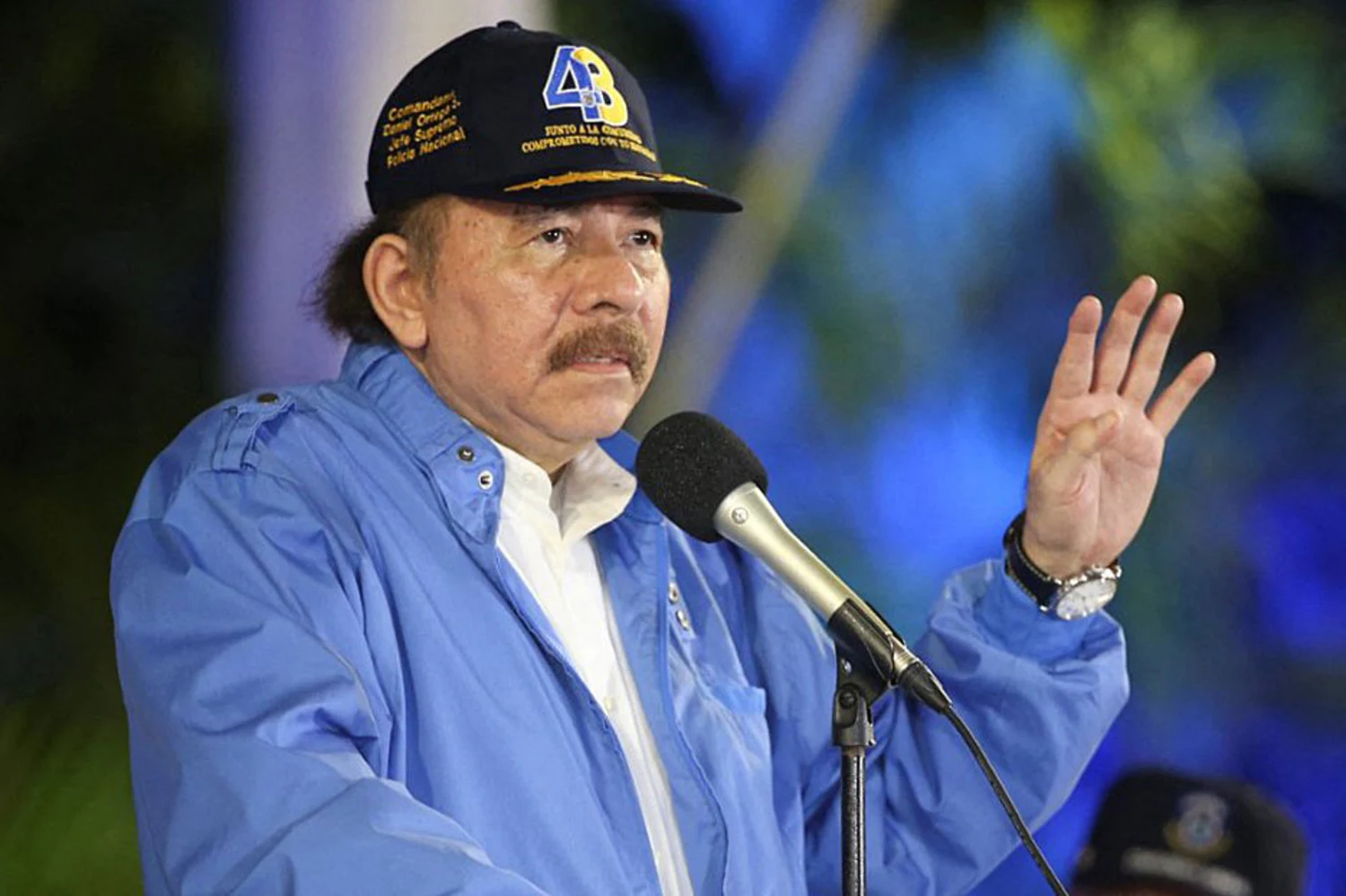
Daniel Ortega has ruled Nicaragua for nearly two decades, turning what was once a contested Central American republic into a family dictatorship shared with his wife, Rosario Murillo. In July 2026 he dropped the pretense entirely. During celebrations of the Sandinista Revolution, the 80-year-old strongman declared there would be “no more elections” so the opposition could never again try to “seize the government.” The next scheduled vote—already delayed—was effectively cancelled. His rubber-stamp legislature is now moving to abolish competitive elections altogether.
This was not an isolated outburst. It followed years of methodical repression: opposition candidates jailed or barred, independent media shuttered, NGOs dissolved, universities brought to heel, and citizenship stripped from critics. The announcement simply made official what practice had already established—power is no longer subject to the voters.
Around the same time, the regime conducted a quieter but equally devastating assault on the last independent institution capable of checking arbitrary power: the legal profession. In early July 2026, the Supreme Court registry began deleting lawyers’ names without notice, hearing, or explanation. Estimates from judicial sources, affected practitioners, and exile media put the number at roughly 2,000 lawyers and notaries—hundreds if not thousands, according to UN human-rights experts. Reed Brody of the UN Group of Human Rights Experts on Nicaragua called it a “purge of the legal profession.” Licenses vanished from the official database overnight. Practitioners inside the country and in exile discovered they could no longer file briefs, notarize documents, or represent clients. No due process. No appeal. Just a delete key.
This is how soft totalitarianism works in the 21st century. First the NGOs and the press. Then the universities and the churches. Then the lawyers who might still file an amparo or challenge an arbitrary detention. Families lose the ability to contest state abuse. The rule of law becomes a memory.
Brazilian social-media posts and commentary have correctly linked these events to the broader network of Latin American leftists. Ortega has long been part of the Foro de São Paulo orbit that includes Luiz Inácio Lula da Silva. That association is not imaginary. While democratic governments and human-rights organizations have condemned the latest moves, many on the Latin American left treat Ortega with a mixture of silence, euphemism, or “nuance.” The same voices that routinely denounce “authoritarianism” and “threats to democracy” when the target is a right-of-center leader find elaborate reasons to look the other way when the perpetrator flies the red-and-black Sandinista flag.
The facts are not complicated. A long-ruling regime announced the end of elections and simultaneously stripped a large share of the country’s lawyers of their ability to practice. That is the dismantling of both popular sovereignty and the independent bar. Calling every single lawyer “cassado” may be rhetorical exaggeration, and the precise sequence of the two measures is sometimes reversed in viral posts. But the substance is accurate and damning.
Conservatives who value limited government, free elections, and the rule of law should state the truth without apology: this is dictatorship consolidating itself in plain sight. The silence or soft-pedaling from parts of the international left reveals more about their priorities than any number of press releases about democracy. Power, once seized and insulated from accountability, is rarely surrendered voluntarily. Nicaragua under Ortega and Murillo is the current case study.