

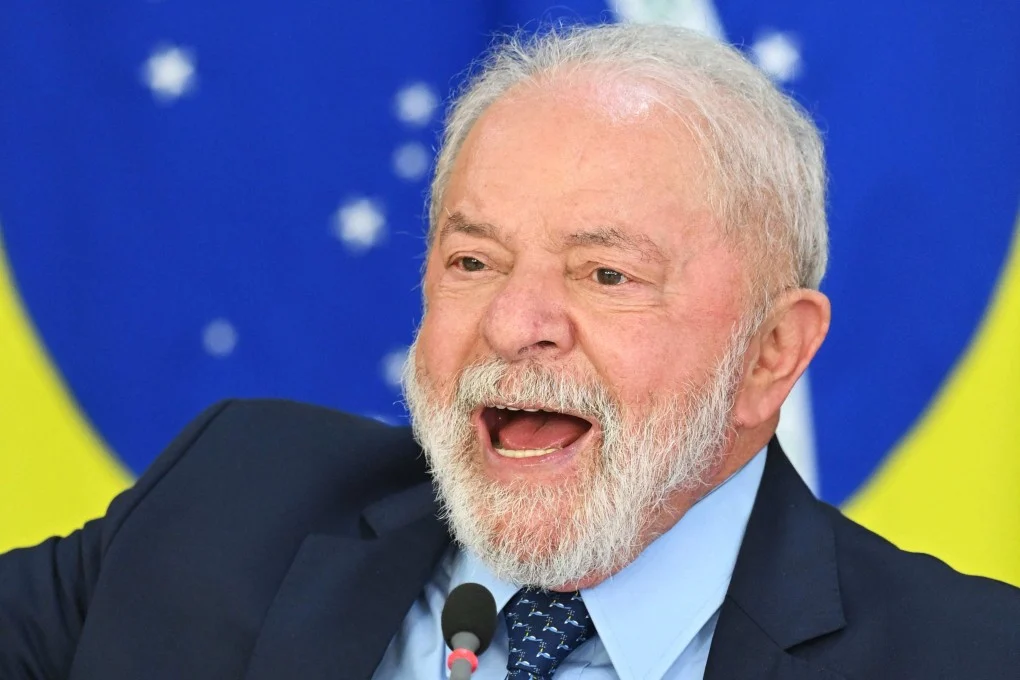

Malu Gaspar Exposes the Empty Promises of Lula’s Fourth-Term Pitch
In a moment of rare candor from Brazil’s mainstream media, GloboNews commentator Malu Gaspar delivered a clear-eyed assessment of President Luiz Inácio Lula da Silva’s latest speech launching his bid for an unprecedented fourth term. Her analysis cuts through the familiar rhetoric and reveals what many Brazilians already sense: this is not a program of renewal, but an attempt to paper over two decades of unfinished business and mounting fatigue.
Gaspar described the speech as an exercise designed “to mitigate the material fatigue of Lula’s candidacy.” In plain terms, after three presidencies, the same promises are being recycled. Issues that remained unresolved across prior mandates are now being offered as the justification for yet another term. When a leader who has already held power for the equivalent of three full administrations claims that only a fourth will finally deliver results, voters are entitled to skepticism.
The pattern is familiar. Grand commitments on education, the elderly, defense, and social programs are restated with theatrical urgency. Yet the practical record shows persistent challenges in public security, fiscal discipline, and institutional trust. Recycling the same talking points does not erase the accumulated weight of years in office; it underscores it. Political “material fatigue” is not an invention of the opposition—it is the natural consequence of longevity without transformative results.
Particularly revealing was Gaspar’s observation that Lula’s references to Finance Minister Fernando Haddad appeared to position him as a potential successor. This is not succession planning rooted in broad democratic renewal. It is the internal logic of a political machine that treats the presidency as a permanent possession of one faction rather than a temporary trust from the Brazilian people. After years of alternating between Lula and his chosen continuity figures, the country risks treating power as an inheritance rather than a competitive contest of ideas and performance.
A conservative perspective starts from a simple principle: power should be limited, accountable, and regularly tested. Endless terms and recycled agendas erode that principle. Brazilians have watched the same coalition return with the same language while structural problems—crime in the cities, pressure on public finances, and polarization—persist. Promising that the next term will finally fix what the previous ones did not is not vision; it is the definition of diminishing returns.
Gaspar’s commentary is valuable precisely because it comes from a mainstream platform not known for reflexive opposition. When even careful observers note that the speech seeks to manage weariness rather than confront it, the public should take notice. The question facing voters is not whether Lula can still deliver a polished address. It is whether Brazil can afford another cycle of the same unfulfilled commitments under the same leadership.
Accountability requires more than applause lines. It requires results that match the rhetoric after years of opportunity. Until those results appear, the fatigue Gaspar identified will only grow—and rightly so.