


Brazil’s Handshake With Tehran Is Not Neutral Diplomacy
By Hotspotnews
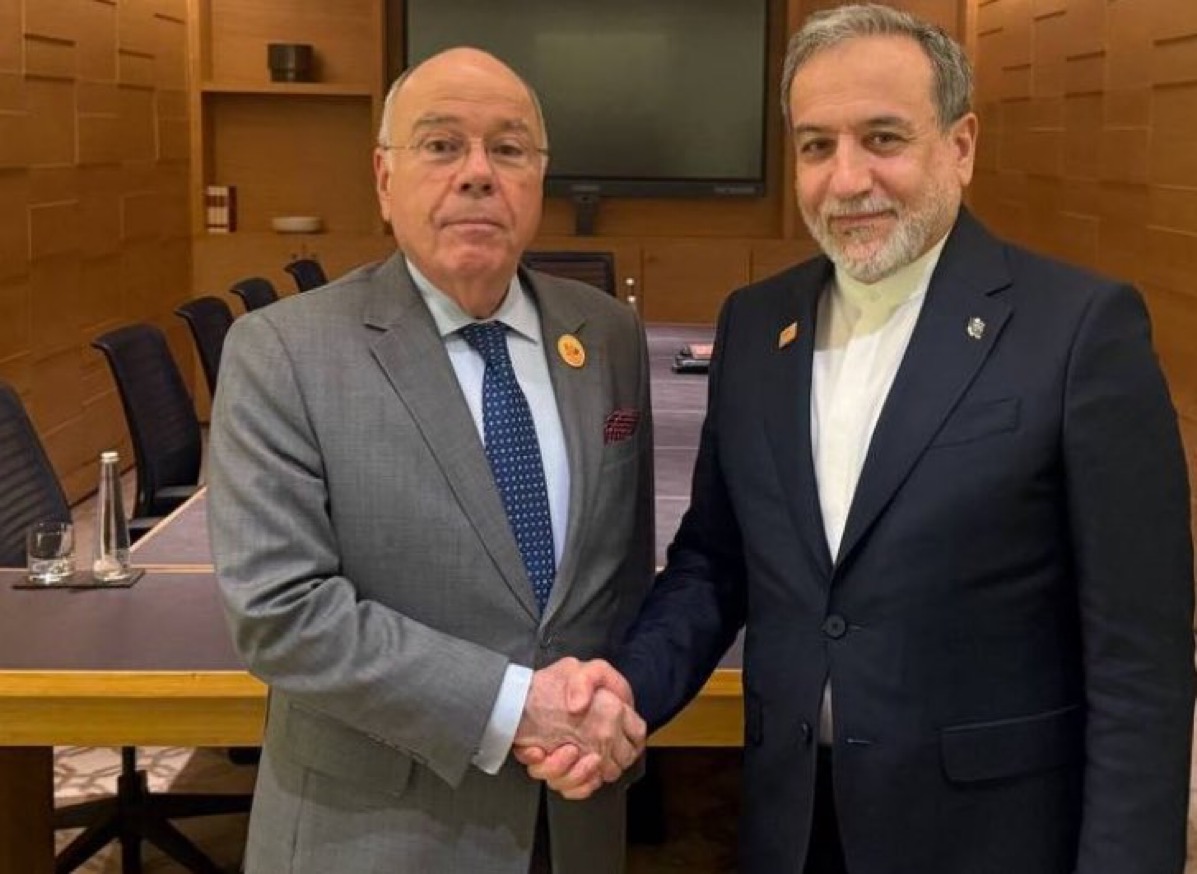
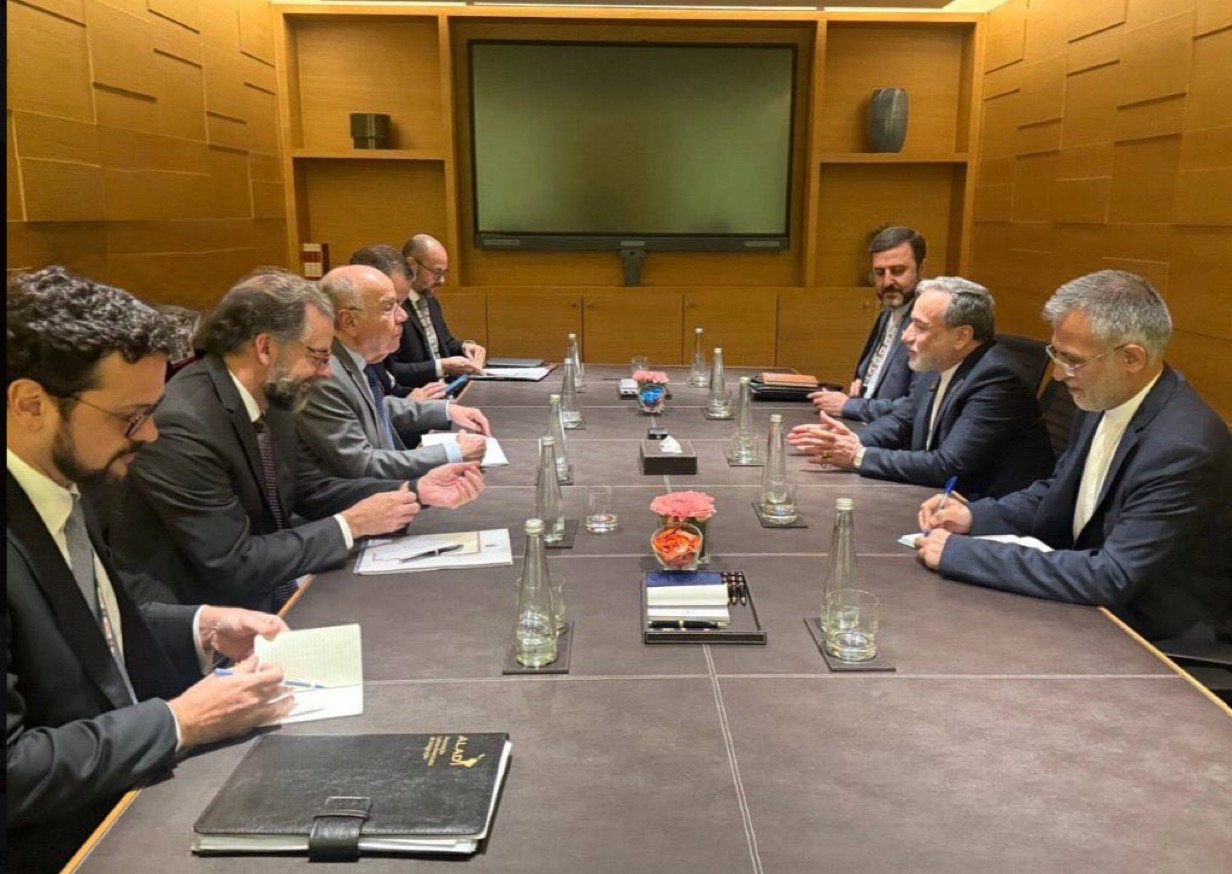
When Brazilian Foreign Minister Mauro Vieira clasped hands with Iran’s Seyed Abbas Araghchi in New Delhi on September 12, the photograph was presented as routine BRICS business. It was not. It was a public signal that Brasília still treats the Islamic Republic as a normal partner while that government hangs opponents, polices women, and sits across from a United States that is at war with it.
Ordinary Brazilians noticed. Replies to the first reports of the meeting were blunt: the country is already in a hole, and the government keeps digging toward the wrong side of history. That reaction is not fringe noise. It is the common-sense view that a republic has no business offering photo-ops to a theocracy that executes political prisoners and protesters. Rights monitors recorded hundreds of hangings in Iran in 2026, including women and people seized in street uprisings. Trials are short. Confessions are extracted. Compulsory morality rules for women remain the law. Those facts do not disappear because two ministers sit at a polished table in India.
The timing makes the gesture sharper. The United States and Israel struck Iran in February. President Trump has said he does not regret the campaign and would repeat it. BRICS then issued a communiqué urging restraint in the Middle East and criticizing tariffs and sanctions without naming Washington. Trump has already warned that countries lining up with what he calls anti-American BRICS policies can expect extra tariffs. Brazil’s own foreign minister has said the United States is irritated because Brasília will not bow to American demands. Meeting Iran’s top diplomat on that stage is not a secret cable. It is a choice made in public.
The meeting in New Delhi was not only protocol. Iran is still trying to get into the New Development Bank, the BRICS lender Dilma Rousseff runs. In August she sat down in Jaipur with Iran’s central bank chief. Tehran said she stressed Iran’s importance and that talks would continue on membership and access to bank facilities. At the Delhi summit, Abbas Araghchi said consultations were still underway to clear “obstacles created by certain countries.” President Pezeshkian asked the bank to become the main engine for infrastructure and energy loans in local currencies. Iran is in BRICS. It is not yet a shareholder of the bank. No public loan has been approved. The bid is live.
Brazilian officials insist BRICS is not an anti-American club, only a forum of the Global South. That line is convenient. Engagement can be justified as mediation or trade. It can also function as cover. A government that condemns lethal force against Iranian protesters at the UN one month and poses with Tehran’s foreign minister the next is practicing selective principle. Sovereignty of the Iranian people is a fine slogan. It does not require a handshake—or a path to development loans—that the regime will broadcast as legitimacy.
Citizens who reject that handshake are not asking Brazil to start a war. They are asking their government to stop treating a dictatorial system as just another networking opportunity. Trade in soy and diplomatic courtesy are not the same as moral equivalence. A country that claims to stand for democracy at home should not shrug when another country jails and kills people for opposing the state.
Washington’s pressure on Brazil—tariffs, public irritation, threats aimed at the BRICS project—is real. So is Brasília’s decision to keep the Iran channel open anyway. Call it multipolar strategy if you like. Call it defiance if you prefer the plainer word. Either way, the photograph from New Delhi, and the unfinished bid for bank money, tell Brazilian voters and the Trump administration the same thing: this government will talk to Tehran whether critics like it or not.
#Brazil #Iran #BRICS #MauroVieira #Araghchi #Trump #HumanRights #ForeignPolicy #Lula #Tehran
Sources: Mehr News Agency reporting on the New Delhi meeting; Bloomberg and Reuters coverage of the BRICS summit and joint statement; Iran Human Rights (IHRNGO) execution tallies for 2026; Human Rights Watch World Report 2026, Iran chapter; Hengaw and WNCRI documentation of women’s executions and protest deaths; Gazeta do Povo interview with Mauro Vieira on U.S. tariffs; CNN Brasil interview with Vieira on BRICS; Trump remarks to Fox News on the Iran war; earlier Itamaraty and UN Human Rights Council statements by Brazil on Iranian protests.