

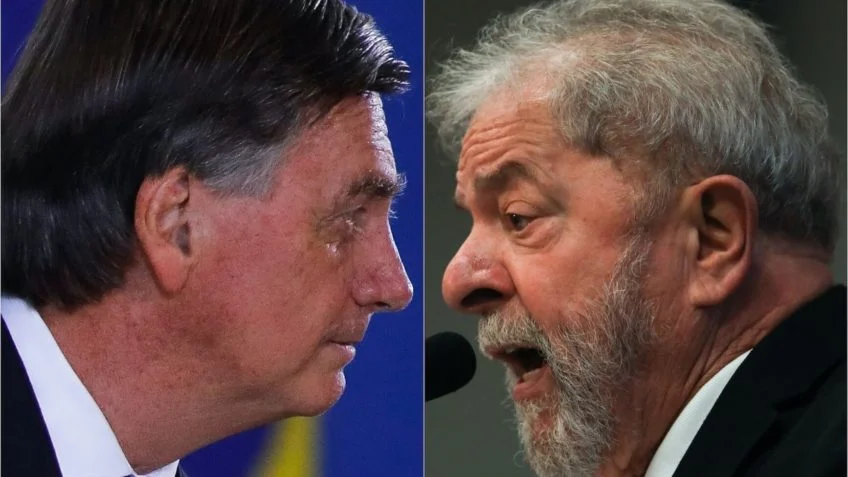

The Double Standard at the UN: When Incumbency Becomes Campaign Advantage
By Hotspotnews
President Luiz Inácio Lula da Silva will deliver the opening address at the 81st United Nations General Assembly this week, just days before Brazil’s first-round presidential vote. Reports from his own aides confirm the speech will mix traditional diplomatic themes with pointed messages on national sovereignty and rejection of foreign interference in Brazilian elections. The timing is no coincidence. The address occurs while Lula is actively campaigning for re-election against Senator Flávio Bolsonaro.
This is not merely a head of state performing an official duty. It is an incumbent using a global platform unavailable to any other candidate to shape the domestic narrative 12 days before voters go to the polls.
Contrast this with 2022. Then-President Jair Bolsonaro also spoke at the UN General Assembly. The Superior Electoral Court promptly barred his campaign from using footage or excerpts of that speech in electoral propaganda. The TSE ruled that allowing it would violate isonomy — the principle of equal conditions among candidates — because the event is an official prerogative of the sitting president, inaccessible to challengers. The court ordered removal of related campaign materials under threat of fines.
The same logic applied to Bolsonaro’s remarks at the Brazilian embassy in London around the same time. Those images, too, were prohibited from campaign use.
Today the situation is reversed. Lula’s team has signaled the speech will carry domestic political weight. Yet there is no comparable rush from electoral authorities to impose the same restrictions that were applied four years ago. The Liberal Party has been urged to file an action at the TSE seeking “parity of arms.” That request is not radical. It simply asks that the rules applied to one president be applied to the next.
Bolsonaro himself remains ineligible until 2030 following TSE convictions for abuse of political power. His son now carries the opposition banner. The institutional contrast could not be clearer: an incumbent enjoys the prestige and visibility of the UN podium while the previous president was denied even the right to reuse his own official remarks.
Brazilian electoral law exists to prevent the machinery of the state from becoming an extension of one campaign. When the same official platform is treated as off-limits for one candidate and a legitimate communications tool for another, the appearance of even-handed justice evaporates. Voters notice these inconsistencies. They undermine confidence that the contest is being refereed by the same standard for every side.
If the TSE’s 2022 reasoning was sound, it remains sound in 2026. Parity of arms is not a partisan slogan. It is the minimum requirement of a fair election.
Sources: Reuters reporting on Lula’s planned UN remarks (September 2026); TSE plenary decisions and minister Benedito Gonçalves’ rulings from September 2022 regarding Bolsonaro’s UN and London speeches; contemporaneous coverage from G1, Estadão, and JOTA on the 2022 prohibitions.
#Eleicoes2026 #ParidadeDeArmas #TSE #LulaONU #IsonomiaEleitoral #Brasil2026