


Alcolumbre’s Reelection Threatens to Bury Major Scandals, Vieira Warns
By Hotspotnews
Vieira’s claims, delivered in a radio interview and repeated in other statements, link three major problems. The first is the long-running INSS fraud scheme in which billions of reais were allegedly diverted from retirees and pensioners through unauthorized association discounts. Federal Police operations have targeted operators such as Antônio Carlos Camilo Antunes, known as rwee
Alcolumbre’s Reelection Threatens to Bury Major Scandals, Vieira Warns
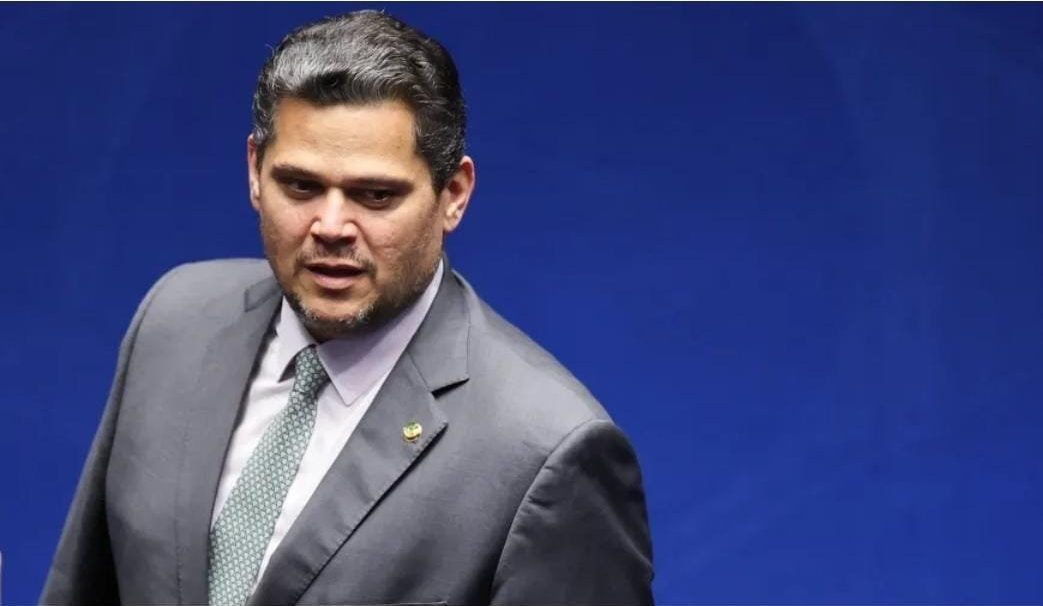
Brazilian Senator Alessandro Vieira has publicly accused Senate President Davi Alcolumbre of serving as the central guarantor of a broad political “mega acordão” in Brasília. According to Vieira, the arrangement aims to shield powerful figures across the executive, legislative, and judicial branches from deeper scrutiny into interconnected scandals involving the INSS social security system, Banco Master, and the misuse of parliamentary amendments. He has stated that the outcome of the Senate presidency election on February 1, 2027, will determine whether these investigations advance or stall.
Vieira’s claims, delivered in a radio interview and repeated in other statements, link three major problems. The first is the long-running INSS fraud scheme in which billions of reais were allegedly diverted from retirees and pensioners through unauthorized association discounts. Federal Police operations have targeted operators such as Antônio Carlos Camilo Antunaes, known as the “Careca do INSS.” Witness testimony and financial records have drawn investigators toward Fábio Luís Lula da Silva, the president’s eldest son commonly called Lulinha. Allegations include substantial payments, European travel paid by the lobbyist, and intermediation efforts for government contracts, particularly in the health sector. Bank and fiscal secrecy orders were approved by both a mixed congressional inquiry and Supreme Court ministers, and multiple inquiries remain open. These remain active investigations rather than final court findings.
The second front is the collapse of Banco Master, controlled by Daniel Vorcaro. The Central Bank ordered its liquidation after detecting large-scale irregularities. Federal Police reports later detailed messages, meetings, and multimillion-real contracts connecting Vorcaro to Supreme Court justices, including Alexandre de Moraes (via a substantial arrangement with the law firm of his wife) and Dias Toffoli. Mentions of other ministers have also surfaced. The case has produced estimated losses in the tens of billions of reais and exposed how a relatively obscure banker cultivated access across institutions.
The third element involves irregularities in parliamentary amendments, the discretionary budget items that legislators direct to projects. These have long been criticized as vehicles for clientelism and, in some cases, outright diversion. Vieira argues that the three scandals reinforce one another and that political actors have coordinated to limit exposure.
As Senate president, Alcolumbre controls the calendar for installing commissions of inquiry and advancing impeachment requests against Supreme Court justices. Vieira and other senators have collected signatures for probes into the Master case and related judicial contacts, yet those requests have not moved forward under Alcolumbre. Vieira has publicly declared he will not support Alcolumbre’s reelection and has said that keeping the current president in place would amount to a commitment that no CPIs or impeachment proceedings will proceed. He has framed the February vote as the decisive institutional moment: reelection would close the window for intensified investigation, while a change in leadership—toward candidates such as Rogério Marinho or Tereza Cristina—could reopen it.
This reading aligns with a broader conservative concern in Brazilian politics: that institutional rules designed for accountability are being neutralized through political management rather than transparent confrontation. The INSS scheme directly harmed ordinary retirees. The Master collapse implicated high-level judicial and political relationships. The amendments system has repeatedly shown how public money can be steered for private or partisan benefit. When the same Senate leadership that controls investigative tools is accused of protecting the status quo, the incentive structure favors containment over exposure.
Vieira’s intervention is not an isolated outburst. He has filed requests to summon the Federal Police director and the Justice Minister for explanations about changes in the handling of Master-related reports, including the reassignment of investigators. These moves have faced institutional friction. At the same time, the opposition field for the Senate presidency remains divided between Marinho and Tereza Cristina, a fragmentation that could ease Alcolumbre’s path if not resolved.
The factual core is clear from reporting by outlets including BBC News Brasil, G1, VEJA, CNN Brasil, and Valor Econômico: the INSS and Master cases are large, documented investigations involving powerful actors; Lulinha is under formal inquiry on influence-related allegations; and Alcolumbre has not advanced the CPI requests that Vieira and others have pursued. Whether these facts add up to a coordinated “mega acordão” is Vieira’s interpretation, but the pattern of stalled oversight is observable. For those who prioritize institutional checks on concentrated power, the February 2027 Senate election is not routine internal politics. It is the practical test of whether the investigations continue or are allowed to fade.
#MegaAcordao #INSS #BancoMaster #Alcolumbre #Lulinha #Senado #Corrupcao #Brasil #Accountability #CPMI
Sources: Statements by Senator Alessandro Vieira; Federal Police operations and reports on the INSS and Banco Master cases; reporting by BBC News Brasil, G1, VEJA, CNN Brasil, and Valor Econômico on investigations involving Lulinha, Daniel Vorcaro, and Supreme Court contacts; Senate procedural record regarding CPI requests.
. The amendments system has repeatedly shown how public money can be steered for private or partisan benefit. When the same Senate leadership that controls investigative tools is accused of protecting the status quo, the incentive structure favors containment over exposure.
Vieira’s intervention is not an isolated outburst. He has filed requests to summon the Federal Police director and the Justice Minister for explanations about changes in the handling of Master-related reports, including the reassignment of investigators. These moves have faced institutional friction. At the same time, the opposition field for the Senate presidency remains divided between Marinho and Tereza Cristina, a fragmentation that could ease Alcolumbre’s path if not resolved.
The factual core is clear from reporting by outlets including BBC News Brasil, G1, VEJA, CNN Brasil, and Valor Econômico: the INSS and Master cases are large, documented investigations involving powerful actors; Lulinha is under formal inquiry on influence-related allegations; and Alcolumbre has not advanced the CPI requests that Vieira and others have pursued. Whether these facts add up to a coordinated “mega acordão” is Vieira’s interpretation, but the pattern of stalled oversight is observable. For those who prioritize institutional checks on concentrated power, the February 2027 Senate election is not routine internal politics. It is the practical test of whether the investigations continue or are allowed to fade.
#MegaAcordao #INSS #BancoMaster #Alcolumbre #Lulinha #Senado #Corrupcao #Brasil #Accountability #CPMI
Sources: Statements by Senator Alessandro Vieira; Federal Police operations and reports on the INSS and Banco Master cases; reporting by BBC News Brasil, G1, VEJA, CNN Brasil, and Valor Econômico on investigations involving Lulinha, Daniel Vorcaro, and Supreme Court contacts; Senate procedural record regarding CPI requests.