


The Shifting Center: Putin’s APEC Warning, American Leverage, and Musk’s Industrial Edge
By Hotspotnews
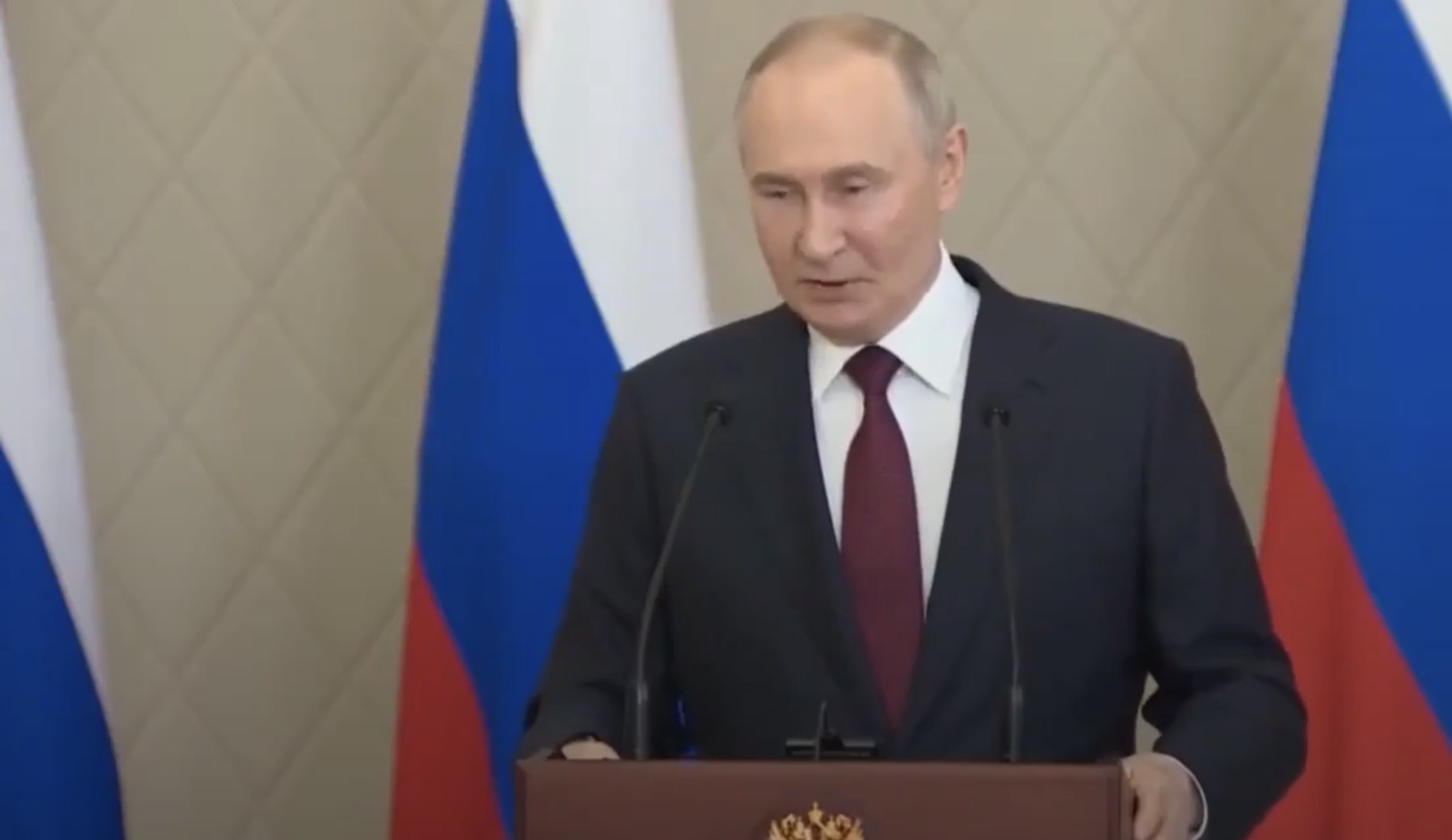
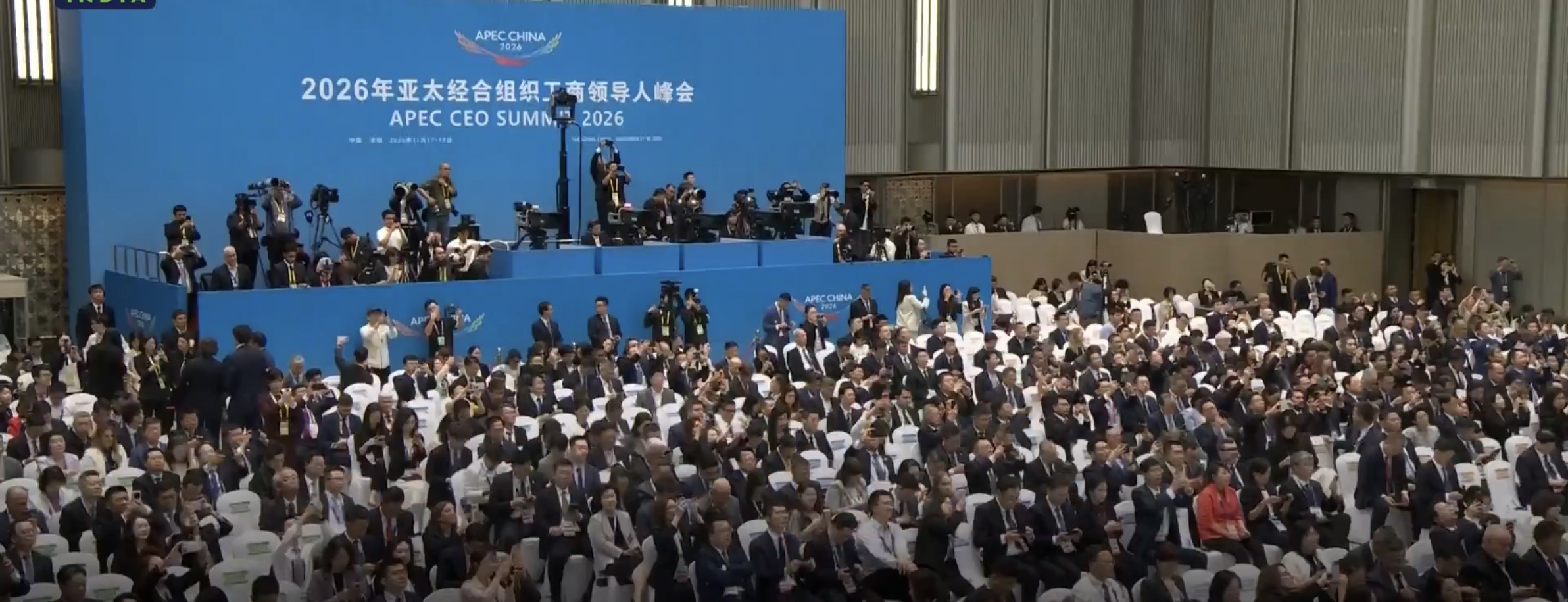
In Shenzhen this week, Russian President Vladimir Putin stood before executives at the APEC CEO Summit and declared that the world’s center of gravity has shifted. He described a “tectonic” reordering of the global economy, noting that Asia-Pacific economies now account for more than 60 percent of global GDP and roughly half of world merchandise trade. Sanctions and tariffs, he argued, can slow growth but no longer halt or destroy economies. The old tools of economic coercion, in his telling, belong to former hegemons.
The setting was deliberate. Putin spoke hours before a planned trilateral meeting with Chinese President Xi Jinping and U.S. President Donald Trump. Xi has used the same stage to defend open trade and warn against unilateral protectionism. Together the two leaders have framed a multipolar order in which Western dominance is treated as a passing phase rather than a permanent feature.
 The economic numbers Putin cites are not invented. APEC members do represent a large share of output and trade. China’s manufacturing scale, combined with faster growth rates across much of Asia, has altered relative weight over decades. Yet the broader claim—that this constitutes a decisive handover of strategic center and the effective end of U.S. influence—overreaches. The United States remains the largest economy by nominal GDP, the dominant source of advanced technology and capital markets, the issuer of the primary reserve currency, and the strongest military power. Asia-Pacific is not a single political actor; it includes U.S. allies whose interests often diverge from Beijing’s or Moscow’s. Russia’s own economy, strained by years of war, depends heavily on Chinese markets.
U.S. responses already underway illustrate the limits of pure economic gravity. Days before the summit, the Commerce Department tightened rules on advanced AI chips, targeting remote access through overseas data centers and imposing new license requirements on shipments to high-risk diversion countries. Tariffs and enforcement against transshipment raise costs for Chinese goods. The Quad has expanded practical work on critical minerals, maritime surveillance, energy security, and trusted AI. Defense planning emphasizes denial along the First Island Chain and greater burden-sharing by allies. Direct engagement at APEC itself is part of the toolkit: negotiate from retained leverage on technology and market access rather than treat relative GDP shifts as irreversible.
Elon Musk enters this picture as both a commercial actor and an informal adviser. He traveled with the U.S. delegation to Shenzhen. Tesla’s manufacturing systems have shown how high-volume production of vehicles, batteries, and energy storage can be scaled efficiently; expanding U.S. capacity in these areas directly addresses industrial competition. SpaceX provides unmatched launch cadence and Starlink connectivity with clear national-security value. xAI and related compute efforts contribute to frontier artificial intelligence. Musk has publicly acknowledged China’s ability to scale once a product is mastered while pointing to harder problems—advanced memory, certain orbital capabilities—as areas where others retain advantages.
These contributions carry constraints. Tesla’s large Shanghai operations and supply-chain exposure create dual incentives; any deeper integration with SpaceX, a major defense contractor, raises regulatory and geopolitical friction precisely because of that footprint. One executive or set of companies cannot replace broader policy choices on export controls, alliances, domestic investment, or fiscal discipline. Musk’s firms can accelerate U.S. strengths in scalable manufacturing, space access, and AI, but outcomes still depend on consistent execution across government, industry, and partners.
Putin’s speech accurately registers a long-running eastward shift in economic weight. It does not establish that other nations must subordinate themselves to China, nor that American tools of technology, finance, military power, and alliance management have expired. The Shenzhen meetings test how far those tools still reach when the three leaders sit down together. Relative shares of GDP will continue to move with growth differentials. Political and technological leadership will be decided by whether the United States and its partners treat the competition as a permanent condition rather than a temporary disruption.
#APEC2026 #Putin #Trump #XiJinping #ElonMusk #Multipolarity #USChina #TechCompetition #IndoPacific #GlobalEconomy
Sources: Reuters reporting on the Shenzhen summit and new AI chip rules; Global Times and official summaries of Putin’s address; CNBC and AP coverage of the trilateral greetings and agenda; National Interest and CSIS analysis of Quad and defense priorities; contemporaneous reporting on Musk’s advisory role and Tesla-SpaceX considerations.