


Brazil’s Railway to Ruin: A Conservative Case Against the China-Brazil-Peru railway Megaproject
Brazil is on a collision course with disaster, forging ahead with a reckless plan to build a transcontinental railway from Peru’s Chinese-controlled Chancay port to our heartland. This so-called Bioceanic Corridor, recently discussed between Planning Minister Simone Tebet and China’s state-owned railway company, threatens our environment, sovereignty, and economic independence. Worse, Brazil can’t even afford it—meaning we’ll likely be shackled to Chinese debt for generations. Conservatives must stand firm against this betrayal of our land, our values, and our future.
The environmental stakes alone should stop this project cold. This railway, even rerouted south to skirt the Amazon, will slash through Brazil’s precious ecosystems, from the Cerrado savanna to the Andes’ foothills. These are God’s creation, entrusted to our care, yet construction risks deforestation, soil erosion, and ruined waterways, much like the devastation from the Belo Monte dam. The Cerrado, a biodiversity hotspot, is already reeling from agribusiness; this project could push it to the brink. Rural communities, who’ve stewarded these lands for centuries, face displacement or lost livelihoods. Brazil’s environmental oversight is notoriously lax—megaprojects often dodge rigorous studies, and “green” promises ring hollow. If funded by Chinese loans eager for quick returns, environmental safeguards will likely be trampled further, leaving scars on our land for generations.
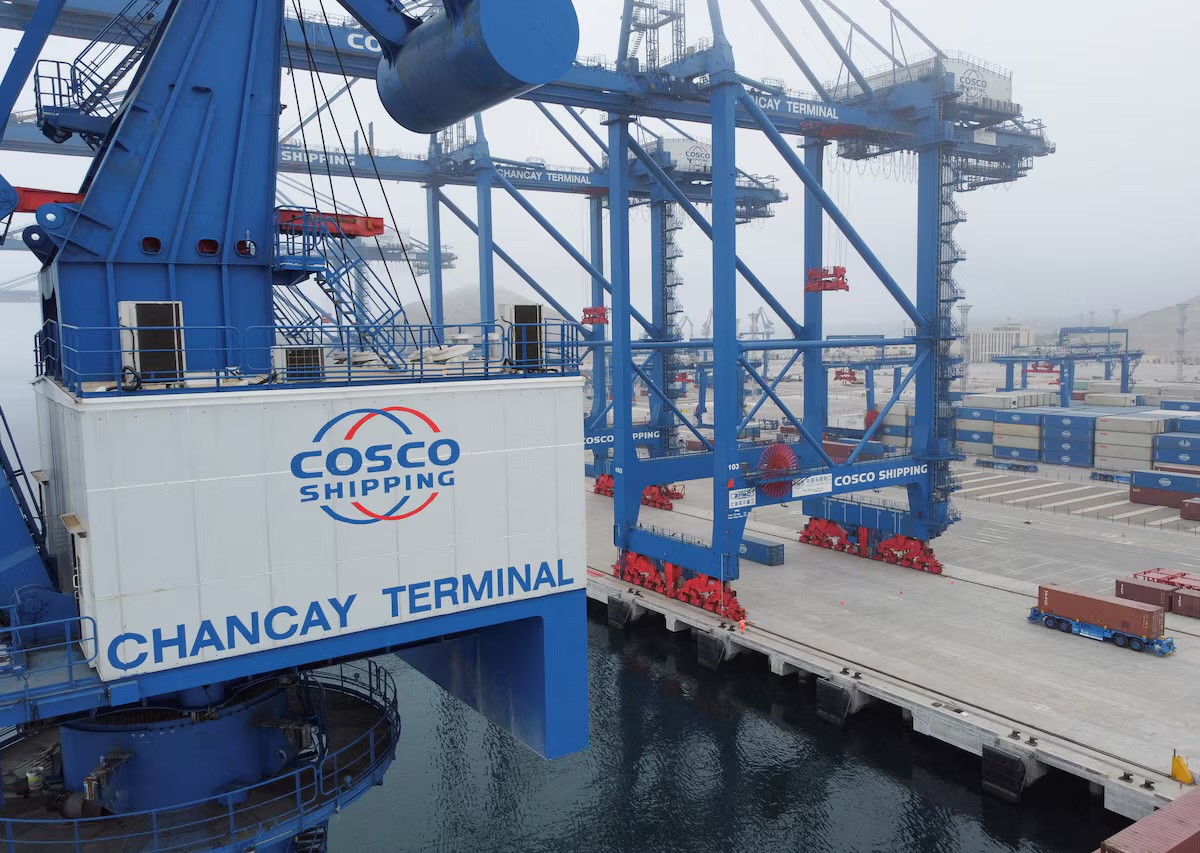
Then there’s the geopolitical trap. This railway is a cog in China’s Belt and Road machine, designed to dominate global trade and bind nations to Beijing’s will. The Chancay port, built by China’s COSCO for $3.5 billion, is a Beijing-controlled hub to funnel Brazil’s soy, beef, and minerals to Asia. Linking it to our interior hands China a chokehold on our economy. Brazil’s $157 billion trade with China in 2022 already makes us a key supplier, but this project could turn us into a vassal state. China’s playbook is clear: in Sri Lanka, unpaid loans led to a 99-year port lease; in Zambia, infrastructure debt crippled the economy. For conservatives who prize national sovereignty, ceding control to a communist regime with a history of human rights abuses and hostility to faith is unthinkable.
The financial picture makes this scheme even more outrageous. Brazil, with public debt nearing 90% of GDP, can’t afford a project likely costing tens of billions—especially when soybean farmers, the backbone of our economy, doubt its value for low-margin exports. The West-East Integration Railway (FIOL), already costing $4 billion, is stretching our budget. Yet, Minister Tebet is cozying up to China, which will likely dangle loans from its state banks to cover the shortfall. These aren’t acts of generosity; they’re debt traps. Brazil already owes China $67 billion, and more borrowing risks locking us into repayment terms that could surrender trade routes, resources, or even policy influence. If we default, China could seize assets, as it did in Sri Lanka. And with Chinese cash comes pressure to rush construction, sidelining environmental protections and leaving our land and people to pay the price. This isn’t fiscal responsibility—it’s a gamble with our children’s future.
What’s the cultural cost? Deepening ties with a regime that suppresses faith and family risks eroding Brazil’s Christian heritage. Rural communities, rooted in tradition, could be uprooted, weakening the values conservatives hold dear. And for what? Proponents claim faster exports to Asia and development for Acre and Tocantins, but megaprojects often enrich elites while leaving locals with crumbs and scarred landscapes. Brazil’s farmers already ship efficiently via Atlantic ports—why mortgage our sovereignty for a railway that mainly serves China’s ambitions? Aligning with Beijing also risks alienating allies like the U.S. and EU, who share our democratic principles and could offer less predatory funding.
Conservatives must rally to stop this railway to ruin. We stand for fiscal prudence, not reckless borrowing that burdens taxpayers and binds us to communists. We champion environmental stewardship, not its sacrifice for foreign profit. We uphold Brazil’s independence, not its subservience to Beijing. Brazil should reject China’s loans and explore sustainable, homegrown infrastructure—perhaps with transparent funding from the U.S., EU, or multilateral banks that respect our values. Let’s demand rigorous environmental studies, ironclad loan terms, and a foreign policy that puts Brazil first.
The clock is ticking. This railway isn’t just a bad deal; it’s a betrayal of our faith, our land, and our freedom. Conservatives must act now to protect Brazil from a future of debt, desks, and
source: Reuters, AP