

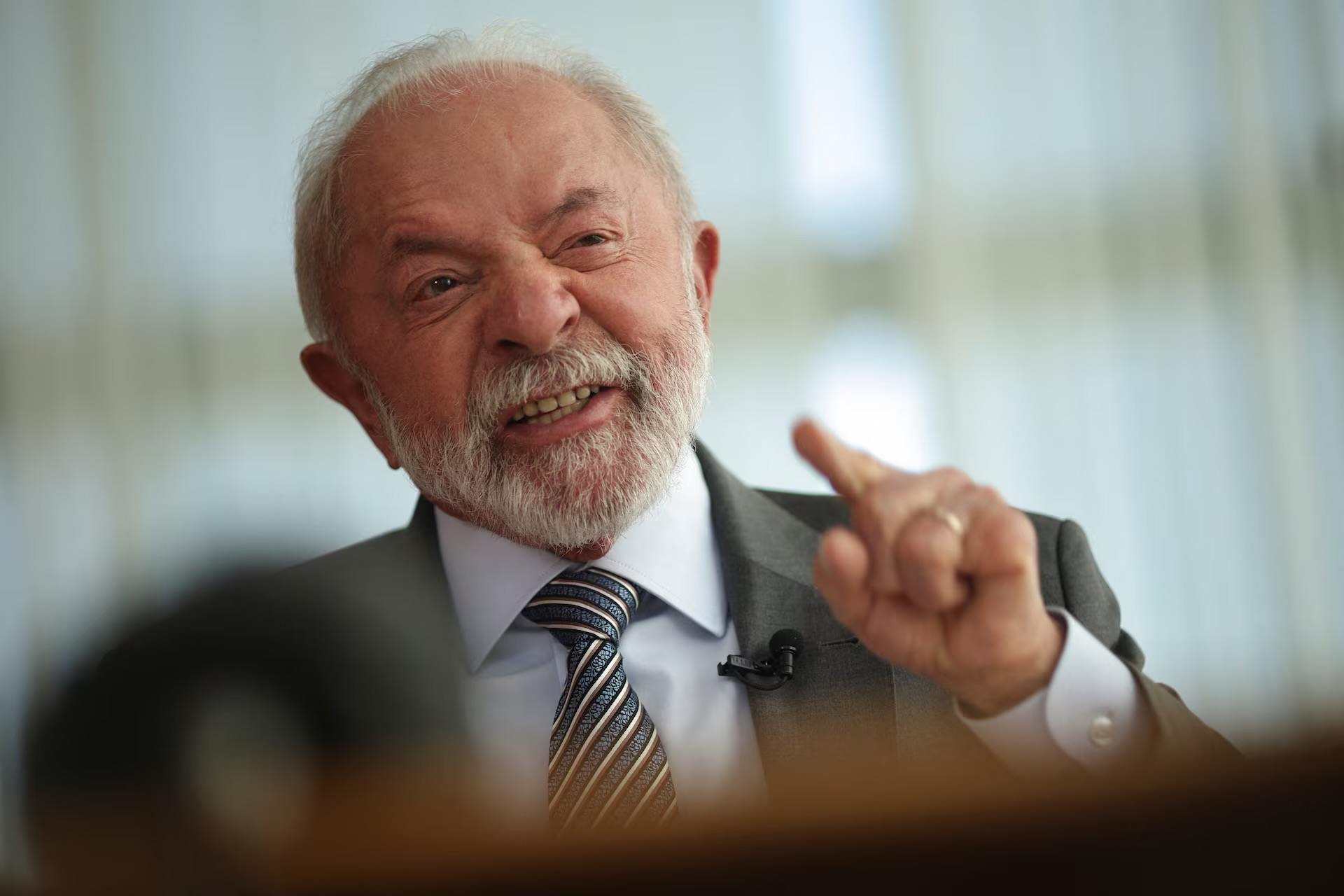

Lula’s Political Maneuvering Amidst CPMI Defeat
By Hotspotorlando News
In the ever-turbulent landscape of Brazilian politics, the recent developments surrounding the CPMI (Mixed Parliamentary Inquiry Commission) on INSS frauds have once again highlighted the precarious balance of power within the Lula administration. The unexpected election of Senator Carlos Viana as the president of the CPMI, overturning the government’s preferred candidate, marks a significant setback for President Lula and his allies. This defeat is not merely a procedural loss but a stark reminder of the fragility of the current administration’s grip on congressional dynamics.
The backdrop to this event is a nation weary of corruption and inefficiency, with recent polls indicating that 51% of Brazilians disapprove of Lula’s government. This discontent is compounded by the ongoing scandal involving frauds within the INSS, Brazil’s social security system, which has already eroded public trust. The CPMI was initially seen as a tool for the government to manage the narrative and perhaps mitigate the damage. However, the opposition’s success in securing a critical leadership position within the commission signals a potential shift towards a more rigorous investigation, one that could expose deeper systemic issues and further challenge the administration.
President Lula’s response to this defeat—convening a meeting with Hugo Motta, the President of the Chamber of Deputies, at the Palácio da Alvorada—underscores a desperate attempt to regain control. This meeting, described as a strategy session to address the insatisfaction and realign congressional support, reveals the extent to which the government feels threatened. From a conservative standpoint, such maneuvers are indicative of a administration more concerned with maintaining power than with addressing the root causes of the issues at hand. The involvement of Gleisi Hoffmann, the Minister of Institutional Relations, in subsequent discussions with congressional leaders further illustrates the administration’s reliance on backroom deals and political maneuvering rather than transparent governance.
The conservative critique here is clear: this is not just about a single commission or a specific scandal. It is about a broader pattern of governance that prioritizes political survival over accountability and reform. The Lula administration’s initial expectation that the CPMI would be a manageable episode, with allies in key positions, has been shattered. This shift towards opposition control within the CPMI could lead to uncomfortable revelations, potentially reigniting national concerns about corruption at a time when the government is already struggling to regain popularity.
Moreover, the conservative perspective would argue that this situation exemplifies the dangers of a political system where personal and party interests often overshadow national interest. The public’s growing disenchantment, as reflected in the disapproval ratings, is a call for a return to principled leadership, one that respects the rule of law and the will of the people. The Lula administration’s response—rushing to consolidate support and influence rather than embracing a thorough investigation—only deepens the perception of a government out of touch with the needs and expectations of the Brazilian populace.
In conclusion, the recent CPMI defeat and the subsequent political maneuvering by Lula and his team are a microcosm of the broader challenges facing Brazil. From a conservative viewpoint, this is a moment that demands not just tactical adjustments but a fundamental reevaluation of governance priorities. The hope is that the opposition’s newfound influence within the CPMI will lead to a more accountable and transparent process, one that ultimately serves the interests of the Brazilian people rather than the political elite. However, the path forward remains uncertain, with the risk that the administration’s efforts to salvage its position could further entrench the very issues it seeks to address.