




Accountability at the Supreme Court: Why the Magnitsky File on Alexandre de Moraes Is Not Closed
By Hotspotnews
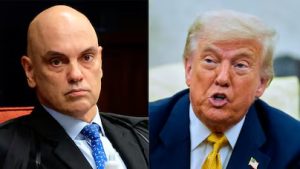
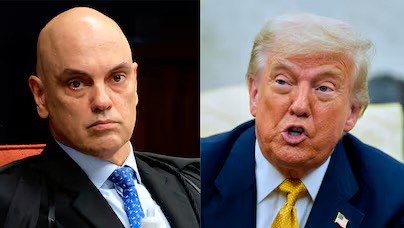
Brazil’s Supreme Federal Court faces a moment of institutional reckoning. Tomorrow’s plenary session will decide whether an investigation into Justice Alexandre de Moraes proceeds or is quietly buried. The timing is not accidental. U.S. officials have already prepared the paperwork to restore Global Magnitsky sanctions against Moraes and potentially other justices. Only a signature stands between the current status and renewed financial isolation.
The original 2025 designations were never withdrawn on the merits. The U.S. Treasury listed Moraes for serious human rights abuses: arbitrary pre-trial detentions that denied basic fair-trial protections and a systematic campaign to suppress speech, including orders targeting American platforms and citizens. His wife and the family-linked Lex Institute were added weeks later for providing material support. In December 2025 those names came off the SDN list. The official reason was not that the conduct had been disproven. It was that maintaining the designations no longer aligned with immediate foreign-policy priorities after a thaw between Washington and Brasília.
That distinction matters. The underlying executive orders and the factual findings remain on the books. The emergency declaration citing judicial overreach was extended. The human-rights designation under Executive Order 13818 was never formally reversed through the process required by statute. What changed was political convenience. Convenience can change again.
A second, independent track now exists. The Federal Police report on messages between Moraes and Daniel Vorcaro, the jailed founder of Banco Master, opened a corruption inquiry. Magnitsky reaches public officials complicit in significant corruption on the basis of credible information; a criminal conviction is not required. The same statute also covers those who provide material support. Precedent already exists: Viviane Barci and the Lex Institute were sanctioned last year precisely on that theory.
Tomorrow the eleven justices will vote in public. Each vote will record whether the court is willing to investigate one of its own or whether it prefers to shield him. Those who vote to archive the matter or request delays that amount to obstruction are not merely protecting a colleague. They are associating themselves with a record the United States has already described as serious human-rights abuse and potential corruption. The Magnitsky statute anticipates exactly this situation: it authorizes sanctions against enablers.
Conservatives have long argued that independent courts are essential to limited government, but independence is not immunity. When a justice accumulates extraordinary investigative and censorship powers, when speech is treated as a crime and political opponents face preventive detention, the check must come from somewhere. If Brazil’s own institutions refuse to apply it, external accountability tools exist for a reason. They were designed for officials who use state power to silence dissent and enrich networks of influence.
The session on September 15 will not merely decide one investigation. It will signal whether Brazil’s highest court still answers to the law or only to itself. Washington is watching. The file is already drafted.
#Magnitsky #STF #AlexandreDeMoraes #Accountability #FreeSpeech #RuleOfLaw #Brazil
Source: Analysis by journalist Paulo Figueiredo, corroborated by contemporaneous reporting on U.S. Treasury designations, the December 2025 delisting rationale, the Federal Police Vorcaro report, and statements from U.S. officials on possible reimposition.


