

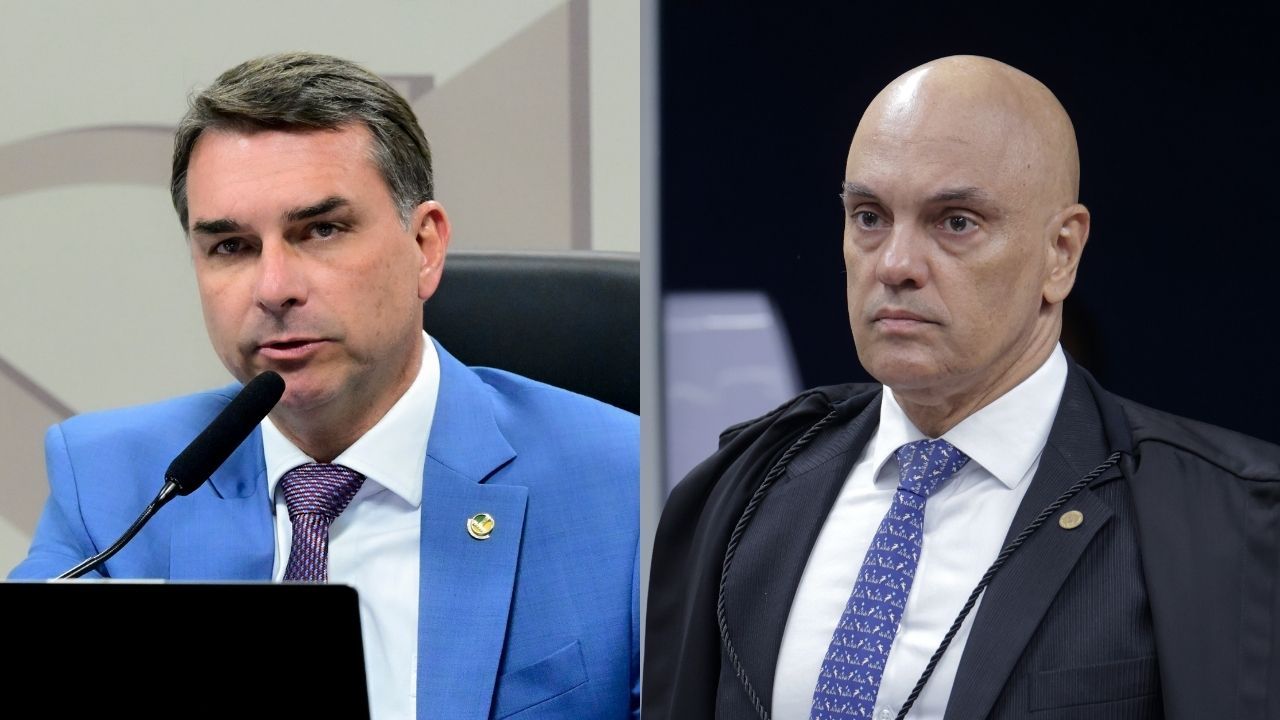

Judicial Tyranny Unmasked: Alexandre de Moraes Bars a Son from His Father to Silence Conservative Brazil
By Hotspotnews
In a brazen act of judicial overreach that should alarm every freedom-loving Brazilian, Supreme Court Minister Alexandre de Moraes has forbidden Senator Flávio Bolsonaro from visiting his father, former President Jair Bolsonaro, for 90 days. The supposed offense? Flávio reading aloud a personal, handwritten letter from his father on social media. What was once a simple family moment—sharing words of unity and concern for the nation—has been twisted into a criminal violation of vague house arrest restrictions.
This decision reeks of authoritarian control. A single minister, acting alone, has stripped away basic family rights, attorney-client protections, and constitutional guarantees. No full court review. No transparent process. Just unilateral punishment aimed squarely at conservative leaders who refuse to bow to the establishment. Family communication, a fundamental human bond, is now treated as a threat to “justice.” In Moraes’ Brazil, even a father’s letter to his son becomes evidence of subversion.
The timing tells the real story. This comes amid electoral tensions, with Flávio emerging as a strong voice and pre-candidate. The ruling was swiftly sent for probes into alleged premature campaigning. It fits a clear, disturbing pattern: selective enforcement that targets right-leaning figures while others enjoy impunity. Ordinary Brazilians see through it. Courts are no longer impartial arbiters but tools to harass, isolate, and silence opposition ahead of future battles.
Jair Bolsonaro, still under house arrest, wrote a message urging Brazilians to set aside differences for the country’s sake. His son shared it openly, as any devoted family member would. Rather than respecting that human connection, Moraes responds by severing visits and demanding explanations. This isn’t law enforcement. This is political warfare disguised as jurisprudence—eroding democratic norms one family at a time.
Conservatives have warned for years about the weaponization of Brazil’s institutions. This episode confirms it. Vague rules on social media and sentence execution are stretched to bar a senator from seeing his father. Constitutional rights to family, speech, and association are casually dismissed. The message to millions who support limited government, traditional values, and national sovereignty is unmistakable: dissent will be punished, even in the most personal ways.
Brazilians deserve real justice, not vendettas from the bench. They deserve leaders free to speak and families free to connect without fear of reprisal. When one minister can unilaterally destroy these basics, democracy itself is under siege. The tyranny isn’t hidden—it’s on full display. The people must demand accountability before more rights vanish under the weight of politicized rulings. Brazil’s future depends on rejecting this authoritarian drift and restoring the rule of law for all.