


Alcolumbre’s Defiance or Deliberate Sabotage? The INSS CPMI Scandal Threatens Accountability in Election Year
By Hotspotnews
Alcolumbre’s Defiance or Deliberate Sabotage? The INSS CPMI Scandal Threatens Accountability in Election Year**
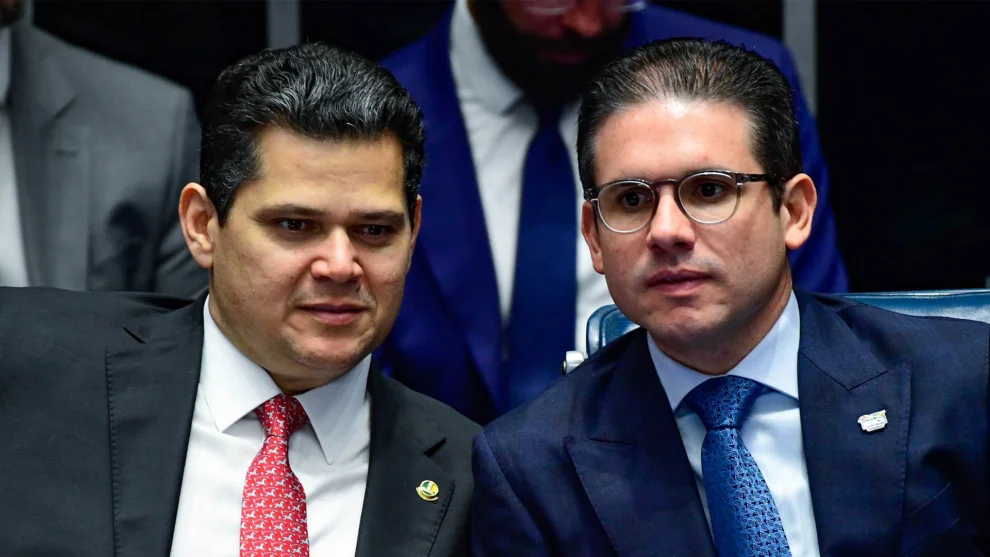
In what many Brazilians see as a blatant act of self-preservation, Senate President Davi Alcolumbre is accused of sabotaging the Parliamentary Mixed Inquiry Commission (CPMI) investigating massive frauds in the National Social Security Institute (INSS). This commission has exposed billions in misused public funds that have robbed hardworking retirees and pensioners — yet its work now hangs in the balance as Brazil heads into a critical 2026 election year.
The CPMI’s original term was set to expire around March 28, 2026. A properly signed request to extend the investigation, backed by the required number of lawmakers, landed on Alcolumbre’s desk. As Senate and Congress president, he holds the procedural keys under congressional rules. Instead of promptly processing the extension to allow a full probe into the corruption, Alcolumbre delayed — prompting STF Minister André Mendonça to issue a monocratic order on March 23, 2026. Mendonça accused the Senate leader of “deliberate omission” and gave him 48 hours to read the request, which would automatically extend the CPMI’s work for up to 120 days.
Alcolumbre reacted with indignation, calling it “grave interference” in legislative autonomy. He sought a legal opinion from the Senate’s advocacy and is banking on the full STF plenary — which reviewed the matter starting March 26 — to overturn Mendonça’s liminar. While framed as a defense of congressional rules, critics argue this resistance looks more like calculated obstruction, especially given the political stakes.
This isn’t just about procedure. The INSS probe has already touched sensitive nerves, including links to powerful political figures and even scrutiny involving President Lula’s son in related financial records. Alcolumbre, a key player in the Centrão bloc known for pragmatic alliances, faces questions about whether his delay protects allies implicated in the scheme or shields broader networks benefiting from the fraud. In an election year, with Senate seats and the presidency on the line, extending a commission that could generate damaging revelations poses real risks to those in power — or those seeking to maintain influence.
Supporters of the extension insist it safeguards minority rights in Congress and ensures justice for victims of the INSS scandal. Opponents of judicial intervention warn of overreach, with one unelected minister overriding elected lawmakers’ internal processes. Yet the pattern raises suspicions: Alcolumbre’s hesitation aligns conveniently with interests that might prefer the probe to fade quietly before voters head to the polls in October 2026.
This episode exposes a troubling reality in Brazilian politics. Conservatives have long criticized the revolving door between congressional leaders and entrenched interests, where institutional “autonomy” sometimes serves as cover for avoiding accountability. When a high-profile investigation into entitlement fraud — a drain on public resources that burdens taxpayers and retirees alike — stalls due to procedural gamesmanship, it erodes trust in democracy. True fiscal responsibility and anti-corruption efforts require investigations free from political vetoes by those potentially compromised.
Calls for consequences are growing. Some invoke Article 12 of Law 1.079/1950, Brazil’s Crimes of Responsibility Law. Item 1 deems it an offense to “impede, by any means, the effect of acts, orders, or decisions of the Judicial Power.” This provision, part of Chapter VIII on crimes against judicial enforcement, targets high officials and carries penalties including loss of office and disqualification for up to five years. While “crimes of responsibility” are political processes requiring congressional votes, deliberate frustration of a court order — even a contested liminar — provides a legal basis for scrutiny. Here, with Mendonça’s ruling under plenary review and tied to core separation-of-powers questions, application is debated. Still, if Alcolumbre’s actions are proven to sabotage the probe for personal or allied protection, the invocation of such accountability mechanisms gains force.
Alcolumbre’s resistance, whether dressed as principle or exposed as self-interest, underscores why many demand stronger safeguards against elite capture. Extending the CPMI should prioritize uncovering truth over shielding allies ahead of elections. As the STF deliberates and the 2026 campaign intensifies, Brazilians deserve transparency — not delays that protect the powerful at the expense of retirees defrauded by a broken system.
The power struggle between branches highlights the urgent need for reforms: curbing activist judicial overreach where it exists, while ensuring legislative leaders cannot unilaterally bury inconvenient inquiries. Protecting public funds and holding fraudsters accountable isn’t optional in election season — it’s essential for restoring faith in government. Alcolumbre’s handling of the INSS CPMI may define whether Congress serves the people or its own insiders.