





The Cracks in the narrative Alexandre de Moraes’ Grip on Power Begins to Slip
By Hotspotnews
In the corridors of Brazilian power, where judicial robes often mask political ambition, a remarkable shift is underway. Supreme Court Justice Alexandre de Moraes, long portrayed by his allies as the unflinching guardian of democracy, is suddenly finding himself on the defensive. Recent revelations surrounding the Banco Master scandal have exposed potential conflicts of interest and undue influence at the highest levels of the judiciary, raising serious questions about impartiality and the rule of law.
The controversy centers on reports that Moraes personally contacted the president of Brazil’s Central Bank multiple times to discuss the fate of Banco Master, a troubled financial institution facing liquidation amid allegations of massive fraud. At the same time, his wife’s law firm held a lucrative contract with the bank worth tens of millions of dollars, tasked with representing its interests before regulatory bodies—including the Central Bank itself. While Moraes has denied any improper pressure, insisting discussions were limited to unrelated matters, the timing and nature of these contacts have fueled legitimate concerns about favoritism and the blurring of personal and public roles.
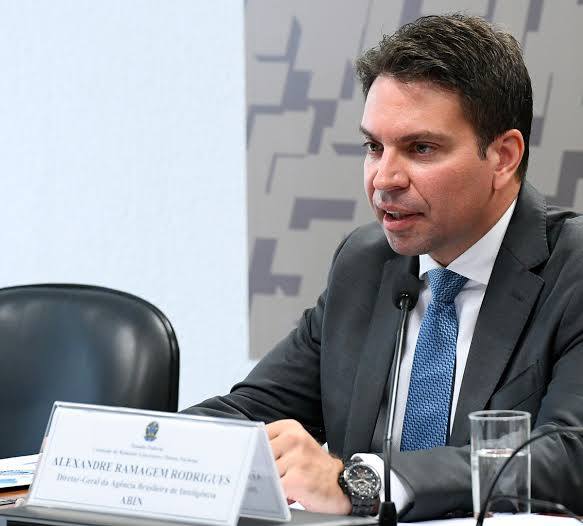
What makes this episode particularly telling is the source of the initial reports: a prominent journalist from a major media outlet known for its establishment ties. As former federal police delegate Alexandre Ramagem recently observed in a widely circulated video, such explosive information would not surface without high-level approval from powerful media executives. Ramagem, a vocal critic of judicial overreach, described the situation as an internal power struggle among Brazil’s elite factions—suggesting that Moraes, once an untouchable figure wielding extraordinary authority over censorship and political investigations, has become “uninteresting” to certain influential networks. In this view, the leaks represent not fearless journalism, but a calculated move in a larger battle for control.
Conservatives in Brazil have long warned that Moraes’ expansive use of judicial power—including sweeping social media bans, prolonged pretrial detentions, and investigations targeting political opponents—risked creating an unbalanced system where one branch dominates all others. For years, critics argued this approach undermined free speech and due process under the guise of defending democracy. Now, with Moraes facing scrutiny over his own conduct, those warnings appear prescient. The scandal highlights a double standard: the same justice who has aggressively pursued perceived threats to institutions is now accused of leveraging his position in ways that benefit private interests connected to his family.
This is not merely a personal embarrassment; it strikes at the heart of institutional trust. When judges appear to intervene in regulatory matters involving entities tied to their households, it erodes public confidence in the judiciary’s neutrality. Brazil deserves a Supreme Court that upholds the Constitution impartially, without favoritism toward powerful bankers or retaliation against dissenting voices. The Banco Master affair, combined with shifting media allegiances, signals that Moraes’ once-ironclad influence may be waning. As elite alliances fracture, the Brazilian people—particularly those who value limited government and individual liberties—have an opportunity to demand greater accountability from all branches of power.
In the end, true democracy thrives not on the unchecked authority of any single figure, but on transparency, restraint, and equal application of the law. The current turmoil in Brasília serves as a reminder: absolute power, no matter how nobly justified, eventually invites its own reckoning.


