



AFTA: Brazil’s Strategic Pivot — Diversifying Away from China Dominance and Igniting a New Era of Economic Freedom
By Hotspotnews
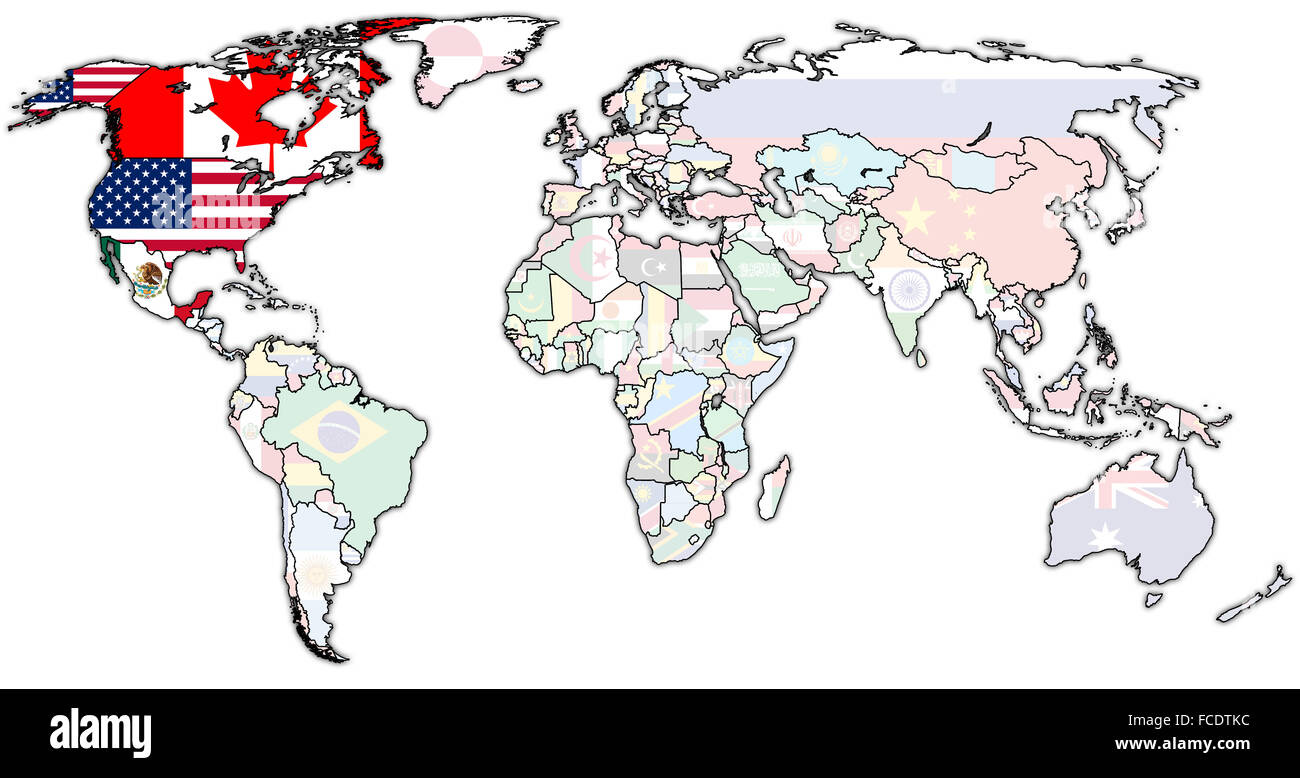
During the meeting in Washington, Senator and Presidencial candidate Flávio Bolsonaro, proposed rebranding and expanding the USMCA (the successor to NAFTA) into an AFTA — an Americas Free Trade Area encompassing the entire Western Hemisphere. This ambitious idea, shared during a Washington visit amid U.S. tariff discussions, has sparked intense debate. It is framed as a bold move to reduce Brazil’s heavy dependence on China and catalyze long-overdue structural reforms.
The proposal arrives at a critical moment. China dominates Brazil’s trade, creating both massive surpluses and strategic vulnerabilities. Combined with deep-rooted domestic challenges in education, industry, and agriculture, this dependence has kept Brazil from fully realizing its potential as a modern economic power.
The Current Reality: China’s Dominant Grip
China has been Brazil’s top trading partner since 2009. Recent data shows:
- Bilateral trade often exceeds $100 billion annually, with Brazil running a significant surplus driven by commodity exports.
- China absorbs 60–77% or more of key Brazilian exports, including soybeans (frequently 69–77% in peak
- months), iron ore (~70%), crude oil, beef, and cellulose.
- These five commodities alone account for roughly 90% of exports to China.
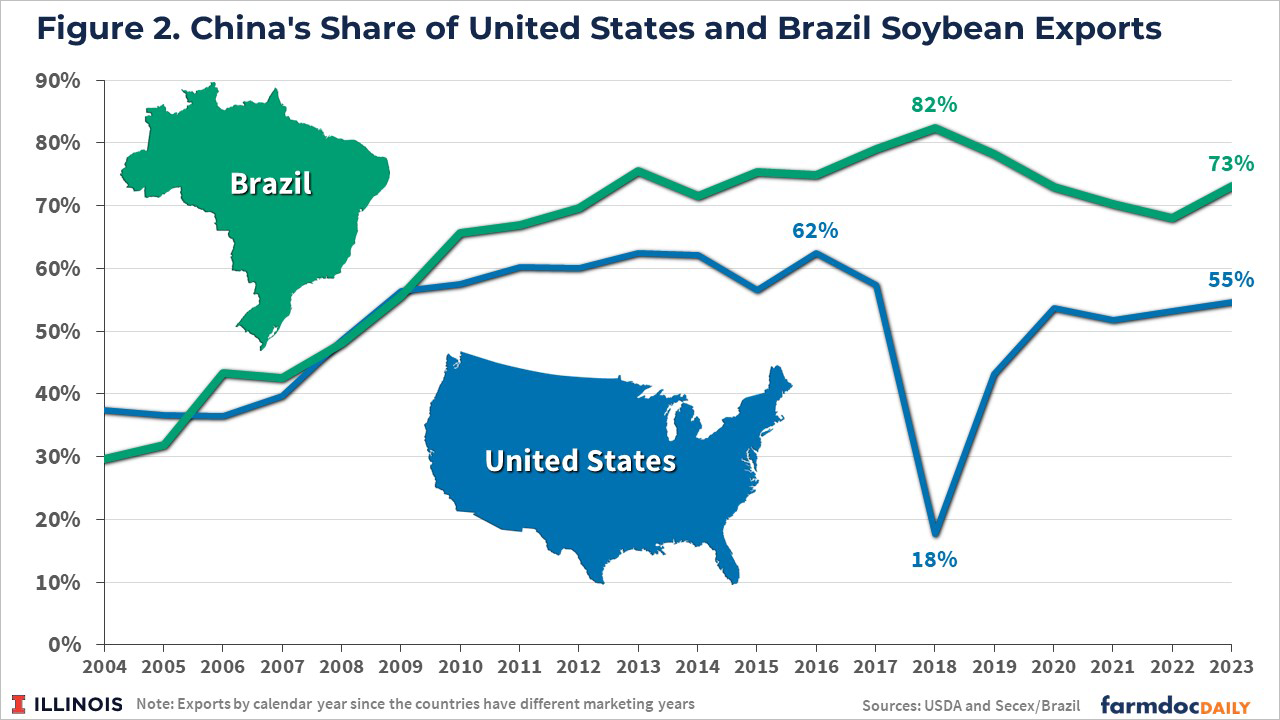
On the import side, China supplies about 25% of Brazil’s purchases — electronics, machinery, electric vehicles, solar panels, chemicals, and consumer goods. While the trade balance favors Brazil in value, the concentration creates risks: price volatility, policy shifts in Beijing, stockpiling decisions, or geopolitical leverage.
By contrast, trade with the United States is smaller and more diversified (oil, steel semi-products, aircraft, coffee), but far less dominant. This asymmetry has intensified during U.S.-China tensions, as China redirected purchases toward Brazilian soy and other commodities.

Flávio Bolsonaro’s AFTA Proposal
During a YouTube live stream from Washington in early July 2026, after participating in USTR hearings on potential tariffs, Senator Flávio Bolsonaro suggested transforming the North American USMCA into a broader AFTA (“Acordo de Livre Comércio das Américas”).
His core idea: “Instead of the old NAFTA, we can cut the ‘N’ and turn it into AFTA — the Free Trade Agreement of the Americas — where Brazil can join.”
He positioned the move as complementary economies (Brazil’s agribusiness strength paired with U.S. technology and capital) and a counterweight to closer Lula-era ties with China and BRICS. If elected president, he indicated he would advance it through technical teams.
This echoes the failed 1990s–2000s FTAA/ALCA initiative but arrives in a different geopolitical context — U.S. protectionism under Trump 2.0, global supply-chain reshoring, and Brazil’s need for diversification.
How AFTA Would Reposition China
A successful AFTA would not sever ties with China — that would be unrealistic and costly. Instead, it would dilute dominance through diversification:
- New market access: Tariff-free or preferential entry into the massive U.S., Canadian, and Mexican consumer bases (hundreds of millions of people) plus broader hemispheric partners.
- Trade diversion: Boost exports of soy, beef, energy, and value-added products to the Americas, reducing the share going exclusively to China.
- Investment inflows: Greater U.S. and hemispheric FDI in processing, agrotech, manufacturing, and infrastructure — shifting away from Chinese-financed projects.
- Bargaining power: With alternatives, Brazil negotiates from strength on terms, processing requirements, or political conditions with Beijing.
- Supply-chain resilience: Participation in “friend-shoring” reduces exposure to U.S.-China decoupling shocks.
China would likely remain a major buyer of raw commodities due to its scale, but its relative weight would decline. Brazil could maintain pragmatic engagement while building Western-hemisphere options.
The Structural Revolution Needed: Sectors That Unlock Freedom
A trade deal alone is insufficient. It must serve as an external anchor forcing internal modernization — similar to how EU accession drove reforms in Eastern Europe. Brazil needs breakthroughs in three foundational areas:
1. Education — Building Human Capital
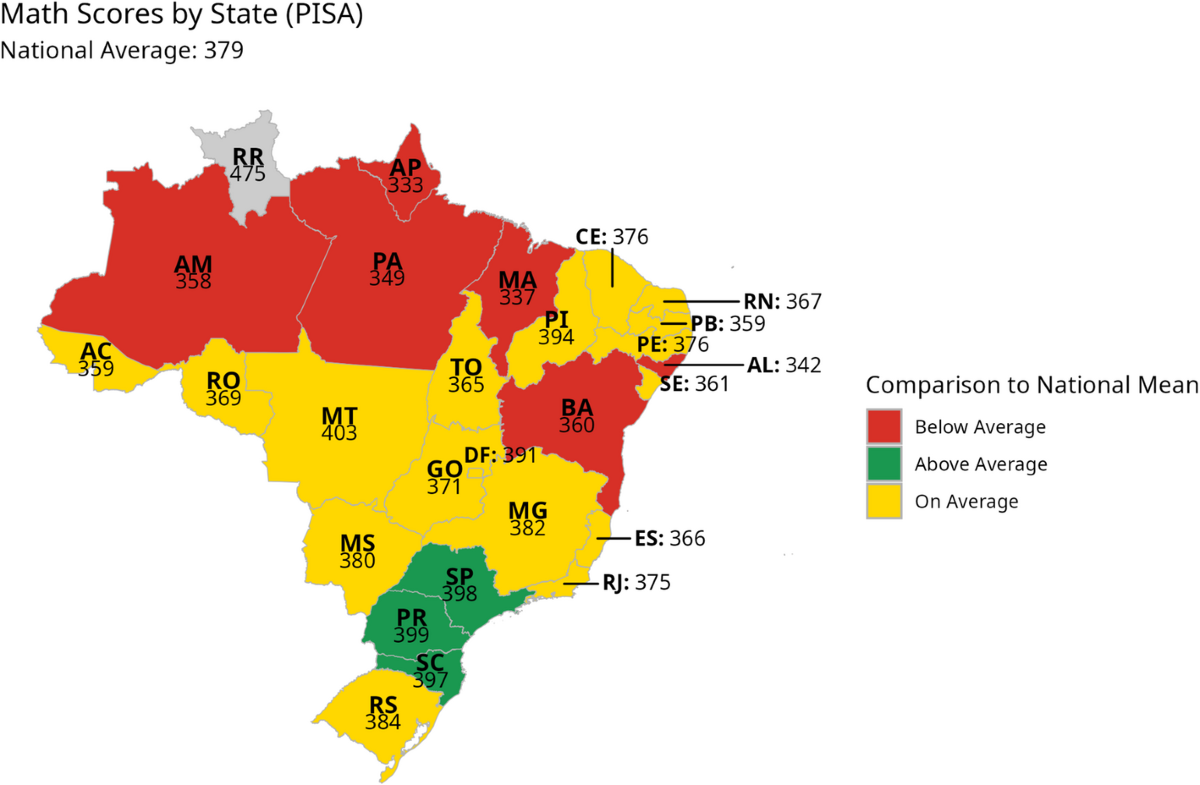
Brazil’s PISA scores remain low (national math average around 379 in recent assessments), with significant regional disparities.
The revolution: Shift from ideological or rote learning toward STEM, English proficiency, vocational training, and critical thinking. Expand high-quality technical education (scaling successful SENAI models) and tie curricula to industry needs. An AFTA would increase demand for skilled workers in logistics, advanced agriculture, engineering, and services — creating urgency for reform.
Outcome: Higher productivity, innovation capacity, and social mobility — the true foundation of economic freedom.
2. Industry — Reversing Deindustrialization
Brazil’s manufacturing share of GDP has declined for decades due to the “Brazil Cost” (high taxes, bureaucracy, poor infrastructure, rigid labor rules, and protectionism).
The revolution: Use AFTA preferences to attract investment while implementing domestic reforms — tax simplification, labor flexibility, regulatory agility, and infrastructure upgrades (ports, roads, energy). Focus on competitive niches (aerospace like Embraer, biofuels, machinery) and move up value chains.
Outcome: Job creation in higher-value sectors, reduced reliance on imported manufactured goods (many from China), and genuine industrialization rather than commodity dependence.
3. Agriculture — From Commodity Exporter to Value-Added Powerhouse
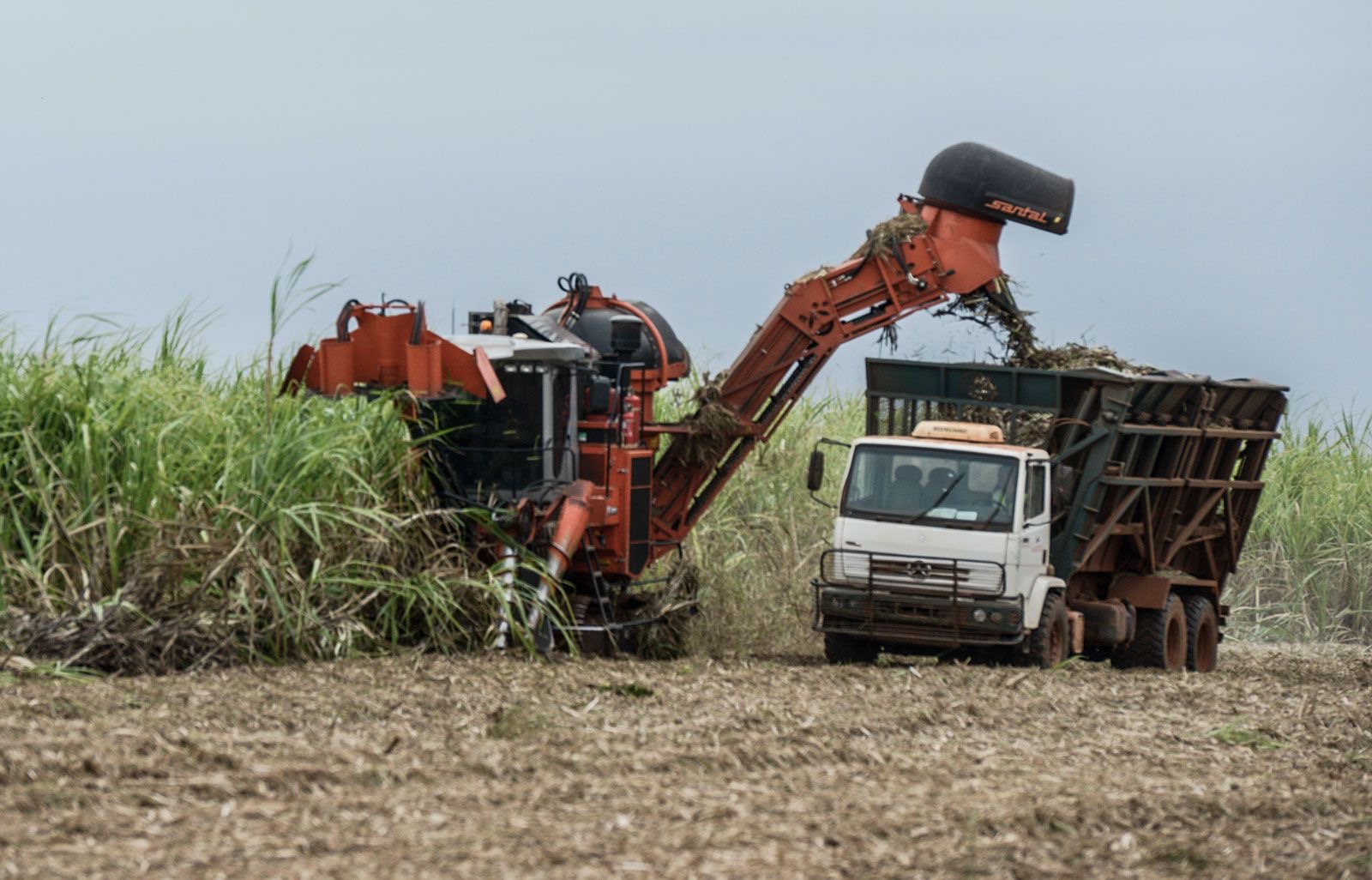
Brazil is already a global agricultural superpower. Modern large-scale farming (sugarcane, soy, etc.) demonstrates technological capability.
 ”
”
The revolution: Leverage AFTA for secure market access while investing in processing (turning soy into higher-margin products), sustainability (traceability, low-carbon practices to maintain market access), precision agriculture, and support for smaller/family farms. Combine with R&D in climate resilience and bioeconomy.
Outcome: Higher export revenues with less volume dependence on any single buyer (China), greater rural prosperity, and environmental credibility.
Key Advantages of the AFTA Path
- Economic diversification and reduced geopolitical vulnerability.
- Productivity surge from competition and new investment.
- Technology and know-how transfer from advanced partners.
- Consumer benefits — potentially lower prices and more variety through competition.
- Strategic autonomy — ability to engage China and the U.S. on Brazil’s terms.
- Catalyst for reforms — external pressure makes difficult domestic changes politically feasible.
- Long-term growth — historical evidence shows broad trade liberalization, paired with domestic reforms, lifts living standards.
Challenges and Realistic Risks
- Asymmetries: The U.S. economy is vastly larger; poor negotiation could hurt Brazilian manufacturing.
- Feasibility: Complex multi-country negotiations; U.S. political hurdles; conflict with Mercosur.
- Adjustment costs: Short-term pain in uncompetitive sectors.
- China response: Possible retaliation or reduced purchases.
- Domestic politics: Resistance from protectionist or ideological interests on both sides.
- Execution gap: Without complementary reforms, benefits could be limited or uneven.
The 2005 failure of ALCA showed that size and ideological differences matter. Success today requires pragmatic, results-oriented leadership.
The Path to Freedom
“Freedom” here means economic sovereignty — the ability to choose partners, innovate, and grow without excessive dependence on any single power or outdated models. AFTA represents a strategic reorientation: leveraging Brazil’s commodity strengths while building the skills, industries, and institutions for a high-productivity future.
It is not anti-China; it is pro-Brazil. Pragmatic engagement with Beijing continues, but on healthier, diversified terms. Combined with education upgrades, industrial modernization, and agricultural value addition, it could spark the transformation Brazil has long needed.
The proposal from Flávio Bolsonaro and the enthusiastic response from figures like former minister Adolfo Sachsida highlight a clear opportunity. Whether it becomes reality depends on political will, smart negotiation, and sustained reform commitment across governments.
Brazil stands at a crossroads. One path leads to continued commodity dependence and external vulnerabilities. The other — through strategic trade integration and internal revolution — points toward genuine modernization and greater economic freedom.
Flávio Bolsonaro’s AFTA vision and the broader structural overhaul it implies is a masterpiece on paper: ambitious, strategically sound, and aligned with what many economists see as Brazil’s path to escaping the middle-income trap.
Why Congress Is the Bottleneck
• Mercosur and vested interests — Any major hemispheric deal would require renegotiating or managing Brazil’s South American commitments. Protected sectors (parts of industry, agriculture lobbies) and ideological blocs will fight hard.
• Legislative math — Passing trade agreements, tax reform, labor flexibility, or education overhauls needs broad coalitions. Brazil’s Congress is fragmented; horse-trading and regional interests often dilute bold plans.
• Historical precedent — Past attempts at big openings (like elements of FTAA) stalled due to exactly these dynamics.
The People’s Role
Public support is decisive. If Brazilians see tangible benefits — more formal jobs, rising wages, better schools, cheaper high-quality goods, and reduced dependence on any single partner — momentum builds. Polling on trade openness has historically been mixed: enthusiasm for exports, caution about import competition.
Winning formula:
• Clear communication on winners (agribusiness, consumers, skilled workers, exporters) + credible transition support for sectors that face adjustment.
• Cross-party buy-in where possible (framing it as “pro-Brazil” rather than purely partisan).
• Demonstrable early wins (pilot bilateral deals, targeted reforms) to build credibility.
Many transformative reforms in Latin America succeeded when external anchors (trade deals) aligned with domestic political windows. Bolsonaro’s proposal creates that window — now it’s about translating vision into votes and legislation.
Bottom line: The idea has real potential to be historic. Whether it becomes one depends on sustained public pressure, smart coalition-building in Congress, and leadership that delivers results over rhetoric.
The choice, and the hard work required to realize it, now lies with Brazil’s leaders and people.
Sources drawn from official trade data (Secex, USDA), recent reporting on Brazil-China and Brazil-U.S. relations, and economic analysis of historical FTAs. Data reflects 2024–mid-2026 figures.