





Bolivian Supreme Court President Flees Amid Drug Trafficking Warrant; Separate Case of Peruvian Former First Lady Also Involves Brazil
By Hotspotnews
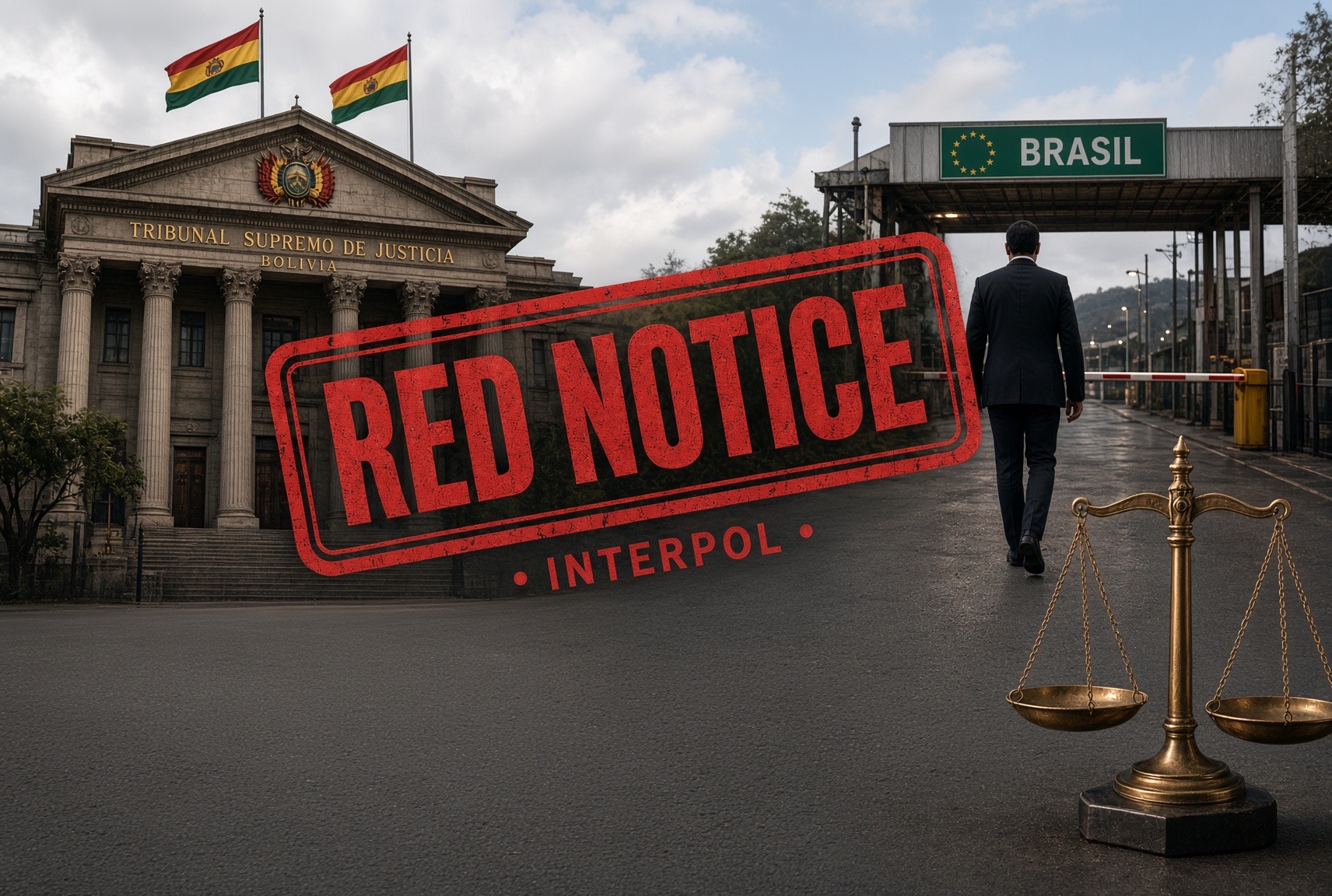
Romer Saucedo, the president of Bolivia’s Tribunal Supremo de Justicia, left the country in early November 2026 after prosecutors issued an arrest warrant against him for suspected drug trafficking and criminal organization. He announced his departure publicly on November 4, stating that he had gone into exile with his wife and three children because he feared for their safety and freedom. Bolivian authorities say the warrant was issued the previous day and that Saucedo is believed to have crossed into Brazil by land.
According to the interim Attorney General, José Armando Urioste, the warrant is based on suspected involvement in the trafficking of controlled substances under Bolivia’s Law 1008 and membership in a criminal organization. Prosecutors have described the case as having evidence of authorship along with risks of flight and obstruction of justice. The investigation remains under seal because of protected witnesses. Urioste has confirmed that migratory alerts were activated and that authorities are preparing the documentation needed to request an Interpol Red Notice.
Migration records show that Saucedo last entered Bolivia on October 30 after a trip to Spain. No subsequent formal exit was registered. Bolivian officials have stated that they believe he left by land toward the Brazilian border. Unconfirmed reports circulating among investigators mention possible sightings of him with his family in the border city of Corumbá. Brazilian authorities have not publicly confirmed his presence.
Saucedo has rejected the accusations. In a public message, he said he was the target of political persecution by the government of President Rodrigo Paz and that evidence would be fabricated against him. He insisted he had left the country without open proceedings against him and that he would return once conditions changed. Government officials have linked the case to a broader set of investigations involving senior figures in the Bolivian justice system and alleged ties to drug trafficking networks. These inquiries intensified after the detention of former Attorney General Roger Mariaca and the cancellation of several U.S. visas for Bolivian officials.
In the days following Saucedo’s departure, police carried out operations in Santa Cruz that resulted in the detention of several of his relatives and the seizure of cash and other materials. Prosecutors have said additional arrest warrants may be issued and that extradition procedures will be evaluated once he is formally declared a fugitive.
As of November 8, 2026, Saucedo’s exact location remains unconfirmed. He continues to face the Bolivian arrest warrant while authorities in both countries pursue leads on his whereabouts. Drug trafficking charges are extraditable under the existing bilateral and Mercosur treaties between Bolivia and Brazil, provided dual criminality and other legal requirements are met.
Related case: Peruvian former First Lady
Separately, in April 2025 the Brazilian government under President Luiz Inácio Lula da Silva granted diplomatic asylum to Nadine Heredia, former First Lady of Peru and wife of former President Ollanta Humala. On the day a Peruvian court sentenced her to 15 years in prison for aggravated money laundering linked to illicit campaign financing (involving Odebrecht and Venezuelan funds), she entered the Brazilian embassy in Lima. Lula’s government then authorized a Brazilian Air Force plane to transport her and her son from Lima to Brasília. The operation cost Brazilian taxpayers R$ 345,013.56, primarily in logistics, fuel, and flight hours. Officials cited humanitarian reasons connected to her medical treatment.
In August 2026, Peruvian courts annulled Heredia’s conviction and archived the case after extending a Constitutional Court ruling that had favored Humala on procedural grounds. Arrest orders were lifted. She remains under Brazilian asylum.
The two situations differ in key respects: Saucedo faces an active arrest warrant for drug trafficking and is believed to have entered Brazil irregularly, while Heredia had a completed conviction at the time of her official transport and was brought in by the Brazilian government at public expense. Both cases have drawn attention to how high-profile figures facing serious criminal allegations from neighboring countries have ended up on Brazilian soil.
Sources: Statements by Bolivia’s interim Attorney General José Armando Urioste; reports from Red Uno, El Deber, Folha de S.Paulo, and Migalhas; Interpol Bolivia statements on migratory records and the pending Red Notice request; Brazilian Defense Ministry documents obtained by Deputy Marcel van Hattem; reports from Estadão, Veja, and Peruvian outlets on the Heredia transport and later court rulings.
#RomerSaucedo #Bolivia #TribunalSupremo #Narcotrafico #Brasil #Interpol #NadineHeredia #Peru #Lula #Asilo #JusticiaBolivia #Exilio #Corumba #RodrigoPaz


