


Hope for Justice: Bolsonaro’s Criminal Review Lands with a Fair-Minded Relator Amid Claims of Political Persecution
By Hotspotnews
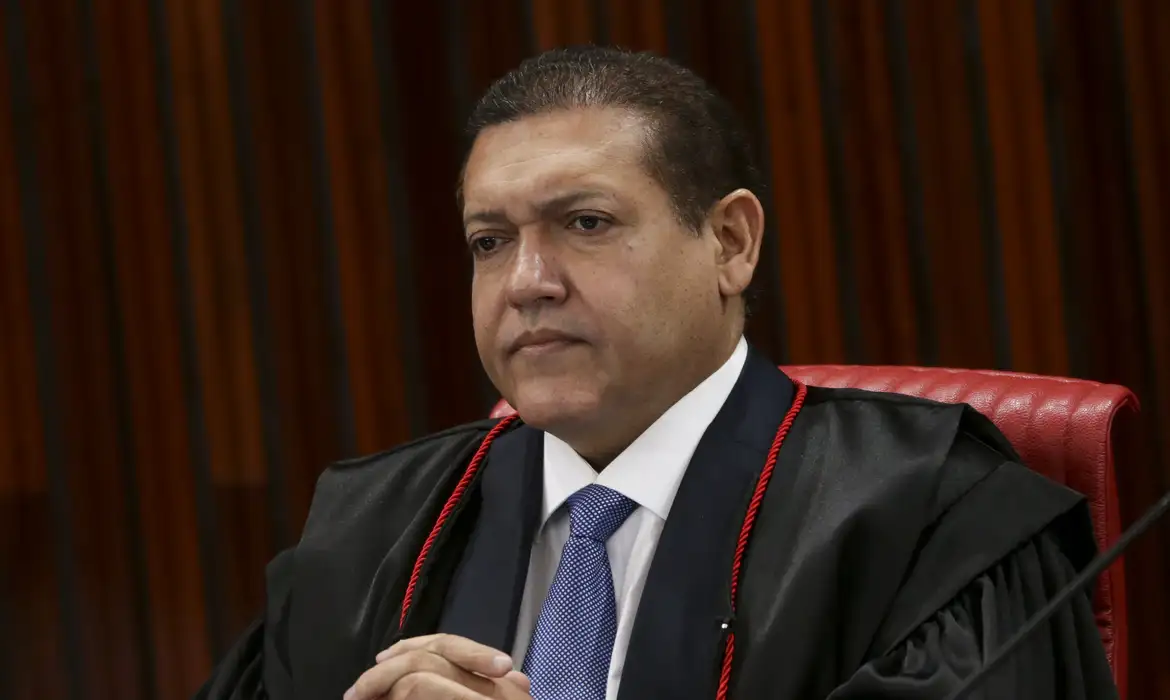
In a development that offers a glimmer of hope for conservatives across Brazil and beyond, former President Jair Bolsonaro’s defense formally filed a criminal review on May 8, 2026, challenging his controversial 27-year prison sentence handed down by the Supreme Federal Court (STF). Just three days later, on May 11, the case was assigned by lottery to Minister Kassio Nunes Marques, a Bolsonaro appointee known for his commitment to legal principles over political pressure. This procedural step marks the beginning of what could be a meaningful opportunity to address perceived injustices in the original conviction.
Bolsonaro was convicted by the STF’s First Chamber for alleged involvement in a “coup plot” tied to events following the 2022 election. Critics have long argued that the proceedings suffered from procedural irregularities, including questions about whether the full Plenum should have heard such a weighty matter rather than a smaller panel. Supporters see the heavy sentence not as impartial justice, but as retribution against a president who fought for conservative values, economic freedom, and skepticism toward unchecked institutions.
The criminal review (revisão criminal) is a legitimate legal tool designed to correct potential miscarriages of justice, such as errors in procedure or application of the law. With Nunes Marques as relator, drawn by lottery from the Second Chamber, there is renewed optimism. The minister has shown in prior cases a willingness to scrutinize evidence carefully and apply penalties proportionally — principles that many feel were sidelined in the rush to condemn Bolsonaro. A successful review could lead to a reduced sentence through better dosimetria (penalty calibration) or even address core flaws in the case.
As of mid-May 2026, no firm judgment date has been set. The review will go before the STF Plenum for a final decision, potentially after initial analysis by Nunes Marques in the Second Chamber. STF processes of this nature often take weeks or months to reach the docket, depending on the relator’s pace, requests for additional information, and the court’s calendar. While a quick resolution is unlikely, this early stage already represents progress in a system many view as tilted against patriotic voices.
This is no guarantee of full exoneration, and the path remains uphill in a court often accused of ideological bias. Yet it underscores a key conservative tenet: the rule of law must apply equally, without favoritism toward those in power. Bolsonaro’s allies point to broader patterns — from aggressive actions against January 8 protesters to selective enforcement — as evidence of a system stacked against conservative principles.
Separately, Bolsonaro’s political ineligibility until 2030 stems from TSE rulings on abuse of power during 2022 events. While some speculate on avenues involving Minister Luiz Fux or future compositions, these remain distinct challenges. The immediate focus is on the STF review as a chance to restore fairness in the criminal sphere.
For millions of Brazilians who remember Bolsonaro’s achievements — taming inflation, securing borders, defending traditional values, and standing against radical globalism — this review represents more than paperwork. It is a test of whether Brazil’s institutions can self-correct or will double down on division. True conservatives believe in redemption through due process, not endless vendettas. As this case unfolds in the coming months, it may signal whether justice can still prevail over politics in the world’s fourth-largest democracy. The eyes of the nation — and freedom-loving people everywhere — are watching.