




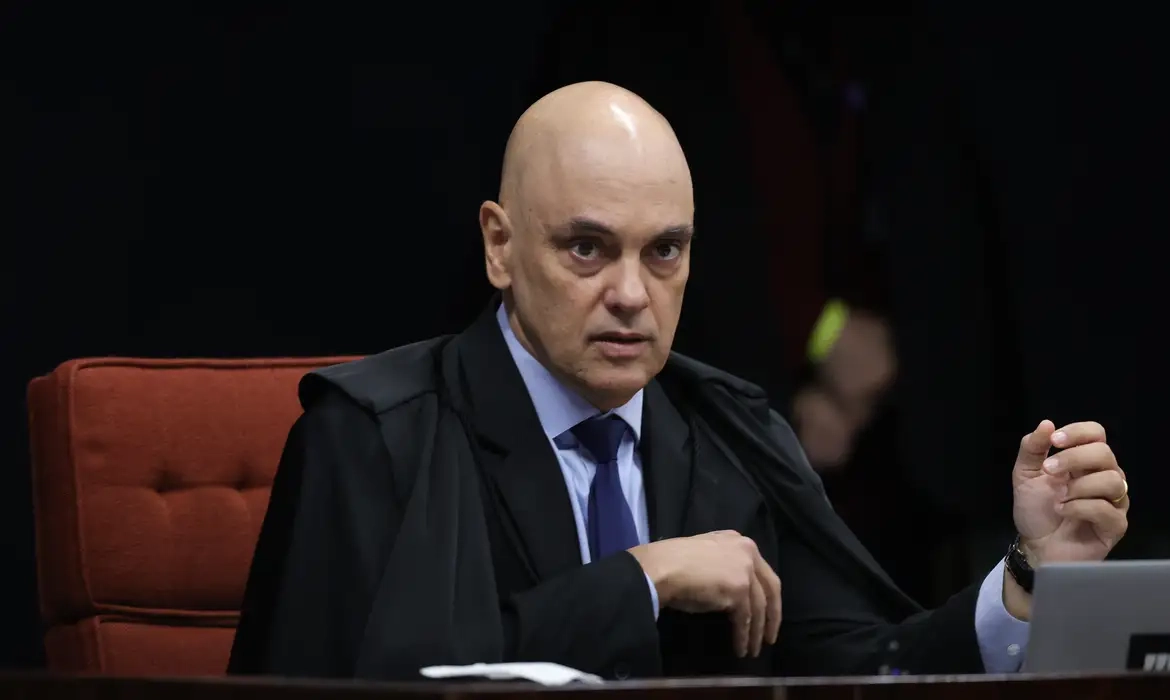
Brazilian Taxpayers Forced to Bankroll Censor Alexandre de Moraes’ Personal Legal Defense – A Clear Case of Lawbreaking
By Hotspotnews
Prominent Brazilian criminal lawyer Jeffrey Chiquini has issued a stark warning that cuts to the core of the scandal: Brazil’s government is committing desvio de finalidade (deviation of purpose) and improbidade administrativa (administrative improbity) by using public resources to defend Supreme Court Justice Alexandre de Moraes in a U.S. lawsuit filed against him personally.
Chiquini’s argument is clear and grounded in Brazilian administrative law. The lawsuit by Rumble and Trump Media targets de Moraes as an individual—not the Brazilian state. His orders censoring content and suspending accounts on American platforms are being challenged as violations of the First Amendment and U.S. law. When public institutions like the Advocacia-Geral da União (AGU) step in with taxpayer-funded lawyers, they twist the purpose of government resources away from defending the Union and toward shielding one powerful judge’s personal controversies. That violates core rules requiring public acts to serve the public interest, not private ones.
Legal Breach and Misuse of Power
Desvio de finalidade occurs when public authority is exercised for a purpose other than the one authorized by law. The AGU exists to represent the Brazilian state, not to provide a free legal defense for individual officials sued abroad in their personal capacity. Critics rightly point out that ordinary Brazilians targeted by de Moraes’ orders had to hire private lawyers at their own expense. Why should the public now subsidize his fight in Florida?
Improbidade administrativa, under Brazil’s improbity law, punishes public agents who violate principles of legality, impersonality, morality, and efficiency. Using public funds and staff this way exposes officials to potential liability, including fines, loss of office, and reimbursement of misused money. Chiquini and others argue this is exactly such a case—an elite protection racket where the powerful evade accountability while preaching “institutional defense.”
A Man of Means Who Chooses Public Funds
What makes this especially galling is de Moraes’ substantial personal wealth. As an STF minister, he earns around R$ 46,000 per month—the public sector salary ceiling. Far more revealing are his family’s real estate holdings, which have exploded by 266% since he joined the court, reaching R$ 31.5 million across multiple properties in prime locations like Brasília, São Paulo, and Campos do Jordão. In the last five years alone, the family spent R$ 23.4 million on new purchases—all paid in cash—including a R$ 12 million mansion in the capital.
His wife’s law firm also secured a massive contract with Banco Master envisioning R$ 129 million over three years. This is not a man who cannot afford top-tier private counsel in a Florida federal court. Ordinary citizens crushed by his censorship orders had no such luxury—they paid their own way. Yet de Moraes and his allies insist Brazilian taxpayers must foot the bill under the banner of “sovereignty.”
Consequences Unfolding
A popular action (ação popular) was filed in federal court in Brasília precisely to block this misuse, arguing that Brazilian citizens should not subsidize de Moraes’ personal defense. The suit highlighted the personal nature of the claims and the improper drain on public resources. While a federal judge recently dismissed it on procedural grounds—ruling that ação popular was not the right vehicle—the underlying outrage remains. The AGU, with STF backing from President Edson Fachin, continues pushing forward with intervention in the U.S. case.
This sets dangerous precedents. If successful, it normalizes the use of public money to insulate activist judges from foreign scrutiny over alleged abuses. If challenged further through other legal avenues, it could trigger investigations by anti-corruption bodies, demands for repayment, or political fallout exposing judicial overreach. In the U.S., the court may still question any AGU role, viewing the suit as personal and rejecting foreign state interference in American free speech protections.
De Moraes has built a reputation for aggressive actions against conservatives, opponents of the Lula government, and dissenting voices. Now, the same system that demands compliance from citizens refuses to let one of its own face consequences alone. Chiquini’s warning cuts through the rhetoric: this isn’t about national honor—it’s about self-preservation at public expense.
Conservatives have long warned that unchecked judicial power erodes liberty and accountability. This episode proves the point. Brazilian taxpayers deserve better than subsidizing a wealthy censor’s legal battles abroad. True rule of law demands that public resources serve the people, not shield the powerful from the fallout of their own decisions. Anything less is not defense of institutions—it is their corruption.


