

China’s Quiet Anxiety: Lula’s Confrontation With Washington Risks Accelerating the Reckoning
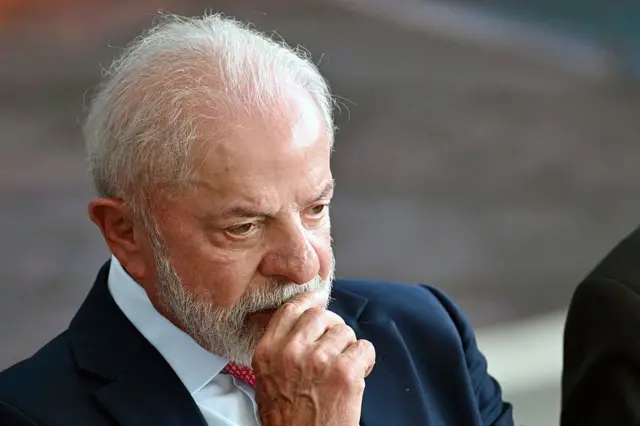
Brazil finds itself in a deepening diplomatic crisis with the United States, and Beijing is not celebrating. What began as President Luiz Inácio Lula da Silva’s decision to deny entry visas to two American officials has escalated into a full-blown exchange of retaliatory measures. On August 4, Washington revoked the visa of Brazil’s ambassador. The Chinese embassy in Brasília has reportedly sought urgent, off-schedule meetings. The message from the pragmatic communists in Beijing is clear: they still need more time to extract value from Brazil before American power asserts itself more forcefully in South America.
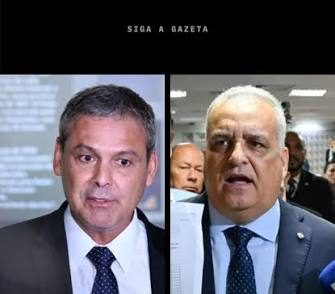
In late July, Lula’s government refused visas to senior U.S. State Department officials who planned to discuss electoral integrity and freedom of expression ahead of Brazil’s October presidential election. Brasília framed the visit as an unacceptable attempt to cast doubt on the electronic voting system and interfere in the contest between Lula and Senator Flávio Bolsonaro. The United States rejected the interference charge and responded with reciprocity. The result is the most serious bilateral rupture in years, layered on top of existing American tariffs on Brazilian goods.
From a conservative perspective, Lula’s hard line was both predictable and strategically shortsighted. His government has long prioritized close alignment with Beijing while treating Washington with suspicion. China is Brazil’s largest trading partner, a major buyer of commodities, an investor in critical minerals, and a partner in technology and infrastructure projects. Lula has repeatedly leaned into this relationship, accelerating talks on a Mercosur-China trade deal and deepening cooperation even as tensions with the United States rose. The visa denials fit a pattern of asserting “sovereignty” against the West while remaining accommodating toward an authoritarian power that does not share Brazil’s democratic traditions.
China’s reaction reveals the cold calculation at work. Xi Jinping’s regime is not driven by ideology alone when it comes to Latin America. It is driven by resource security, market access, and geopolitical positioning. Brazilian soy, iron ore, oil, and critical minerals help fuel China’s economy. Chinese companies have expanded their footprint in Brazilian industry and infrastructure. Beijing has no interest in an abrupt rupture that could invite greater American attention—military, economic, or diplomatic—to the South Atlantic and the Amazon. The reported request for unscheduled embassy meetings suggests China wants reassurance that the current arrangement can continue long enough to lock in further advantages.
Lula’s defenders call this independent foreign policy. Critics see a government that has made Brazil overly dependent on a single authoritarian partner while picking unnecessary fights with its historic democratic ally. The United States remains a major investor, a key market in many sectors, and the primary security actor in the Western Hemisphere. Treating American concerns about electoral transparency as pure hostility, while welcoming Chinese influence with open arms, is not balance. It is a gamble that prioritizes short-term political messaging over long-term national interest.
The timing matters. Brazil is months away from a consequential presidential election. A government that frames every American action as illegitimate interference while deepening ties with the Chinese Communist Party invites legitimate questions about its strategic judgment. Conservatives who value national sovereignty, democratic alliances, and resistance to authoritarian influence have reason to worry that Lula’s course leaves Brazil more exposed, not more independent.
China will continue to act in its own interest. The United States, under a more assertive administration, will do the same. Brazil’s leadership must decide whether it intends to navigate this reality with clear-eyed realism or continue a pattern of confrontation with the West and accommodation of Beijing. The latest escalation suggests the current approach is already producing consequences that even China would prefer to postpone.