


Federal Police Prepares to Summon Lula’s Son for Testimony in Influence-Peddling Probes
By Hotspotnews
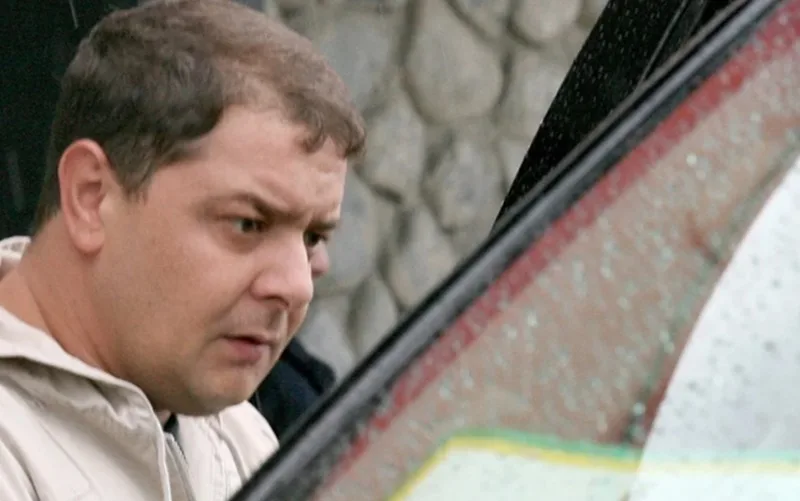
Brazil’s Federal Police is preparing to formally summon Fábio Luís Lula da Silva, known as Lulinha, the eldest son of President Luiz Inácio Lula da Silva, for an in-person deposition. The move comes amid multiple ongoing investigations into suspected influence peddling and related corruption allegations involving access to federal government bodies.
Investigators want to question Lulinha about indications that he may have leveraged his family connection to facilitate business opportunities for private parties. One line of inquiry focuses on alleged efforts tied to medicinal cannabis products and approaches involving the Health Ministry and the presidential office. Another examines suspected influence related to contracts at Dataprev, the federal technology company that manages social security and other government data systems. Elements under review include shared travels, financial transfers routed through intermediaries, and witness accounts describing possible benefits or partnership arrangements.
These probes originated as spin-offs from the broader Operação Sem Desconto investigation into fraudulent discounts on INSS retirement benefits. Supreme Federal Court Minister André Mendonça authorized the formal inquiries after reviewing materials collected in that larger case. Lulinha, who has been residing in Spain, is not currently under formal charges. His defense has stated he remains available to clarify the facts and denies any wrongdoing or improper financial gains linked to government dealings.
The summons itself is a standard procedural step. Once formal inquiries are authorized, the Federal Police routinely calls investigated parties to present their version of events, respond to evidence such as travel records, messages, and financial data, and provide additional information before any decision on indictment.
There is no public evidence that President Lula directed, authorized, or explicitly allowed his son to engage in illegal lobbying or to secure government contracts through improper influence. The investigations center on Lulinha’s own actions and relationships. Lula has publicly stated that his son would be treated like any other citizen, with no privileges or interference. While relatives of high officials often enjoy easier access simply because of proximity—a pattern seen across governments and parties—any claim that the president actively facilitated criminal contracting remains unproven at this stage.
The investigations have also highlighted institutional friction. Mendonça has imposed stricter oversight on the handling of the related cases, requiring that investigative acts be promptly filed with his chambers and that any changes to the police team be communicated in advance. He has opened a procedure examining possible irregularities involving the Federal Police’s leadership, including Director-General Andrei Rodrigues, over delays, information flow, and earlier attempts to redistribute portions of the Lulinha-related matters. Police leadership has pushed back, viewing some of the judicial directives as overreach into the institution’s internal autonomy. A recent meeting involving Mendonça, the Justice Minister, and other officials sought to ease the tensions while both sides emphasized the need for independent work.
Possible consequences remain open and depend on the evidence developed during the deposition and further investigative steps. If prosecutors conclude there is sufficient basis, they could seek formal charges for influence peddling, a crime under Brazil’s Penal Code that carries a prison term of two to five years plus fines, or related corruption offenses with potentially higher penalties. Any request for preventive or temporary detention would require a judicial finding of both evidence of the crime and a concrete risk, such as flight or obstruction; the case’s placement under Supreme Court supervision means such measures would need authorization from the competent minister. Because Lulinha is abroad, international cooperation could become relevant if coercive steps are pursued.
Politically, the inquiries arrive in an election year and have already drawn attention to questions of institutional independence and equal treatment under the law. Outcomes will hinge on the concrete findings of the deposition and the subsequent decisions by prosecutors and the Supreme Court. For now, the Federal Police’s planned summons marks the next concrete step in bringing the suspicions into formal examination.


