


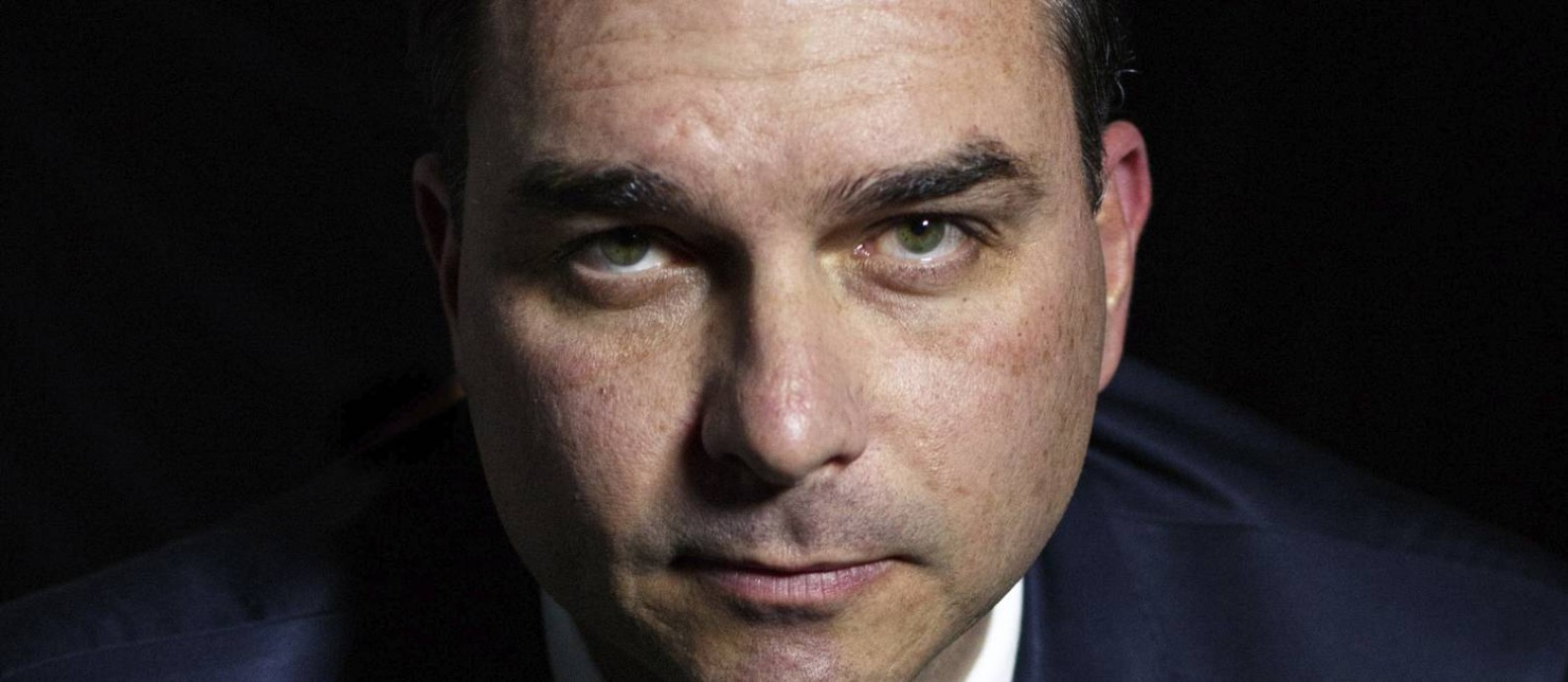
Flávio Bolsonaro Delivers a Powerful Message Against Crime: Lula Stands Alone Against Brazil’s Fight for Security
By Hotspotnews
In a video that has electrified social media platforms, amassing more than 50 million interactions and rapidly approaching 100 million, Senator Flávio Bolsonaro has issued a bold and uncompromising call for the restoration of law and order in Brazil. This hard-hitting presentation lays bare the profound ideological divide separating those who champion the safety and prosperity of Brazilian families from those who appear all too willing to accommodate criminal elements at the expense of public security. As conservative supporters mobilize ahead of the pivotal 2026 presidential elections, the video positions Flávio as a steadfast defender of traditional values, contrasting his resolute approach to dismantling organized crime with President Lula da Silva’s perceived reluctance to confront these threats head-on.
The video begins with a direct and powerful assertion: This confrontation is not merely between Flávio Bolsonaro and Lula—it represents Lula standing in opposition to the will of the entire Brazilian nation. At its core, the message underscores a fundamental truth: when it comes to combating the scourge of criminal factions that have seized control of neighborhoods, instilled fear in communities, and undermined national stability, the Brazilian people overwhelmingly demand action. Prominent polling data woven throughout the presentation reinforces this reality with striking clarity. A Genial/Quaest survey reveals that a commanding 72% of Brazilians support classifying major organized criminal organizations—such as the PCC and Comando Vermelho—as terrorist groups, a designation that would unlock stronger legal tools, enhanced penalties, and international cooperation to eradicate them. This statistic reflects the deep-seated frustration of millions who are exhausted by daily violence, extortion, and the erosion of basic freedoms.
cd96bf4f0df080942920a6728b006c5e55640a2d
Equally compelling is the evidence from within the communities most affected by gang violence. Another poll highlighted in the video demonstrates that eight out of ten residents in Rio de Janeiro’s favelas approve of robust police operations targeting these criminal strongholds. Far from being an imposition from outsiders, aggressive anti-crime measures enjoy broad grassroots support even among those living in the shadows of these territories. This data dismantles leftist narratives that portray security initiatives as oppressive, instead revealing them as a unifying demand from citizens yearning for peace, stability, and the opportunity to raise their families without fear.
watch this video cd96bf4f0df080942920a6728b006c5e55640a2d
Flávio Bolsonaro’s delivery is both passionate and principled, firmly rooted in conservative ideals of sovereignty, personal responsibility, and the rule of law. He pulls no punches in describing how ruthless criminal factions operate—terrorizing entire neighborhoods, executing fathers in front of their horrified children, and establishing parallel states where the authority of the Brazilian government is openly defied. These are not simply misguided youths or “our criminals,” as Lula once controversially referred to them in a moment that continues to haunt his administration. They are sophisticated, heavily armed enemies of the state, the people, and civilized society itself. Flávio emphasizes the need for proactive strategies: bolstering police forces with adequate resources and legal protections, fostering international partnerships to disrupt transnational crime networks, and rejecting the soft-on-crime policies of leftist governance that have allowed these organizations to flourish. As a prominent advocate for amnesty for patriots who stood firm during periods of political upheaval, Flávio extends this same commitment to justice and fairness toward those who risk their lives daily to protect Brazil’s citizens.
In stark contrast, the video exposes Lula’s troubling positions. Rather than rallying behind efforts to designate these factions as terrorists, the current administration has voiced opposition, prioritizing political optics and ideological alignments over the immediate safety of ordinary Brazilians. Raw, unflinching footage interspersed throughout the clip brings the human toll into sharp focus: scenes of brutal executions, devastated families, blood-stained streets, and communities held hostage by fear. These visuals serve as a haunting reminder of the real-world consequences when leadership falters—innocent lives destroyed while policymakers in Brasília engage in semantic debates and ideological posturing. Flávio poignantly argues that genuine leadership requires standing shoulder-to-shoulder with the men and women in uniform, with grieving victims, and with the vast silent majority who reject weakness in the face of barbarism.
This viral sensation transcends mere campaign material; it functions as a clarion call to action for all Brazilians concerned about the future of their homeland. Hashtags associated with the movement, such as #FlávioBolsonaroPresidente, are surging in popularity, signaling the resurgence of a robust conservative coalition determined to reclaim Brazil from years of perceived mismanagement, corruption, and eroded public safety. The Brazilian people have grown weary of governance that appears to shield criminals while burdening honest families, entrepreneurs, and patriots with the consequences of insecurity and economic strain.
The Brazilian electorate is paying close attention. As the nation looks toward 2026, the choice stands in sharp relief: security, strength, and sovereignty on one side, or continued surrender to chaos on the other. Flávio Bolsonaro has emerged as a leading voice in this struggle, articulating the frustrations and aspirations of millions. The momentum behind this message is undeniable, and its resonance across the country suggests that a powerful shift in Brazil’s political landscape may be on the horizon.