

The Shameful Overreach: How a Supreme Court Justice Fell into Disgrace in the Banco Master Scandal
By Hotspotnews
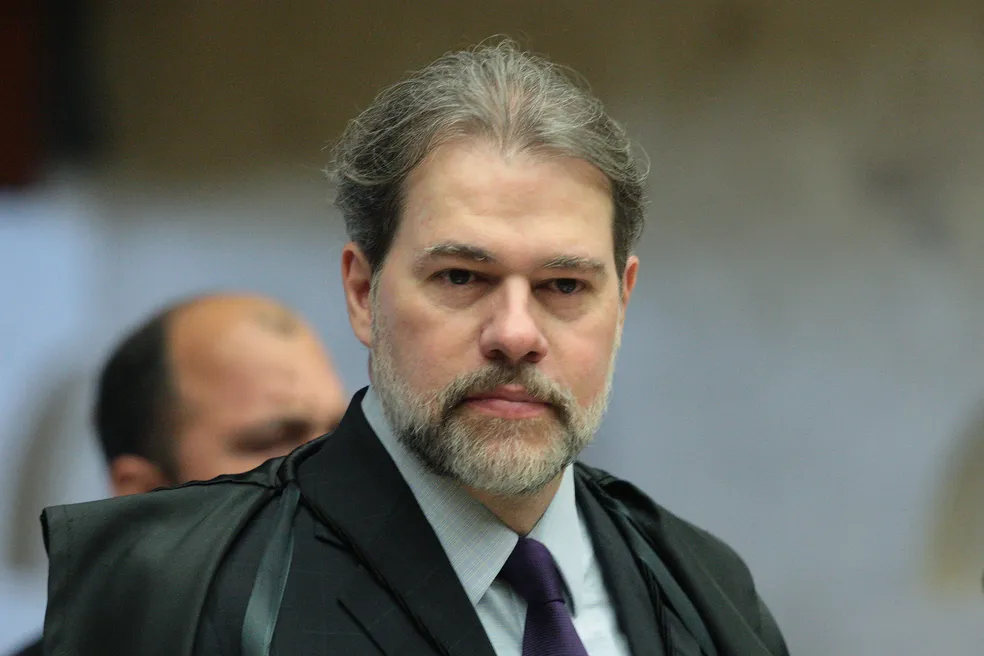
In a nation already weary of institutional clashes and corruption scandals, the recent actions of Brazilian Supreme Federal Court (STF) Justice Dias Toffoli in the Banco Master fraud case represent a new low for judicial integrity. What began as a probe into billions in alleged financial crimes—fraudulent credit issuance, money laundering, and market manipulation—has morphed into a spectacle of apparent judicial meddling, raising a fundamental question: How can a Supreme Court judge descend to such a shameful situation? From a conservative viewpoint, this isn’t just a personal failing; it’s a symptom of a broken system where political appointments breed activism over impartiality, eroding the rule of law that conservatives hold sacred.
The Banco Master case exploded into public view late last year when Brazil’s Central Bank ordered the extrajudicial liquidation of the mid-sized lender amid liquidity crises and regulatory violations. Federal Police investigations uncovered a web of deceit, with the bank’s owner, Daniel Vorcaro, and associates accused of siphoning funds into personal assets, manipulating markets, and laundering money through a criminal network. By early 2026, authorities had frozen over R$5.7 billion in assets, seized luxury vehicles, firearms, and cash, and executed search warrants across multiple states. This should have been a straightforward triumph for law enforcement—a crackdown on white-collar crime that protects everyday Brazilians from financial predators.
Enter Justice Toffoli. Appointed to the STF in 2009 by then-President Luiz Inácio Lula da Silva, Toffoli has long been viewed by conservatives as emblematic of leftist influence in the judiciary. In December 2025, he controversially pulled the case under STF jurisdiction, citing vague mentions of a federal lawmaker in the probe—a move critics decried as a pretext to shield powerful figures. But the real outrage came this January when Toffoli issued an order to seal and store seized evidence, including digital devices, directly at the Supreme Court rather than allowing the Federal Police immediate access. He lambasted the police for “inertia” in executing warrants, yet reports reveal the PF had requested those very actions months earlier. This wasn’t oversight; it looked like obstruction.
Conservatives see this as classic judicial activism: a judge overstepping into investigative roles that belong to the executive branch, potentially delaying justice and protecting insiders. Toffoli’s initial decision sparked backlash, including from Senator Rogério Marinho, who called it an “unconstitutional” power grab by the STF, which has no business “protecting” evidence from the very agencies tasked with enforcing the law. Even after Toffoli backtracked amid mounting pressure—revising his order to transfer materials to the Prosecutor General’s Office—the damage was done. The episode fueled opposition calls for his impeachment, alleging crimes of responsibility and conflicts of interest. Revelations that Toffoli’s brothers sold a multimillion-dollar stake in a resort to a fund linked to the investigated parties, and that he traveled on a private jet with one of the bank’s lawyers, only deepened suspicions of impropriety.
So, how does a Supreme Court justice reach this nadir? The answer lies in Brazil’s flawed judicial appointment process and the unchecked power of the STF. Unlike in the United States, where Supreme Court nominees face rigorous congressional scrutiny, Brazil’s system allows presidents to stack the court with ideological allies. Toffoli’s rise—from Lula’s legal advisor to Attorney General to STF justice—smacks of cronyism, prioritizing loyalty over merit. Once on the bench, justices enjoy lifetime tenure with minimal accountability; impeachment requires a supermajority in the Senate, a high bar in a polarized Congress. This breeds hubris, where judges like Toffoli feel emboldened to meddle in everything from banking regulations to police operations, often aligning with progressive or establishment interests against conservative reforms.
The STF’s expansionist tendencies undermine democracy by usurping legislative and executive powers. In the Banco Master saga, Toffoli’s actions not only delayed a critical fraud investigation but also rattled institutions like the Central Bank and Federal Police, creating rifts in the apparatus meant to combat corruption. It’s a shameful betrayal of the conservative ideals of limited government, separation of powers, and equal justice under the law. If judges can act as de facto investigators or shields for the elite, what hope is there for ordinary citizens facing the system’s injustices?
Brazil needs urgent reforms to restore faith in its judiciary—term limits for justices, stricter ethical codes, and a nomination process that demands bipartisan approval. Until then, cases like Banco Master will continue to expose the rot, reminding us that unchecked power corrupts absolutely. Justice Toffoli’s fall from grace isn’t an anomaly; it’s the inevitable result of a system conservatives must fight to fix, before the entire republic crumbles under the weight of such shame.