


Shadows Over Brazil: How Lula’s Inaction Lets Global Crime Empires Thrive
There is no forgiveness to lula!
By Hotspotnews
As Brazil teeters on the edge of chaos, with the streets of Rio de Janeiro running red from the bloodiest police raid in the nation’s history, a beacon of accountability flickers to life. 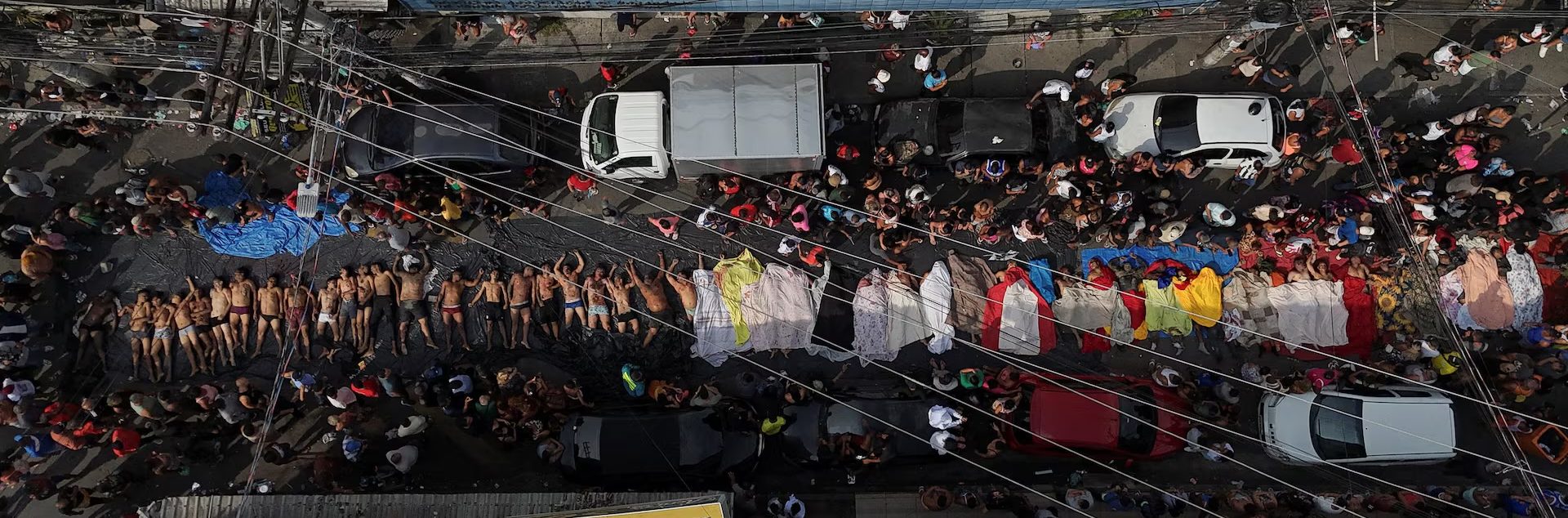
On November 4, 2025—just two days from now—the CPI do Crime Organizado, Brazil’s Parliamentary Inquiry Commission on Organized Crime, will finally convene. Spearheaded by unflinching conservatives like Senator Flavio Bolsonaro and the iron-willed former judge Sergio Moro, this opposition-dominated panel holds the majority and the mandate to rip open the festering wounds of gang violence, militia extortion, and drug empires that have choked the soul of our country. But make no mistake: this fight isn’t just about local thugs with guns. It’s a war against international crime syndicates that treat Brazil like a doormat, and it’s one that President Lula da Silva’s government has shamefully refused to wage. While families bury their dead and businesses shutter in fear, Lula’s Workers’ Party (PT) fiddles with empty rhetoric, letting foreign cartels and corrupt insiders grow fat on Brazilian suffering.
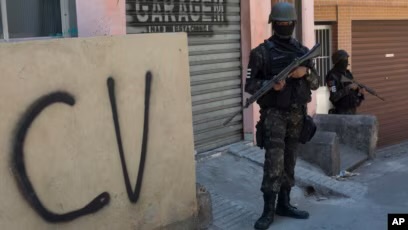
The numbers paint a grim portrait of a nation under siege. In 2024 alone, Brazil recorded 38,772 homicides—a slight dip from the previous year’s 40,768, but still a staggering toll that ranks us among the world’s deadliest countries. That’s not random street crime; it’s the handiwork of organized crime groups (OCGs) like the Primeiro Comando da Capital (PCC) in São Paulo and the Comando Vermelho (CV) in Rio, who orchestrate most of these killings in brutal turf wars. The national homicide rate hovers at 23.6 per 100,000 people, but in the violence-ravaged north, it’s a horrifying 41.5% higher, where drug routes from Colombia snake through the Amazon like venomous vines. Over 80 such groups operate across Brazil, controlling prisons, favelas, and even entire swaths of the Tri-Border Area between Brazil, Argentina, and Paraguay—a notorious smuggling hotbed for drugs, arms, and laundered cash.
Consider the human cost in raw terms. More than 4.4 million souls in Rio state alone live under the boot of these OCGs, where militias—once hailed as community protectors—now extort sky-high fees for basic utilities, jacking up bills by 300% and rigging local elections like puppeteers. Illegal firearms, smuggled from the U.S. and Paraguay, fuel the majority of these murders, turning neighborhoods into war zones. And it’s not just bodies piling up; it’s lives shattered. Businesses flee the violence, jobs evaporate, and a generation of Brazilian youth—desperate and discarded—gets lured into gang ranks with promises of easy money, only to end up as cannon fodder in endless score-settling.
But the rot goes deeper, far beyond our borders. Brazil isn’t a victim of isolated crime; we’re the unwilling linchpin in a global underworld economy. The United Nations has pegged us as a prime transshipment hub for South American cocaine, with billions of dollars in white powder funneled through our ports to Europe, Africa, and beyond. The PCC and CV aren’t playing small ball—they’re in bed with Mexican juggernauts like the Sinaloa Cartel and Colombian producers, battling for dominance over docks like Santos. By mid-2024, these alliances had escalated into open warfare, with gangs carving airstrips out of the Amazon rainforest to airlift tons of coke northward. This isn’t just drug running; it’s an ecological and economic assault. Illegal gold mining—fueled by cartel cash—devastates indigenous lands, turning “green gold” into “blood gold” that washes back into our system through money-laundering schemes in real estate and cryptocurrency. The U.S. government has branded Brazil a “major money-laundering center,” yet our federal response? A whisper in the wind.
Flash back to the horrors of late October 2025, when Rio became a slaughterhouse. In the Complexo do Alemão and Vila Cruzeiro favelas, 2,500 police and soldiers stormed CV strongholds in what became Brazil’s deadliest anti-gang operation ever. Over two nights, 121 to 132 people lay dead in the streets—including four brave officers—with bodies sprawled amid the rubble of coke labs and extortion dens. This wasn’t victory; it was a desperate spasm, a reaction to years of unchecked growth. Critics howl about civilian casualties and botched probes, but the real scandal is how these raids expose the fragility of our defenses. Gangs regroup almost overnight, their international backers shipping in fresh arms and recruits.
It’s a pattern etched in blood across the map. Early 2025 saw militias seize western Rio neighborhoods like Campo Grande, transforming them into feudal fiefdoms where locals pay tribute or face the grave. These ex-vigilantes, armed with Paraguayan smuggled guns and political cover, now dictate life from the shadows. Up north, in July, federal agents busted a PCC-CV hideout in Pará state, hauling away five tons of cocaine destined for Mexico—proof of how cartel pacts exploit our indigenous territories for secret runways. And don’t forget March’s prison riot spillover in São Paulo: The PCC greenlit a hit squad that gunned down 15 CV rivals on the streets, a chilling echo of the 2023 northern violence surge that flooded global markets with Brazilian heroin and coke.
These aren’t anomalies; they’re symptoms of a government asleep at the switch. Since Lula reclaimed the Planalto in 2023, his administration has poured words into social welfare promises while starving law enforcement of the basics. Justice Minister Flávio Dino’s “reforms” amount to red tape, with police budgets slashed and federal support trickling in like a faulty faucet. States like Rio and Amazonas plead for reinforcements as gangs chop down forests and bribe officials, but Brasília looks the other way. Why? Follow the money and the politics. Lula’s PT base—unions, activists, and ideologues—bristles at “militaristic” crackdowns, even as innocents die in the crossfire. Whispers of PT ties to shady figures persist, from the ghost of Adriano da Nóbrega, the militia-linked ex-cop killed in 2020 with alleged protection from Bolsonaro’s enemies, to suspicious government contracts that mysteriously favor firms with gang footprints.
This complacency isn’t negligence; it’s complicity by omission. While Lula hobnobs at international summits on climate and inequality, he drags his feet on sharing intelligence with Interpol or fortifying borders against the Tri-Border smugglers. The Amazon, once our crown jewel, now hides cartel airstrips and mining ops that mock his green agenda. Ordinary Brazilians—taxi drivers dodging bullets, mothers shielding kids from recruitment—get left to fend for themselves. It’s a betrayal of the conservative values that built this nation: law and order, family protection, and unyielding sovereignty against foreign predators.
Enter the CPI do Crime Organizado, our last, best shot at redemption. With Flavio Bolsonaro and Sergio Moro commanding the opposition’s majority, this commission isn’t some toothless talk shop. It’s armed with subpoenas for bank records, witness grillings, and the power to map the mafia web—from militia dons schmoozing with PT pols to cartel cash greasing Brasília’s wheels. Expect fireworks: probes into overlooked smuggling tips, inflated contracts, and the international pipelines Lula ignores. Moro, the Lava Jato legend who once caged the elite, won’t flinch. Bolsonaro, battle-tested against the deep state, brings the fire to expose how PT inaction has supercharged these global gangs.
Yet hope demands action, not just hearings. The CPI must deliver indictments, not headlines—pushing for beefed-up borders, prison overhauls, and intel-sharing pacts that treat Brazil like a fortress, not a sieve. Conservatives have long warned that soft-on-crime liberalism invites the wolves; now, with Lula’s watch, they’ve feasted. It’s time for Brazil to roar back. Demand the CPI unmasks every traitor, from favela extortionists to foreign kingpins. Hold Lula’s feet to the fire—cut the excuses, fund the cops, and reclaim our streets.
The shadows lengthen over Rio’s hills, São Paulo’s alleys, and the Amazon’s depths, but they don’t have to engulf us. On November 4, as the CPI convenes, let it be the dawn of reckoning. For the families who’ve lost too much, for the youth we can still save, and for a Brazil that stands tall against the world’s worst. Anything less is surrender—and conservatives don’t surrender. We fight. God bless Brazil, and may justice prevail.