

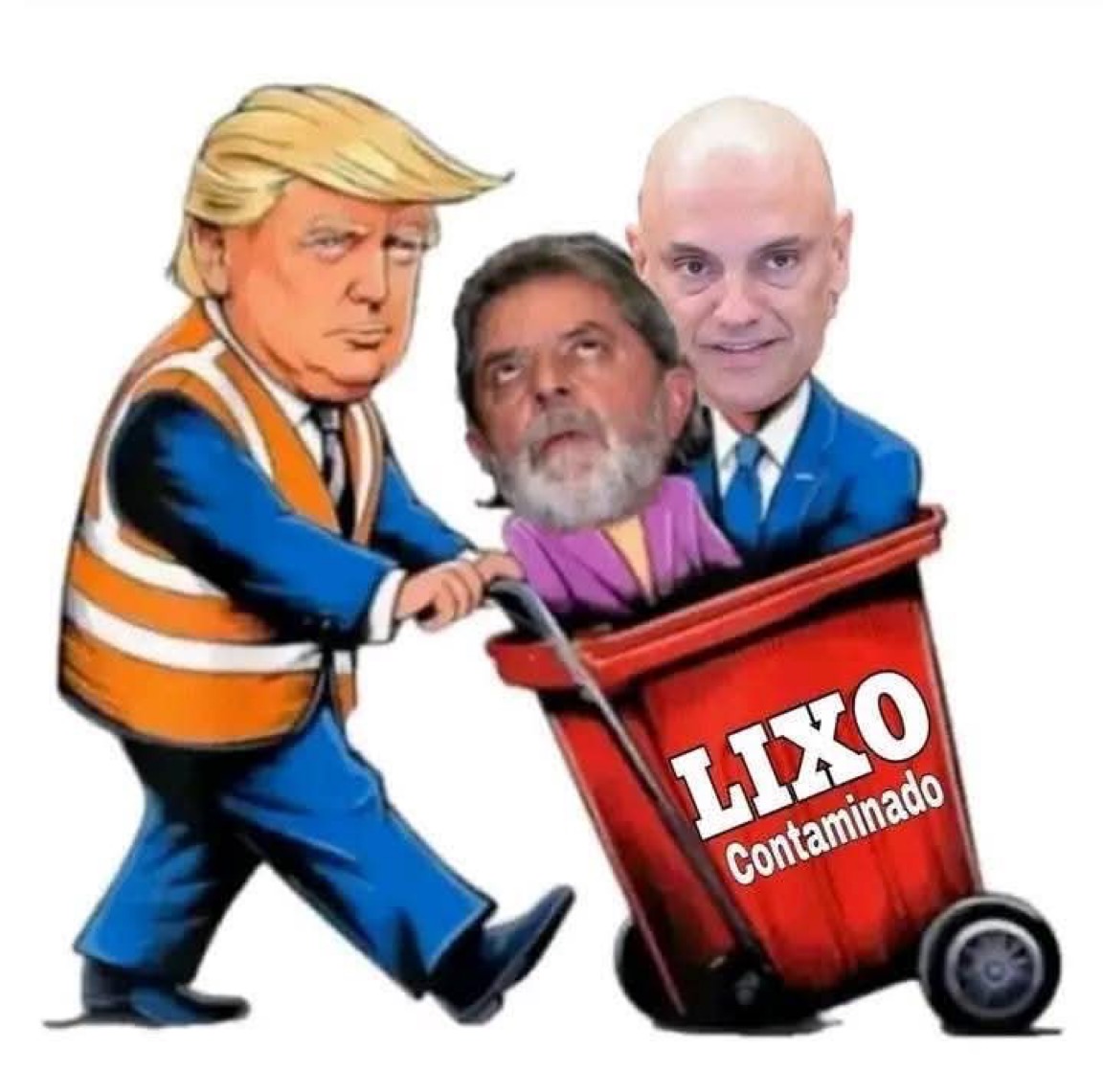

Brazil’s Crime Crisis: Lula’s Administration Turns Justice Upside Down By Hotspotorlando News
As of August 16, 2025, Brazil finds itself in the grip of a spiraling crime epidemic, with violent gangs like the CV and PCC extending their tentacles not only across the nation but into 12 American states, according to recent US reports. Yet, under President Luiz Inácio Lula da Silva’s administration, the response has been nothing short of disgraceful—a refusal to classify these criminal organizations as terrorists, coupled with a judicial system that seems to reward lawbreakers while punishing the innocent. This is not just negligence; it’s an inversion of values that threatens the very fabric of Brazilian society.
Crime in Brazil has reached alarming levels, with homicide rates hovering around 17.9 per 100,000 inhabitants in 2024—down from a decade-high but still a stark reminder of the nation’s struggle with violence. The proliferation of firearms, drug trafficking, and gang activity, particularly among younger members, has fueled this crisis. The recent dismantling of a fake taxi app used by the CV for drug trafficking in Rio de Janeiro on August 9, 2025, exposes the sophistication of these criminal networks. Yet, instead of a robust crackdown, the Lula government has dragged its feet, rejecting US pressure to designate these groups as terrorists on May 7, 2025. This decision, widely criticized by conservative voices like Eduardo Bolsonaro, suggests a troubling alignment with criminal interests over public safety.
The evidence of this administration’s failure is staggering. Take the shocking case of a drug dealer arrested with 545 kilograms of cocaine, only to be released by a judge’s order shortly thereafter. This isn’t an isolated incident but a pattern of leniency that undermines law enforcement efforts. Meanwhile, the government has turned its gaze inward, targeting law-abiding citizens and political opponents with arrests and prosecutions that reek of political persecution. Good people—patriots who advocate for order and security—are harassed, while criminals walk free, their sentences reduced or overturned with alarming regularity. This inversion of justice is a betrayal of the Brazilian people, who deserve a government that protects the innocent, not coddles the guilty.
Lula’s administration has prioritized political posturing over effective governance. By resisting international cooperation to combat these terrorist-like gangs, the president and his allies risk emboldening criminals who thrive on chaos. The historical context only deepens the irony: during Jair Bolsonaro’s presidency from 2019 to 2022, his administration faced accusations of ties to criminals, yet it at least attempted to confront the crime wave head-on. Under Lula, the rhetoric has shifted to excuses, with the government seemingly more interested in shielding its image than restoring order.
This is not merely a policy disagreement but a moral failing. A society where drug lords are released while honest citizens are persecuted is a society on the brink. The Lula administration’s refusal to act decisively against crime, coupled with its apparent willingness to punish those who uphold traditional values, signals a dangerous erosion of justice. Conservatives must demand a return to law and order, holding leaders accountable for protecting the nation rather than pandering to its lawbreakers. The time for action is now—before Brazil’s values are lost forever.