


Lula’s Authoritarian Crackdown: Brazil Bans Prediction Markets Just as Bolsonaro Surges Ahead
By Hotspotnews
In a blatant display of desperation and intolerance for inconvenient truths, Brazil’s leftist government under President Luiz Inácio Lula da Silva has moved swiftly to silence one of the last honest indicators of public sentiment: prediction markets. On April 24, 2026, the Conselho Monetário Nacional (CMN) issued a resolution effectively banning platforms like Polymarket and Kalshi from offering bets on political events, elections, sports, and other non-financial outcomes. The timing could not be more suspicious—or revealing.
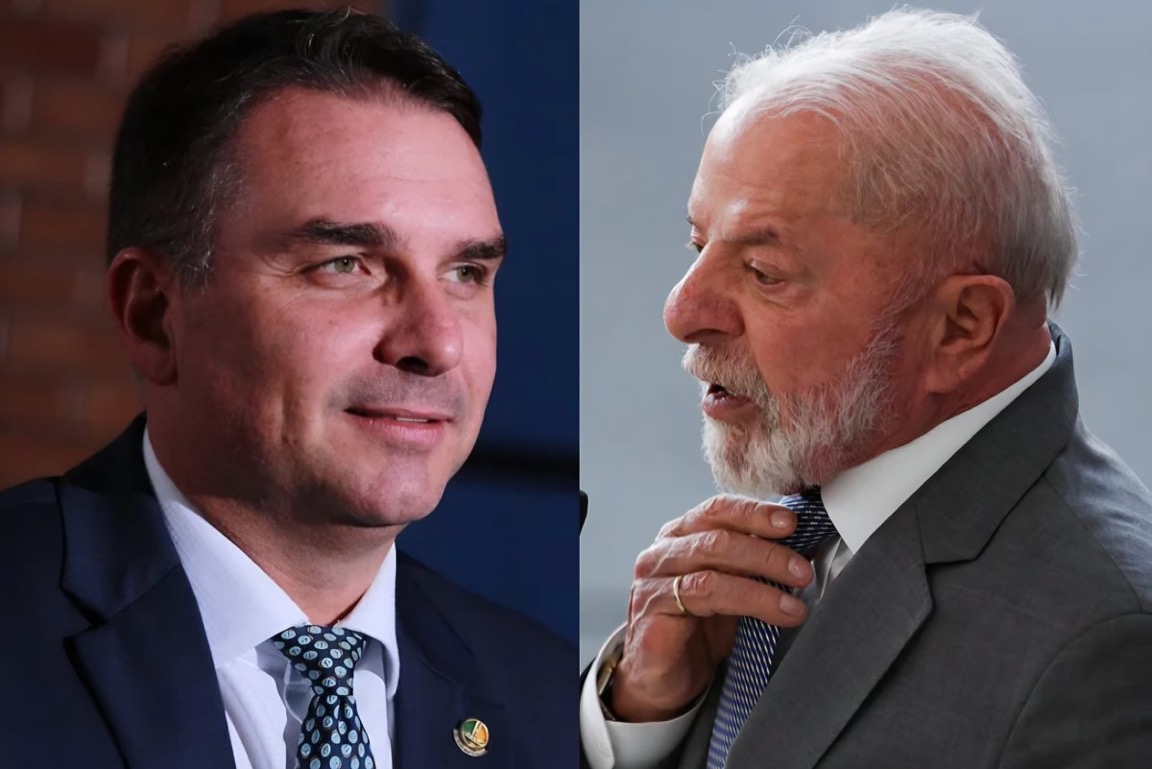
For months, Polymarket had become a thorn in the side of Lula’s administration. These decentralized markets, where real money from informed participants sets the odds, had shown Flávio Bolsonaro, the conservative senator and son of former President Jair Bolsonaro, closing the gap and even taking the lead over Lula in the 2026 presidential race. With tens of millions in trading volume, the crowd-sourced wisdom of bettors—unburdened by state-controlled polling firms or media spin—reflected growing frustration with Lula’s economic mismanagement, inflation, corruption scandals, and heavy-handed governance. Suddenly, as the momentum shifted toward a Bolsonaro resurgence, the regime acted.18
This is not neutral regulation. The CMN’s rule prohibits derivatives tied to “political, electoral, social, cultural, or entertainment” events, while conveniently allowing those linked to official economic indicators. In practice, it blocks Brazilians from accessing transparent forecasts that challenge the government’s narrative. Sites went dark for users in the country almost immediately, though tech-savvy citizens will undoubtedly turn to VPNs, as they have under previous censorship efforts. The measure, set to take full effect in early May, follows lobbying from licensed domestic betting operators who resented foreign competition—but its rushed implementation amid shifting election odds screams political protectionism.19
Conservatives have long warned that Lula’s Workers’ Party (PT) thrives on controlling information. From social media regulations and judicial overreach to now targeting betting platforms, the pattern is clear: suppress dissent, rig the narrative, and pretend “democracy” is under threat from the people themselves. Prediction markets have a strong track record globally for accuracy because they punish liars with real financial losses. They don’t care about legacy media polls or government propaganda. When Flávio Bolsonaro gained ground—fueled by widespread discontent over taxes, crime, and broken promises—the left could no longer tolerate the mirror these markets held up to their failing regime.
This ban reveals Lula’s deep insecurity. With Brazil’s economy cooling and voters remembering the relative stability and prosperity under Jair Bolsonaro, the PT machine is resorting to old tactics: censorship disguised as consumer protection. Licensed “bets” that funnel fees to the government remain untouched, while innovative, borderless platforms exposing electoral reality get the axe.
Brazilians deserve better than this paternalistic overreach. Free markets for ideas and forecasts are essential to liberty. Shutting them down won’t make Lula more popular—it will only fuel the fire of opposition. As the 2026 election approaches, expect more such maneuvers from a government that fears the truth more than it fears economic decline. The real “threat to democracy” isn’t foreign websites; it’s a ruling class willing to muzzle the people’s voice to cling to power.


