

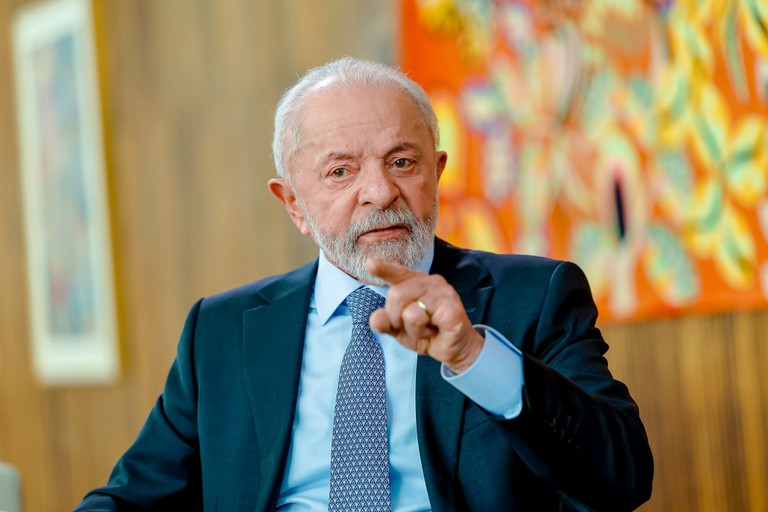

Lula’s Dangerous Dance with Dictators: A Conservative Perspective on Brazil’s Slide Toward Authoritarianism
By Hotspotnews
In a stinging January 21, 2026, op-ed published in The Hill, exiled Nicaraguan journalist and former ambassador Arturo McFields delivers a blistering indictment of Brazilian President Luiz Inácio Lula da Silva. McFields accuses Lula of positioning himself as a leading defender of tyrants and terrorists across the globe while hypocritically branding Israel as “genocidal.” The piece arrives at a moment when conservative observers in the Americas have grown increasingly alarmed by the Brazilian leader’s foreign policy choices, which appear to prioritize ideological solidarity with anti-Western regimes over democratic principles and regional stability.
McFields opens with a direct charge: Lula has consistently shielded authoritarian figures like Venezuela’s Nicolás Maduro from international accountability. Rather than joining calls for genuine democratic restoration in Caracas—where elections have been widely condemned as fraudulent and opposition leaders persecuted—Lula has downplayed Maduro’s abuses, framing criticism as unwarranted interference. This stance echoes the broader pattern of leftist governments in Latin America that reflexively rally around “anti-imperialist” rhetoric, even as their allies crush dissent at home.
The op-ed’s most damning evidence comes from recent events that underscore Lula’s deepening ties to the authoritarian axis of Russia, China, and Iran. Brazil’s decision to host China’s “Silk Road Ark” military hospital ship—a vessel that had previously docked in Nicaragua under the Ortega dictatorship—serves as a vivid symbol of this alignment. Far from a benign humanitarian gesture, the ship’s presence signals Beijing’s expanding military footprint in the Western Hemisphere, a development that directly challenges U.S. influence and regional security. Conservatives have long warned that China’s Belt and Road Initiative is less about infrastructure and more about strategic leverage; Lula’s warm welcome for the vessel only confirms those fears.
Equally troubling is Lula’s refusal to condemn the Iranian regime’s support for terrorist groups like Hamas, even as he levels inflammatory accusations against Israel. McFields highlights the contradiction: while Lula denounces Israeli actions in Gaza in the harshest terms, he remains conspicuously silent on Tehran’s sponsorship of proxy militias and its pursuit of nuclear capabilities. This selective outrage fits a familiar pattern among certain global leftists who view anti-American or anti-Western regimes through rose-tinted glasses, excusing their worst excesses in the name of multipolarity.
From a conservative standpoint, Lula’s approach represents more than mere diplomatic misjudgment—it embodies a moral and strategic failure. Brazil, as Latin America’s largest economy and a key NATO partner in spirit if not in treaty, should be a bulwark for freedom in the region. Instead, under Lula, the country increasingly aligns with powers that openly oppose democratic norms, free markets, and human rights. Hosting Chinese military assets, defending Maduro’s sham rule, and equivocating on Iran’s terror network all erode Brazil’s credibility as a responsible global actor and embolden adversaries who seek to displace American leadership in the hemisphere.
The op-ed’s timing is particularly poignant. With Maduro’s regime facing mounting pressure—including reports of potential external interventions—and the broader Latin American left showing signs of fracture, Lula’s choices stand out as a stubborn refusal to adapt to reality. Conservatives argue that true leadership demands moral clarity: standing with democratic forces against dictatorship, supporting allies like Israel in their fight against terrorism, and resisting the encroachment of revisionist powers like China and Russia.
McFields, writing from exile after breaking with Nicaragua’s own authoritarian regime, brings an authenticity that Lula’s apologists cannot easily dismiss. His warning should serve as a wake-up call—not just for Brazilians weary of their president’s radical drift, but for all who value liberty in the Americas. If Lula continues down this path, Brazil risks becoming not a regional leader, but a junior partner in an axis that threatens the very freedoms the West has long defended.
The stakes are clear: either Latin America’s democracies reclaim their moral compass, or the tyrants Lula so eagerly defends will continue to spread their shadow across the continent.