


Lula’s Elitist Bureaucracy Crushes Brazil’s Working-Class Motoboys While America Embraces Opportunity
By Hotspotnews
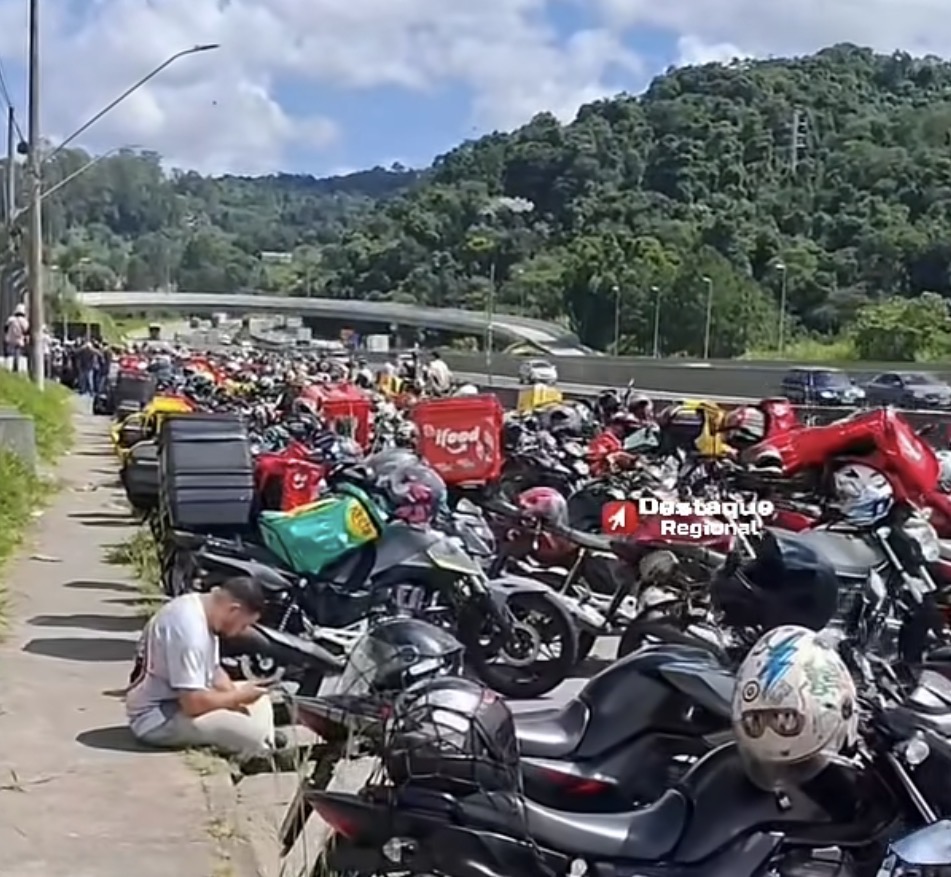
In the bustling streets of São Paulo, hardworking motorcycle delivery riders—known as **motoboys**—took to the avenues this week in a raw display of frustration. Blocking traffic and chanting “Lula não tem curso” (“Lula doesn’t have a course”), these gig economy warriors protested new Detran-SP enforcement rules requiring a mandatory theoretical written exam, practical training, minimum age of 21, and two years of prior licensing to continue earning a living.
https://www.instagram.com/reel/DWUV7HEk9by/?igsh=MWJ2bGNtN2JyZ3VqNg==
Many of these riders, who weave through chaotic urban traffic to deliver food and goods for apps like iFood and Rappi, face failure rates around 60% on the theoretical test. The added costs and short deadlines hit especially hard amid Brazil’s persistent inflation and economic pressures. Protesters demanded extended timelines, subsidized or free courses, and a higher minimum delivery fee—pointing out the irony that President Luiz Inácio Lula da Silva, who rose to power without formal higher education, now oversees a system demanding “credentials” from the very workers keeping the economy moving.
This isn’t just another regulatory hiccup; it’s a symptom of a left-leaning administration’s top-down approach that burdens the little guy with red tape while elites in Brasília preach about “safety” and “workers’ rights.” The rule, with roots in older legislation but aggressively enforced now, risks pushing thousands out of work in a sector where flexibility and hustle have long been lifelines for lower-income Brazilians. Instead of empowering individuals, it creates barriers that favor established players and government control.

Contrast this with the American system, where conservatism’s emphasis on limited government, personal responsibility, and free enterprise allows the gig economy to thrive with far less interference. In the United States, food delivery drivers for platforms like DoorDash, Uber Eats, or Grubhub operate under straightforward requirements: a valid driver’s license (with a motorcycle endorsement where applicable for two-wheelers), vehicle registration and insurance, a clean background check, and being at least 18–19 years old depending on the service and state. No nationwide federal mandate forces a costly theoretical exam or lengthy mandatory courses just to deliver a pizza on a motorcycle.
States handle licensing sensibly—focusing on basic road safety through existing DMV processes rather than layering on new bureaucratic hurdles tailored to gig workers. Cities like New York have introduced targeted e-bike safety rules or minimum pay ordinances, but these often place compliance burdens on the platforms themselves, not solely on independent contractors scraping by. Under recent shifts toward deregulation in the gig space, the focus remains on preserving contractor status, allowing workers the freedom to set their own hours, scale their efforts, and build side hustles without jumping through endless government hoops.
America’s approach recognizes that overregulation kills jobs and innovation. When bureaucrats in Washington tried heavy-handed rules during prior administrations, pushback from conservative principles helped roll back mandates that treated independent drivers like traditional employees. The result? Millions of Americans—from immigrants to students to retirees—use delivery gigs as flexible income sources, with market competition and personal accountability driving improvements in safety and service. Riders invest in their own training and equipment because it makes economic sense, not because a distant capital demands it.
In Brazil under Lula, the pattern is familiar: promise protections for the working class, then deliver more bureaucracy that disproportionately hurts the very people it claims to help. The motoboys’ protest exposes the hypocrisy—demanding qualifications from street-level entrepreneurs while the political class operates on connections and rhetoric. Safety on crowded roads matters, but punishing compliance failures with lost livelihoods isn’t compassion; it’s control. Free courses offered in response feel like a reluctant Band-Aid after the damage.
True conservatism champions the dignity of work through opportunity, not mandates. Brazil’s motoboys deserve the same chance American gig workers enjoy: lighter government footprints that reward initiative over paperwork. As elections loom, this flare-up should remind voters that heavy-handed “progress” often means fewer deliveries, higher costs for consumers, and more families struggling—while the powerful remain untouched. The solution lies not in more exams, but in unleashing the entrepreneurial spirit that built vibrant economies on both sides of the equator.