


Mendonça’s Stand: A Rare Glimmer of Accountability in Brazil’s Endless Corruption Carousel
By Hotspotnews
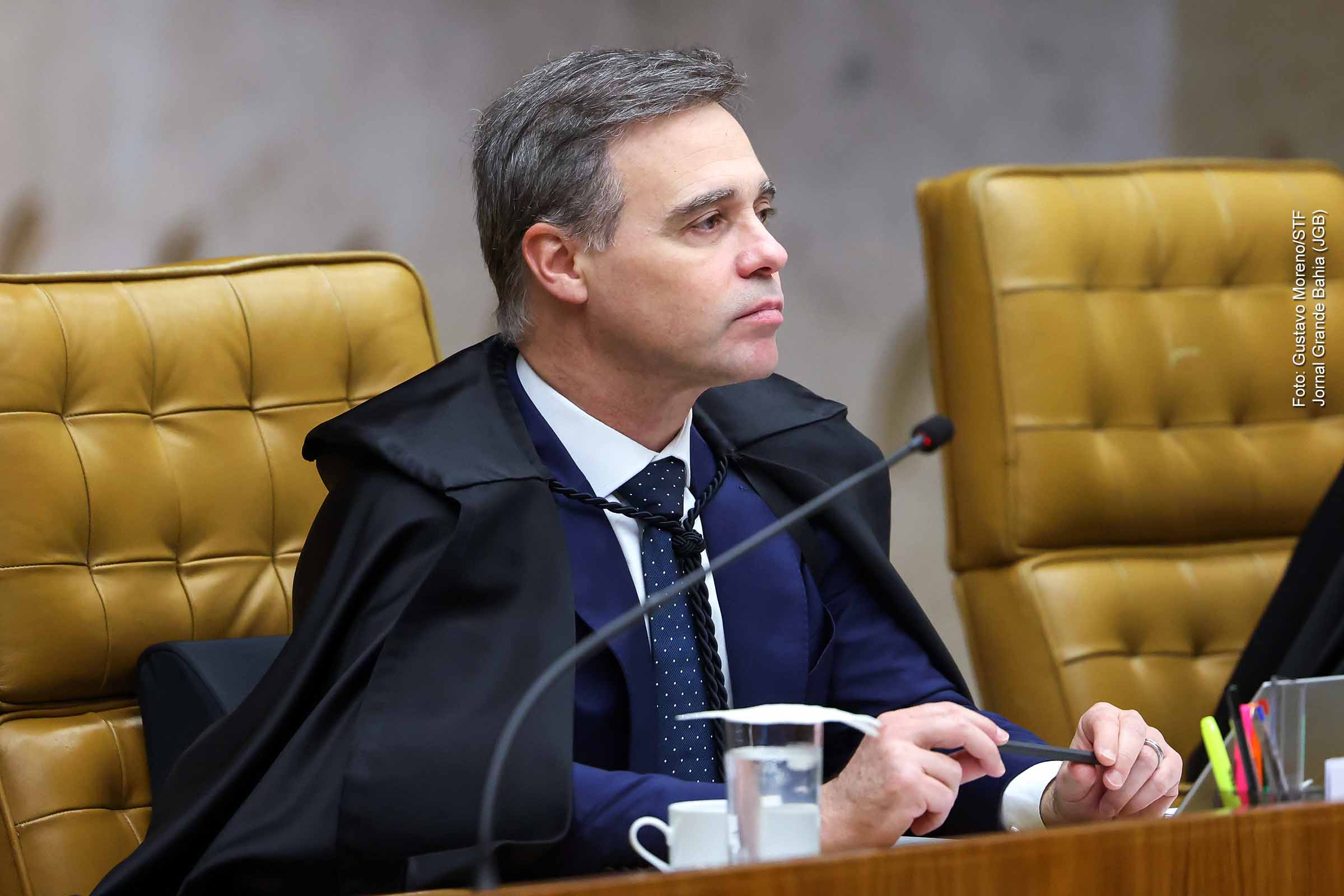
In a nation where scandals routinely fade into the fog of political protection rackets, Supreme Federal Court (STF) Minister André Mendonça is drawing a firm line in the Banco Master fraud case. According to recent reports, Mendonça, serving as rapporteur, has signaled he will not rubber-stamp banker Daniel Vorcaro’s proposed plea bargain. Instead, he demands concrete proof that the deal advances the Federal Police investigation and delivers substantial financial restitution to victims.
This cautious approach stands in refreshing contrast to the revolving-door justice that has long plagued Brazil’s institutions. Vorcaro, the founder and key figure behind Banco Master, faces allegations of orchestrating massive schemes involving fraudulent INSS loan operations, fictitious credit portfolios, accounting manipulations, influence peddling, and money laundering. The alleged damage runs into tens of billions of reais, with the Credit Guarantee Fund (FGC) left holding the bag for much of the shortfall — ultimately burdening Brazilian taxpayers and honest depositors.
Federal Police evidence reportedly shows Vorcaro lavished around R$60 million on lavish events for politicians and authorities in Europe and the United States. Such expenditures raise troubling questions about how deeply entrenched corruption has become, where access to power is allegedly purchased with ill-gotten gains funneled through elite networking and influence operations. The scandal has tentacles reaching across the Executive, Legislative, and Judicial branches, threatening to expose uncomfortable ties that transcend partisan lines.
Mendonça’s insistence on verification — cross-checking Vorcaro’s statements against existing police findings on dates, names, and evidence — reflects a principled demand for substance over spectacle. As a jurist with expertise in asset recovery from corruption cases, he rightly prioritizes locating and reclaiming the missing billions over hasty deals that might shield the powerful. In plea bargains, too often the focus shifts to naming names for reduced sentences while the money vanishes into offshore accounts or political slush funds. Requiring real restitution puts victims and the public first.
Conservatives have long warned that Brazil’s justice system, particularly the STF, risks becoming an unaccountable super-power prone to selective enforcement and protection of insiders. While some may view Mendonça’s rigor as merely procedural, it underscores a deeper truth: true rule of law requires skepticism toward self-serving confessions from those who profited most from systemic rot. Automatic approvals invite abuse, allowing the corrupt to trade partial truths for leniency while the full scope of elite complicity remains buried.
The Banco Master collapse is more than a banking failure; it exposes regulatory lapses, cozy relationships between financiers and officials, and the high cost of cronyism. With Vorcaro negotiating under the shadow of arrest and prolonged investigations, Mendonça’s stance sends a message that plea deals must serve justice, not convenience. Brazilians weary of billion-real scandals that end in slaps on the wrist and recycled politicians deserve nothing less.
In an era of eroded public trust, demanding evidence, restitution, and real investigative progress is not obstruction — it is the bare minimum of conservative governance: accountability for the powerful, protection for the productive, and recovery for those robbed by the system. Whether this holds amid Brasília’s pressure cooker remains to be seen, but Mendonça’s reported resolve offers a timely reminder that justice should not be for sale.