



Milei’s Principled Stand: Argentina Withdraws Ambassador as Lula’s Thin Skin Isolates Brazil
By Hotspotnews
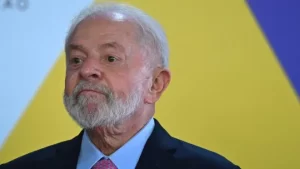
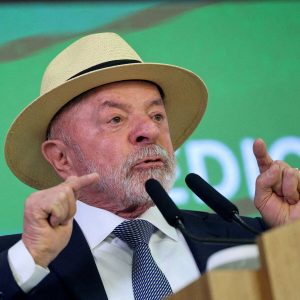
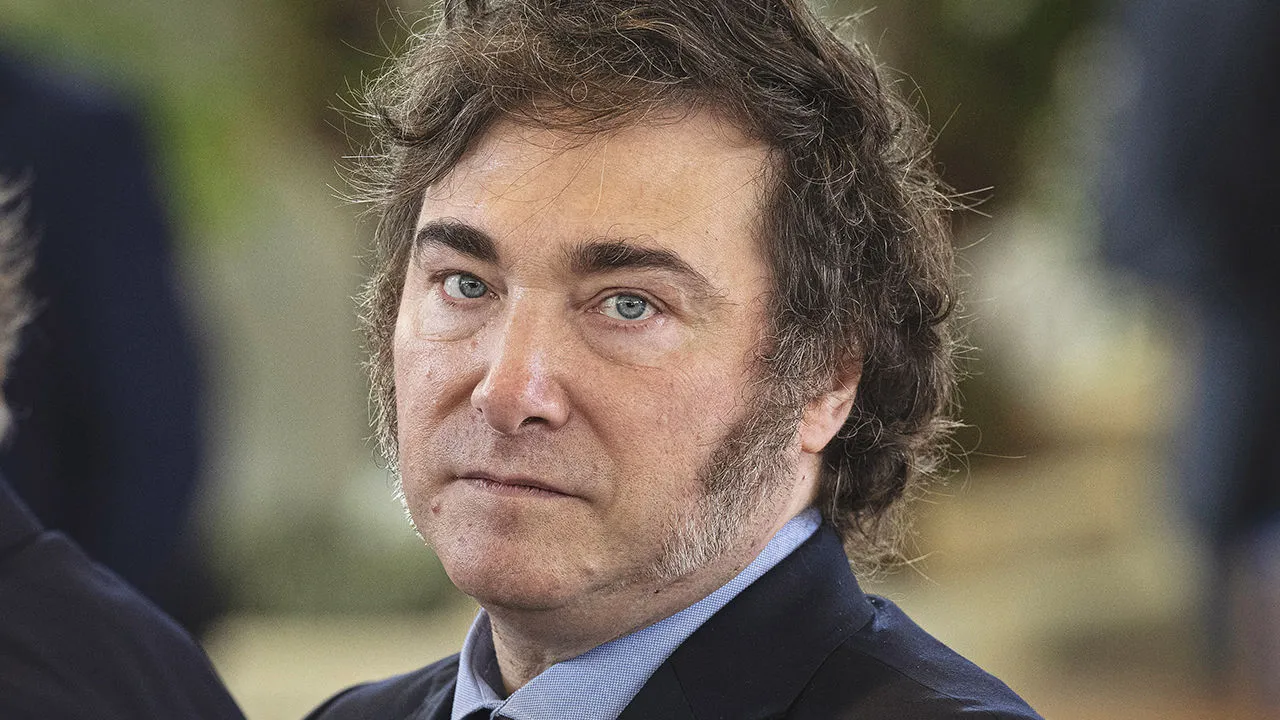
In a pointed response to the Brazilian government’s self-inflicted diplomatic wound, Argentine President Javier Milei is withdrawing his country’s ambassador from Brasília. The move follows President Luiz Inácio Lula da Silva’s decision to downgrade bilateral relations to the level of chargés d’affaires—an unprecedented step between South America’s two largest economies that effectively isolates Brazil from its free-market neighbor.58
The sequence of events is straightforward. In late July, Milei traveled to São Paulo to support Flávio Bolsonaro’s presidential candidacy. There, and in subsequent interviews, the Argentine leader spoke plainly about Lula’s record: a former convict whose corruption convictions were later annulled on procedural grounds, a politician whose governments have been synonymous with graft, and a figure advancing socialist policies that have repeatedly failed Latin America. Milei called things by their names—“thief,” “corrupt,” “ex-convict”—while criticizing the Brazilian judiciary’s role in sidelining Jair Bolsonaro.2
Rather than engage the substance, Lula’s government treated honest criticism as an “afront.” It recalled Brazil’s own ambassador from Buenos Aires, informed Argentina’s envoy that relations would be handled at a lower level, and made clear that full ambassadorial ties would resume only when Milei stopped speaking inconvenient truths. Argentina has now reciprocated by having its ambassador, Daniel Raimondi, depart Brazil this Sunday.58
This is not reciprocity in the classical diplomatic sense; it is the logical consequence of Lula’s hypersensitivity. Milei’s Argentina has pursued radical fiscal responsibility, deregulation, and a rejection of the Kirchnerist playbook that once mirrored Brazil’s PT excesses. Inflation is being tamed, markets are responding, and the country is aligning with classical liberal principles rather than the statist model Lula champions. For a Brazilian left that still romanticizes failed experiments from Caracas to Havana, such success next door is intolerable—especially when paired with open support for the Bolsonaro family’s challenge to Lula’s reelection bid.
The practical costs will fall disproportionately on Brazil. Argentina remains a critical trading partner within Mercosur. Downgrading diplomatic channels complicates everything from commercial disputes to regional coordination at a moment when global supply chains and commodity markets demand pragmatic cooperation. Lula’s government has already strained ties elsewhere through ideological posturing; isolating itself from a reforming Argentina only accelerates Brazil’s regional marginalization.
Conservatives should recognize this episode for what it is: a clash between truth-telling and institutional fragility. Milei did not invent Lula’s past or the pattern of PT scandals. He simply refused to pretend otherwise while campaigning for a Brazilian alternative that prioritizes liberty, property, and limited government. In an era when left-leaning administrations increasingly equate criticism with aggression, Milei’s refusal to self-censor is a reminder that free societies require robust debate, not diplomatic tantrums.
Brazil’s voters will decide in October whether they prefer the continuity of Lula’s model or a course correction. Until then, the ambassador’s departure underscores a basic reality: neighbors who respect sovereignty and free speech can disagree without rupture. Those who demand ideological conformity while punishing candor end up alone. Milei has chosen the former path. Lula has chosen the latter—and Brazil is poorer for it.


