



Moraes’ Latest Power Play: Silencing the Opposition with an AI Ultimatum ‘
By Hotspotnews
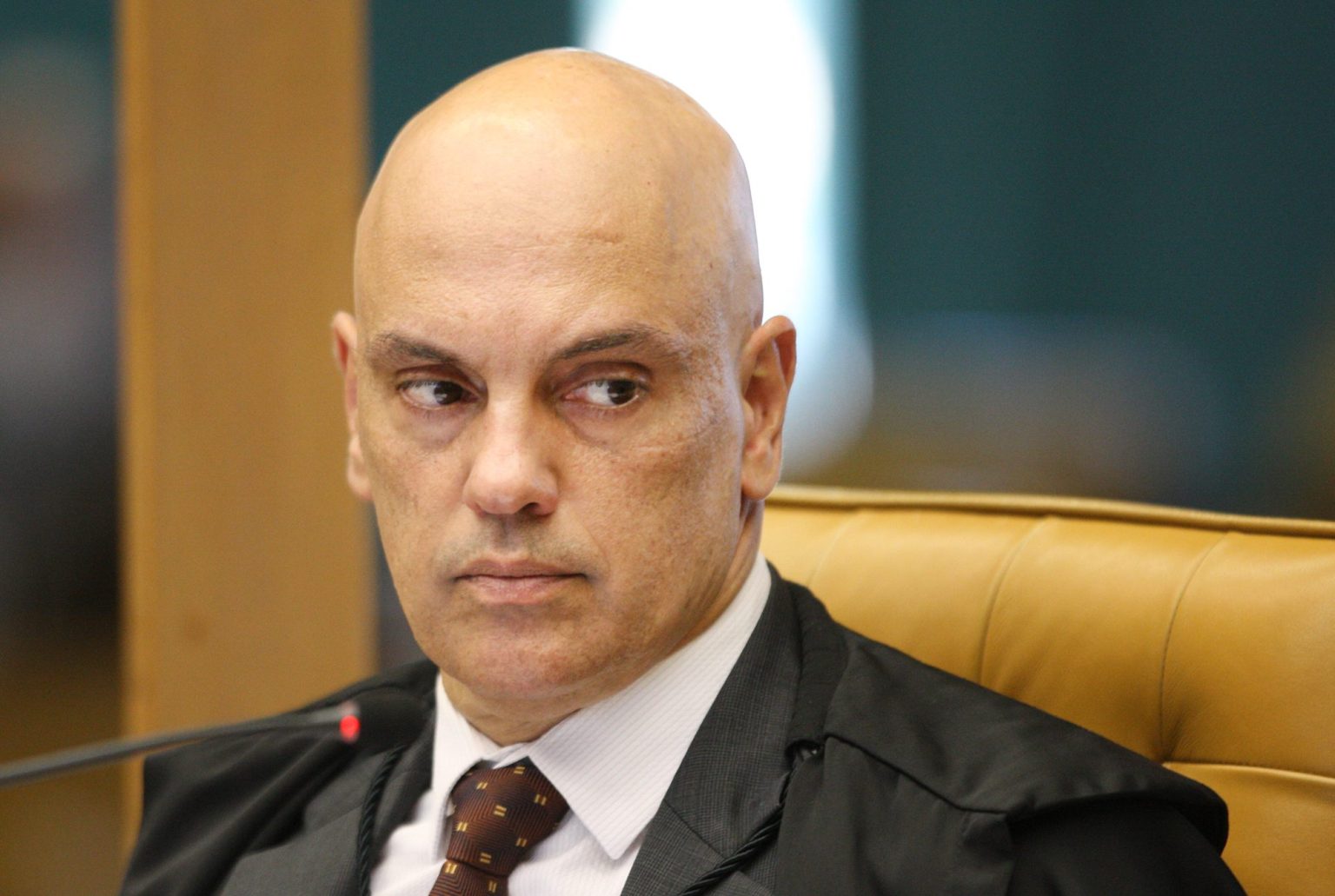
Brazilian Supreme Court Justice Alexandre de Moraes has once again demonstrated why many conservatives view the judiciary as the true center of political power in Brazil. In a decision issued this week, Moraes gave Jair Bolsonaro’s defense just 48 hours to declare whether the former president authorized an AI-generated video shown at the PL party convention that launched Flávio Bolsonaro’s presidential candidacy.
The video is straightforward campaign material. An AI recreation of Bolsonaro appears, acknowledges it is a simulation, and urges supporters to back his son. It is the kind of creative political communication now common in democracies that still value free speech. Yet Moraes frames it as a potential crime: either Bolsonaro violated the severe restrictions placed on him while under house arrest, or Flávio and the PL engaged in an illegal “deepfake.”
This is classic Moraes. The same minister who has expanded his authority over social media, frozen bank accounts, and imposed speech restrictions now inserts himself into an electoral matter already before the Superior Electoral Court. The TSE rapporteur, Minister Kassio Nunes Marques, had already signaled that using AI for campaign purposes is lawful so long as it is not employed to attack or deceive. Moraes appears uninterested in that distinction. He prefers to keep the Bolsonaro family under constant legal threat.
Conservatives have long warned that Brazil’s institutions are being weaponized. Bolsonaro was barred from office, confined to house arrest under conditions that limit political expression, and now faces the possibility of returning to closed prison simply because an AI image of him endorsed his own son. Meanwhile, the rules on synthetic media seem to be applied selectively. The same technology that draws harsh scrutiny when used by the opposition is treated more leniently when it serves other narratives.
The practical effect is clear. Political competition is chilled. Candidates associated with Bolsonaro must navigate a minefield of judicial orders that ordinary political actors do not face. An AI endorsement becomes evidence of “transgression.” A father’s public support for his son becomes a potential grounds for harsher imprisonment. This is not neutral application of the law. It is the continuation of a pattern in which one justice exercises outsized influence over both criminal and electoral outcomes.
Free societies allow vigorous campaigning, including new technologies. They do not treat political speech by the opposition as inherently suspect. Moraes’ 48-hour demand is less about clarifying facts than about keeping pressure on Bolsonaro and his family at a critical moment in the electoral calendar. Brazilian conservatives are right to call it what it is: another exercise of concentrated judicial power that undermines competitive democracy.


