




Multiple Countries Hit by Earthquakes as Seismic Activity Continues Worldwide’
By Hotspotnews
On July 28, 2026, a series of earthquakes struck different parts of the globe, underscoring the ongoing risks faced by seismically active regions. While Japan dealt with a powerful magnitude 7.1 tremor in its Kumamoto Prefecture that caused significant damage, injuries, and infrastructure failures, other nations also experienced notable seismic events the same day.
In northwest China’s Qinghai Province, two moderate earthquakes jolted Xinghai County in quick succession. A magnitude 5.7 quake struck first around 11:16 a.m. local time, followed just 18 minutes later by a magnitude 5.8 event. Both occurred at a shallow depth of about 10 kilometers in a remote, high-altitude area roughly 244 kilometers from the provincial capital of Xining. Residents in Xining felt noticeable tremors, but Chinese authorities reported no immediate casualties, building collapses, or major disruptions. Emergency response teams were quickly dispatched to the epicenter area, and officials described the overall situation as stable with public order maintained.
These Chinese quakes came amid a broader pattern of global seismic activity. Offshore near Mexico’s Chiapas region, a magnitude 5.9 earthquake occurred as part of an aftershock sequence following a larger magnitude 7.3 event earlier in July. That earlier Mexican quake had already caused damage to hundreds of homes, several schools, and public buildings across multiple municipalities, though fatalities remained limited thanks in part to preparedness measures and evacuations. Additional moderate tremors were recorded in areas including Russia’s Kamchatka region and Iceland.
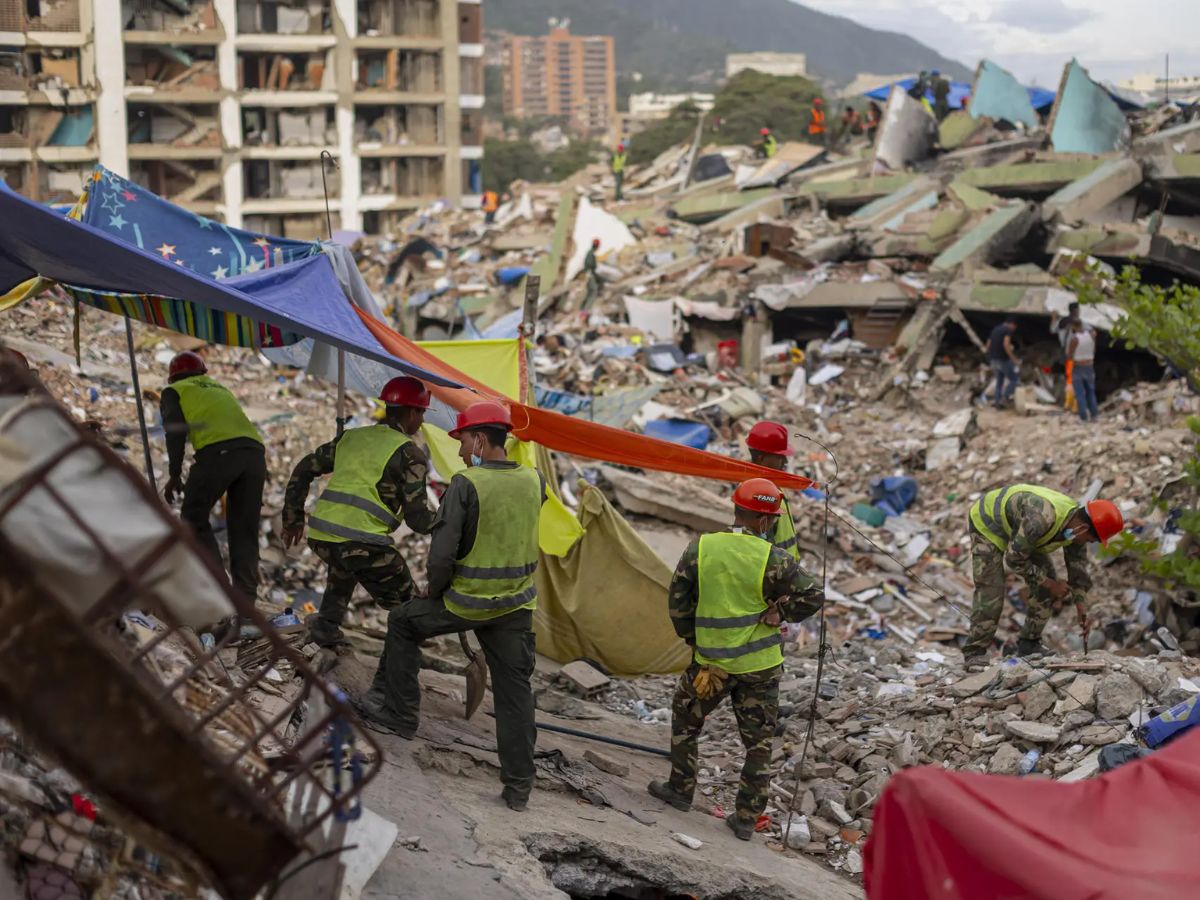
Japan’s event remained the most severe of the day. The shallow quake near Uto in Kumamoto Prefecture registered the highest intensity level on Japan’s seismic scale in some locations. Aerial assessments revealed fires, collapsed bridge sections, derailed trains, damaged roads, power outages affecting tens of thousands of households, and structural failures including at a shopping complex where people were trapped. Local fire and police services continued evaluating the full extent of the impacts as rescue and recovery efforts progressed.
Earthquakes of this nature are driven by the movement of tectonic plates. Japan sits on the highly active Pacific Ring of Fire, while China’s Qinghai region lies near complex fault systems on the Tibetan Plateau. Mexico’s southern coast is also part of a subduction zone prone to large events and aftershocks. Such activity is common, yet the timing of multiple events across continents in a short period serves as a reminder of the need for robust building standards, early warning systems, and public preparedness.
Authorities in the affected countries continue monitoring for aftershocks, which can pose additional risks in the hours and days following a main event. Residents in seismically active zones are urged to follow local guidance on safety measures, secure homes where possible, and stay informed through official channels. While many of the recent tremors caused limited harm due to location or intensity, the Japan quake demonstrated how even well-prepared nations can face serious challenges when strong shaking occurs near populated areas.
Seismic monitoring networks around the world track these events in real time, providing data that helps scientists better understand fault behavior and improve future forecasting and response capabilities. As assessments continue in Japan, China, Mexico, and elsewhere, the focus remains on supporting those affected and reinforcing resilience against future earthquakes.


