


No One Is Above the Law
By Hotspotnews-Facts checked by @grok
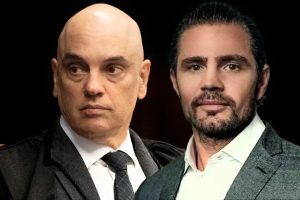
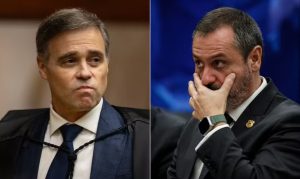
On Tuesday, Supreme Court Justice André Mendonça ordered the preventive removal of Federal Police Director-General Andrei Rodrigues and Intelligence Director Leandro Almada. The decision followed internal PF intelligence reports that, according to the court, documented systematic monitoring of Mendonça himself and of Attorney General Jorge Messias for more than 30 days.
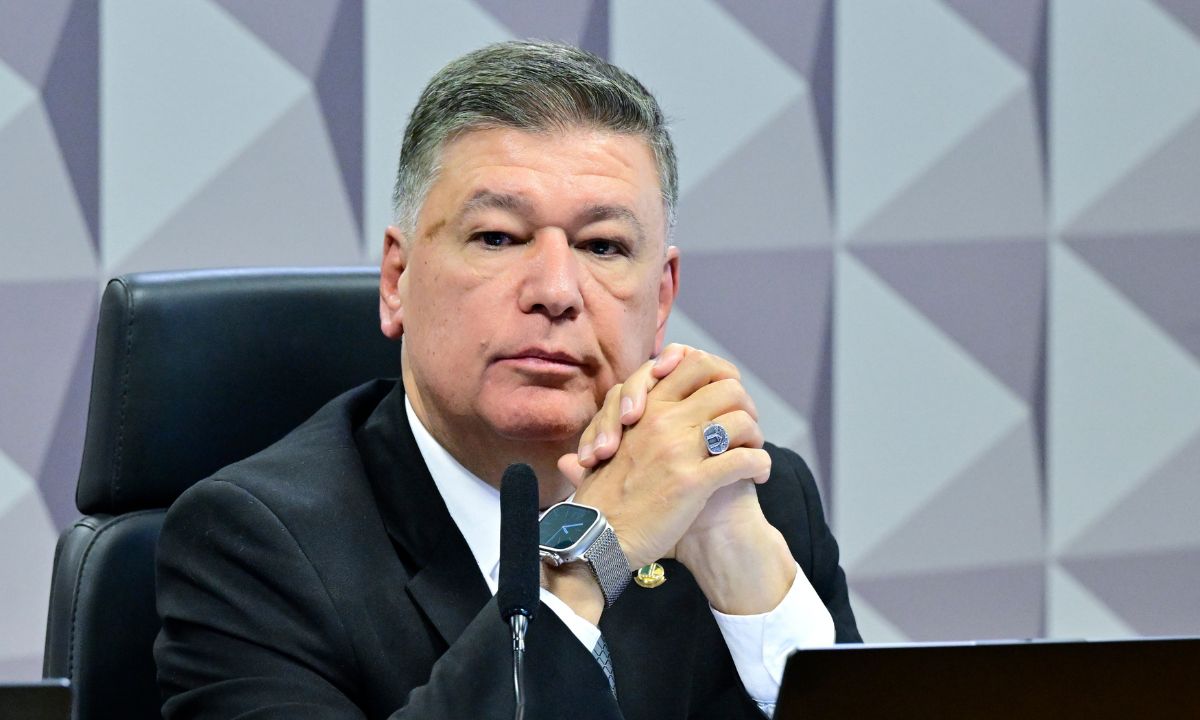
Senator Carlos Viana of Minas Gerais, president of the joint parliamentary inquiry into INSS fraud, responded within hours. He filed a package of formal requests in the Senate: production of documents, orders, authors, and recipients of the intelligence material from the Ministry of Justice; a summons of the Justice Minister; an urgent hearing with PF intelligence officials; preservation of records and access logs; and a formal demand that Senate President Davi Alcolumbre convene the Board and party leaders for an institutional response.
Viana later went further. He protocolled a request for immediate criminal investigation and preventive arrest of Rodrigues. Removal from office, he argued, does not close the matter. The country needs to know who ordered the reports, who produced them, who received them, and for what purpose they were used.
That request for preventive arrest is a powerful demonstration. It treats the alleged use of state intelligence against a sitting Supreme Court justice as a question of criminal responsibility, not merely an internal personnel dispute. In a republic, the power to investigate cannot become a shield for those who hold it.
The Lula government announced it would appeal to restore Rodrigues quickly. Viana contrasted that haste with the absence of answers about the origin and circulation of the reports. A majority of the Supreme Court, including Justices Luiz Fux and Nunes Marques, has already accompanied Mendonça’s removal order.
The episode sits inside a larger investigation. Mendonça is the rapporteur of the Banco Master and INSS cases. Viana has led the congressional inquiry into the same scheme that diverted money from retirees. The clash is therefore not abstract. It raises a concrete institutional question: whether federal intelligence was used to map and pressure the judge and the legislative inquiry examining that scheme.
The Senate has constitutional tools. It can summon ministers, demand documents, and require public explanations. Viana called on voters to press their own senators while they are in Brasília this week. Silence from the House would amount to watching a confrontation between the judiciary and the federal police from the sidelines.
The facts so far are these: a Supreme Court justice says he was monitored by the police under his own investigation; that justice removed the police leadership; a senator who has worked with him on the same cases now demands documents, hearings, and the preventive detention of the removed director-general; and the executive wants that director restored before those answers are given.
A conservative reading of the Constitution is straightforward. Intelligence services exist to protect the state, not to compile dossiers on judges conducting lawful investigations. The Senate exists to oversee the executive, not to wait for the next headline. Preventive arrest, if the legal requirements are met, is the instrument the law provides when there is risk of interference with evidence or repetition of the conduct. Using that instrument is not theater. It is a test of whether institutions still believe no one stands above the law.
#Senado #PoliciaFederal #STF #EstadoDeDireito #NinguemAcimaDaLei #CPMIdoINSS
Sources: official posts by Senator Carlos Viana on 8 September 2026; reporting by Correio Braziliense, G1, and related coverage of Justice André Mendonça’s removal order and the subsequent Senate filings.


