



Cardinal Robert Francis Prevost Elected as Pope Leo XIV, First American Pontiff**
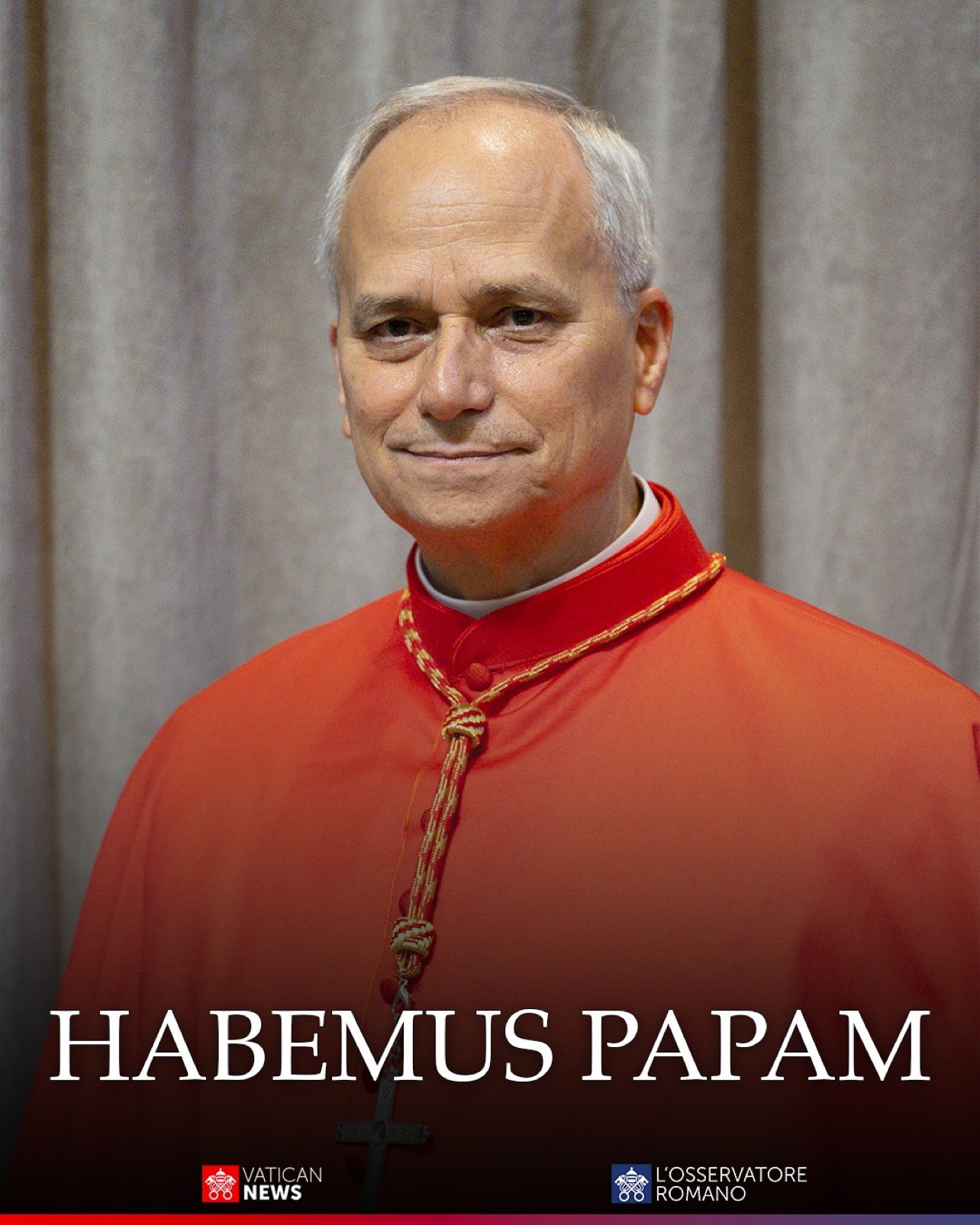
Hotspot News. Vatican City, May 8, 2025* – In a historic moment for the Roman Catholic Church, the College of Cardinals has elected Cardinal Robert Francis Prevost, O.S.A., as the 267th pope, who has taken the name Pope Leo XIV. The announcement came today as white smoke billowed from the Sistine Chapel’s chimney, signaling the successful conclusion of the conclave that began on May 7, following the death of Pope Francis on April 21, 2025. Prevost, a 69-year-old American, becomes the first pope from the United States, marking a transformative milestone in the Church’s 2,000-year history.
The election was formally announced from the balcony of St. Peter’s Basilica by Cardinal Protodeacon Dominique Mamberti, who declared to the jubilant crowd in St. Peter’s Square: “I announce to you a great joy; we have a Pope: The Most Eminent and Most Reverend Lord, Lord Robert Francis, Cardinal of the Holy Roman Church Prevost, who has taken the name Leo XIV.” Cheers erupted as thousands of faithful, gathered under cloudy Roman skies, celebrated the news.
A New Era for the Church
Pope Leo XIV’s election is seen as a bridge between continuity and change. Born in Chicago, Illinois, Prevost brings a unique perspective shaped by his global experience. A member of the Augustinian order, he served as a missionary in Peru for many years, fostering a deep connection to Latin America, a region dear to his predecessor, Pope Francis. Since 2023, Prevost has been the prefect of the Dicastery for Bishops, a powerful Vatican role overseeing the selection of bishops worldwide, giving him intimate knowledge of the Church’s global leadership.
The Historic Significance of an American Pope
The election of an American as pope is a watershed moment, breaking a centuries-long tradition of predominantly European pontiffs. Prevost’s rise to the papacy reflects the growing influence of the United States in global Catholicism, home to over 70 million Catholics and significant Church resources. His American background, rooted in the diverse and dynamic city of Chicago, brings a fresh lens to the Vatican, with many hoping he will address global issues like inequality and cultural polarization with a distinctly American sense of pragmatism and optimism. “An American pope is a sign that the Church is listening to the whole world,” said Sister Clara Martinez, a nun from New York who traveled to Rome for the conclave. “It’s a bold step toward universality.”
A Papabile Rises
Prevost emerged as a leading candidate, or “papabile,” in the days leading up to the conclave, noted for his moderate stance and ability to navigate the Church’s diverse factions. With 108 of the 133 voting cardinals appointed by Pope Francis, many expected a pope who would continue his emphasis on mercy, inclusivity, and outreach to the marginalized. Prevost’s multilingual skills, pastoral experience, and administrative acumen made him a compromise choice in a conclave reportedly divided between progressive and traditionalist voices.
However, his election is not without challenges. Some critics have raised concerns about Prevost’s handling of clergy abuse cases during his tenure in Peru and as a Vatican official, though supporters argue he has worked to implement stricter accountability measures. Additionally, his American nationality sparked debate, as some cardinals historically hesitated to elect a pope from a global superpower due to geopolitical implications. Prevost’s supporters countered that his global experience transcends national identity, positioning him as a universal pastor.
The Conclave’s Deliberations
The conclave, one of the largest in history with 133 cardinal electors from 70 countries, was marked by intense anticipation. Black smoke emerged from the Sistine Chapel on May 7 and early May 8, indicating that no candidate had secured the required two-thirds majority in the initial ballots. The breakthrough came on the second day, with Prevost reportedly gaining momentum as a unifying figure. The secrecy of the conclave ensures that the exact dynamics remain unknown, but the swift election—likely within five ballots—suggests a strong consensus.
Looking Ahead
As Pope Leo XIV steps onto the world stage, he inherits a Church navigating complex challenges: declining vocations in the West, growing secularism, demands for greater inclusion of women, and the ongoing need to address the clergy abuse crisis. His global perspective, shaped by years in Peru and Rome, may guide his approach to fostering unity in a polarized world. Early indications suggest he will prioritize synodality—a collaborative model of Church governance championed by Francis—while addressing calls for clarity on doctrinal matters.
In St. Peter’s Square, reactions were overwhelmingly positive. Maria Gonzalez, a pilgrim from Mexico, said, “An American pope! It’s a sign the Church is truly universal.” Meanwhile, Father James O’Connell, a priest from Dublin, expressed hope that Leo XIV would “build on Francis’s legacy of compassion while bringing stability.”
Pope Leo XIV is expected to deliver his first blessing, *Urbi et Orbi* (“to the city and the world”), later today from St. Peter’s Basilica. His inaugural Mass and formal installation will follow in the coming days, setting the tone for a pontificate that promises to make history.
*Sources: Vatican News, Associated Press, CNN, Reuters*


