

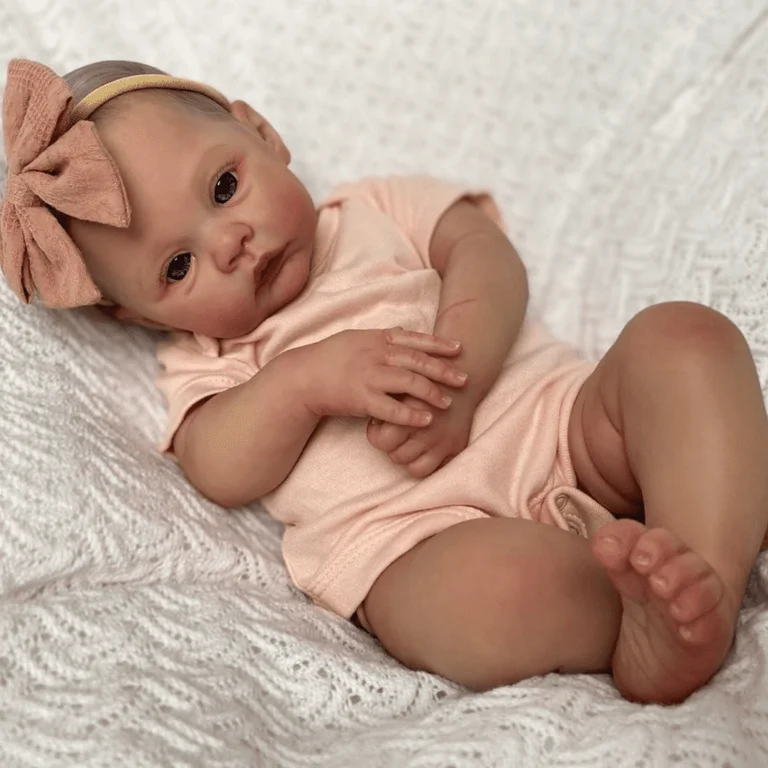

Reborn Babies: A Troubling Obsession Masquerading as Therapy
BY Hotspotorlando News
On the surface, reborn babies—hyper-realistic dolls crafted to mimic human infants—seem like a quirky niche for collectors or a coping tool for the bereaved. Priced from £300 to a staggering £20,000, these silicone and vinyl creations, complete with simulated heartbeats and baby powder scents, have exploded into a global phenomenon. Women like Sabrina Mckenna, who lost two babies, or Patrizia Bartolomei, separated from her children, cradle these dolls as surrogates for real human connection. Social media influencers like Jess Ellis rake in millions of TikTok views showcasing their “day-in-the-life” routines with these faux infants. Even celebrities like Katie Price have jumped on the bandwagon, parading reborns as parenting practice. But beneath the glossy veneer of therapeutic claims lies a troubling trend that exploits grief, commodifies motherhood, and normalizes an unsettling detachment from reality.
Let’s start with the psychological red flags. Proponents argue reborns help with miscarriage, infertility, or dementia, and there’s some merit here—studies show dolls can reduce agitation in dementia patients, and individuals like Madeline Fox, 19, credit them with easing anxiety. But the line between therapy and obsession blurs when grown adults spend £50,000, like collector Silvia Heszterenyiova, on 250 dolls they treat as living children. The reborn community’s insistence on banning the word “doll” and organizing therapy-style playdates suggests a collective denial of reality. This isn’t healing; it’s a curated fantasy that risks entrenching unresolved trauma rather than addressing it. Where are the mental health professionals guiding these women toward sustainable coping mechanisms? Instead, the industry peddles £20,000 AI-generated dolls, like one made from a couple’s childhood photos, preying on emotional vulnerability with no oversight.
Economically, the reborn craze is a masterclass in exploitation. Artisans churn out these dolls with 3D-printed molds and proprietary silicone, charging exorbitant prices for features like “breathing” mechanisms. The market thrives on women’s pain—miscarriage survivors, empty-nesters, or those facing infertility are sold the promise of closure through a pricey proxy. Meanwhile, social media amplifies the hype, with influencers turning grief into content for clout. The absurdity peaks when public resources are strained, as in Brazil, where a proposed 2025 bill in Minas Gerais seeks to ban health services for reborns due to their drain on the system. This isn’t a niche hobby; it’s a commercial juggernaut exploiting raw human suffering.
Societally, reborns expose a deeper malaise. Why are women, in particular, driven to such extremes to fulfill the role of “mother”? The phenomenon reflects a culture that still fetishizes motherhood as a woman’s ultimate purpose, pushing those who can’t or don’t conform into costly substitutes. The public’s mixed reactions—some call the dolls “creepy,” others defend their therapeutic value—highlight a discomfort we’re loath to articulate: these dolls aren’t just objects; they’re stand-ins for unmet expectations in a world that stigmatizes childlessness or grief. Yet instead of addressing these pressures, we normalize spending thousands to play house with a lifeless figure.
The absurdity isn’t lost on the real world. In 2024, UK police smashed into Ava Prior’s home, mistaking a reborn for an abandoned baby, causing £400 in damage. Such incidents underscore the dolls’ eerie realism and the confusion they sow. X posts reveal a split sentiment: some users marvel at the craftsmanship, others mock the “craziness” of treating dolls like kin. The critics have a point. When a teen mom like Maddie faces trolls for her reborn obsession, the issue isn’t just bullying—it’s the normalization of a practice that sidesteps reality for a curated illusion.
Reborn babies aren’t inherently evil, and the pain driving their adoption is real. But this industry, propped up by unchecked emotional manipulation and social media spectacle, is no solution. It’s a symptom of a society that fails to support grieving mothers, stigmatizes mental health care, and profits off desperation. Instead of dolls, we need affordable therapy, open conversations about loss, and a culture that doesn’t reduce women to their reproductive roles. Until then, reborns will keep selling—not hope, but a pricey, unsettling