


Senate Betrayal: Last-Minute Swap Shields Supreme Court Justices from Accountability in Organized Crime Probe
By Hotspotnews
In a stunning display of raw political power, Brazil’s Senate witnessed yet another chapter in the ongoing assault on transparency and the rule of law. On April 14, 2026, hours before a critical vote, opposition senators Sergio Moro and Marcos do Val were abruptly removed from the CPI do Crime Organizado—the Parliamentary Commission of Inquiry into Organized Crime. They were replaced by government-aligned PT senators Teresa Leitão and Beto Faro in a maneuver widely condemned as a desperate bid to protect powerful figures from scrutiny.
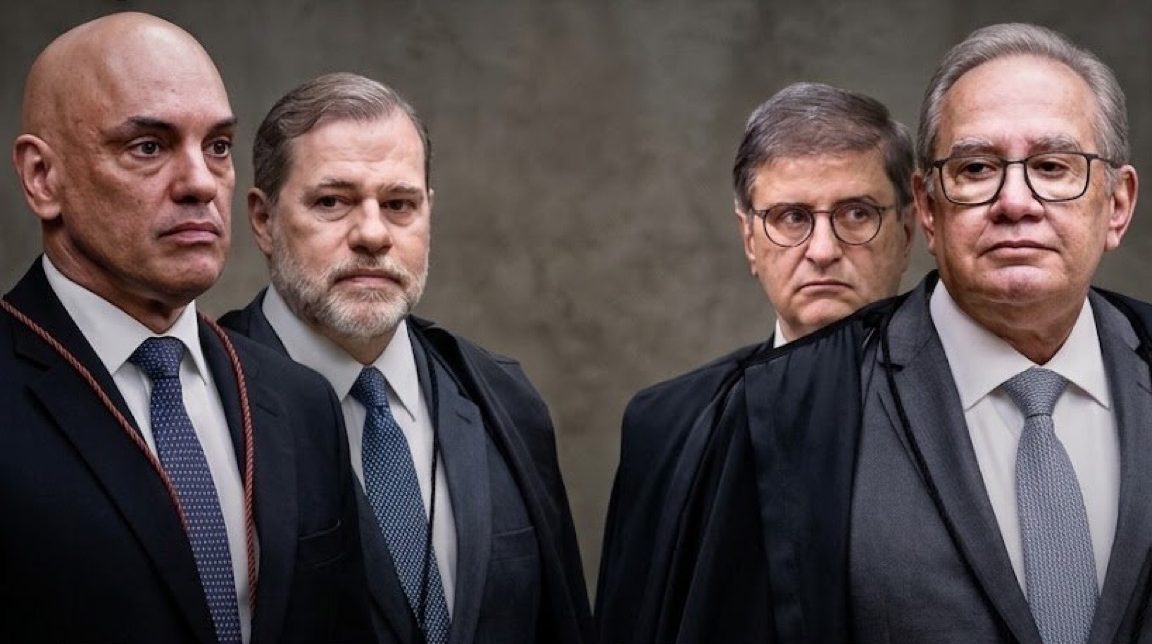
The report in question, drafted by Senator Alessandro Vieira, laid out serious allegations of misconduct. It called for the indictment of Supreme Federal Court (STF) ministers Alexandre de Moraes, Dias Toffoli, and Gilmar Mendes, along with Prosecutor-General Paulo Gonet, on charges of abuse of authority and responsibility crimes. These claims stemmed from documented interference in investigations, including decisions tied to the Banco Master financial scandal, where judicial actions appeared to shield allies and obstruct legitimate probes into organized crime networks infiltrating public institutions.
What should have been a straightforward vote on evidence gathered over months of hearings turned into a farce. The substitutions flipped the commission’s balance. What was expected to be a close or favorable outcome for accountability became a 6-4 rejection. Government loyalists, including the newly installed PT members and others like Otto Alencar, Humberto Costa, and Rogério Carvalho, voted to bury the findings. Brave voices from the right—Senators Magno Malta, Eduardo Girão, and Vieira himself—stood firm in favor, joined by figures like Esperidião Amin. Their efforts were overwhelmed by the orchestrated swap.
This was no routine procedural tweak. Senate President Davi Alcolumbre, working in tandem with the Lula administration, facilitated the changes through bloc leadership adjustments. Moro and Do Val had actively participated in the CPI’s work, attending sessions and contributing to uncovering uncomfortable truths about judicial overreach and potential protection rackets. Their replacements, with minimal prior involvement, delivered the votes needed to kill the report. Opposition senators immediately filed a formal appeal demanding the vote’s annulment, exposing the move as a blatant interference that undermined the commission’s integrity.
Conservatives have long warned of an entrenched “system” in Brasília—one where the executive, legislative enablers, and an activist judiciary close ranks to evade oversight. This episode confirms those fears. The STF ministers targeted in the report have faced mounting criticism for expansive rulings that many view as selective justice: censoring speech, targeting political opponents, and issuing decisions that stretch constitutional bounds. Shielding them from even the modest step of recommended indictments sends a chilling message: some are above the law, especially when their actions align with leftist political interests.
The probable results of this betrayal are troubling but predictable. Short-term, the CPI ends without a formal report, denying the Brazilian people a clear accounting of how organized crime—potentially including political and financial networks—has compromised state bodies. No indictments will advance to prosecutors or further congressional action based on this work. The government gains breathing room, and the implicated justices continue unchecked, likely emboldened to double down on controversial decisions.
Longer-term, expect deepened public distrust in institutions. Right-leaning parties like the PL, Novo, and Avante, along with independent conservatives, are already mobilizing. This could fuel stronger calls for judicial reform, term limits for STF ministers, or even impeachment proceedings in future Congresses with bolstered opposition majorities. Voters, weary of endless scandals and perceived two-tiered justice, may rally behind candidates promising to restore balance between branches of government and defend individual liberties against elite capture.
Senators like Marcos do Val have rightly labeled this a “desperation” tactic by those fearing exposure. Eduardo Girão and Magno Malta’s push to annul the vote underscores the resistance building on the right. While the immediate battle was lost through backroom deals, the war for accountability in Brazil is far from over. True conservatives must continue exposing these maneuvers, demanding sunlight on every corner of power, and fighting to ensure that no one—not even those in robes—is immune from the consequences of alleged wrongdoing.
The Brazilian people has a Senate that prioritizes protection rackets over truth. This shameful episode should serve as a rallying cry: reform the system, or watch it erode the foundations of democracy from within.