

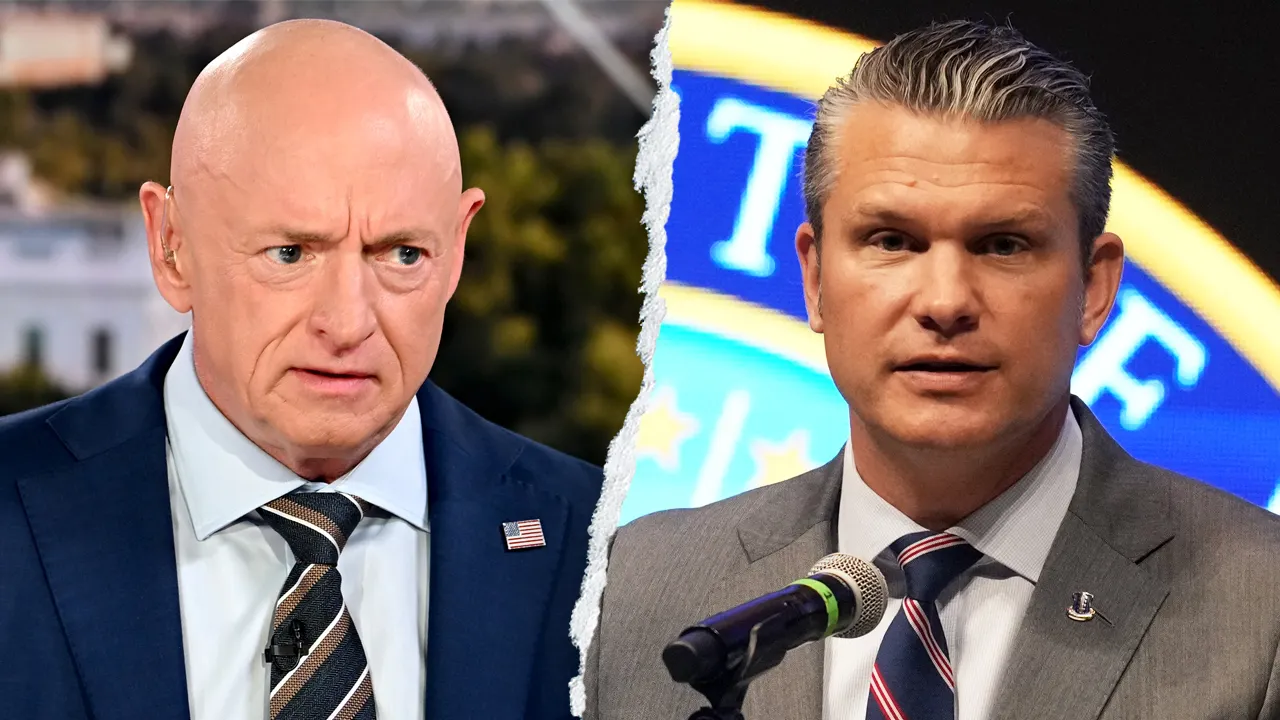

Senator Mark Kelly’s Dangerous Leak: When Politics Trumps National Security
By Hotspotnews
In a jaw-dropping display of partisan recklessness, Senator Mark Kelly (D-Arizona) took to national television and broadcast sensitive details from a classified Pentagon briefing—information that could embolden America’s adversaries at a time when U.S. munitions stockpiles are already dangerously depleted.
Appearing on CBS’s Face the Nation this weekend, the former Navy captain and astronaut openly discussed “shocking” shortages of critical weapons systems, including Tomahawk cruise missiles, ATACMS, SM-3 interceptors, THAAD batteries, and Patriot rounds. These revelations stemmed directly from a closed-door briefing given to senators about the strain placed on American arsenals by the ongoing conflict with Iran. Kelly warned that replenishing these stocks could take years, leaving the United States more vulnerable—particularly to threats from China.
Defense Secretary Pete Hegseth was having none of it. In a blistering response, Hegseth slammed Kelly for “blabbing on TV” about classified information, calling out the senator’s breach of trust and announcing a formal review by Pentagon legal counsel. This marks the second time Hegseth has had to pursue such action against Kelly. The message from the Trump administration is clear: leaking sensitive military readiness data during active conflict isn’t oversight—it’s a security risk.
Conservatives have every reason to be outraged. At a moment when America is engaged in high-stakes operations against Iranian aggression, Kelly chose the Sunday morning talk show circuit to air details that adversaries like Beijing, Moscow, or Tehran would love to know. Real national security isn’t a partisan prop. It demands discretion, especially from members of Congress who receive classified briefings precisely because they are trusted to keep them.
This isn’t Kelly’s first flirtation with controversy. As a Democrat with a military background, he often postures as a moderate voice of reason on defense issues. Yet here he is, undermining the very military he once served by publicizing vulnerabilities that could compromise future operations or deterrence. If the roles were reversed and a Republican senator had leaked similar details under a Democratic administration, the media would be screaming “treason” from every headline. Instead, we get silence or shrugs from the usual suspects.
The broader context makes Kelly’s actions even more irresponsible. The Biden years left our stockpiles in rough shape, and the current administration is working aggressively to rebuild them while confronting real threats abroad. Broadcasting the exact extent of our weaknesses doesn’t help American troops or allies—it signals frailty to enemies who are watching closely. China, in particular, would note any hesitation or shortfall in U.S. capabilities with great interest as it eyes Taiwan.
Secretary Hegseth is right to demand accountability. Senators swear an oath to protect the Constitution and the nation’s secrets. Violating that trust for camera time and political points should have consequences—up to and including resignation or legal repercussions. The Pentagon’s review is a necessary first step. If evidence confirms a willful disclosure of classified material, Kelly should face the full weight of the law, not a gentle tap on the wrist.
This episode exposes a deeper rot in Washington: too many politicians treat serious national security matters as opportunities for Sunday show soundbites rather than solemn duties. America faces real challenges—depleted reserves, rising threats from peer competitors, and active conflicts. We cannot afford elected officials who prioritize partisan narratives over protecting the homeland.
Senator Kelly owes the American people, our armed forces, and his colleagues in the Senate a serious explanation. Until then, his credibility on defense issues lies in tatters. National security isn’t a game. It’s time for consequences when politicians treat it like one.