



Smoke Over Brasília: Why Fears of Maduro-Linked Revelations Matter
By Hotspotnews
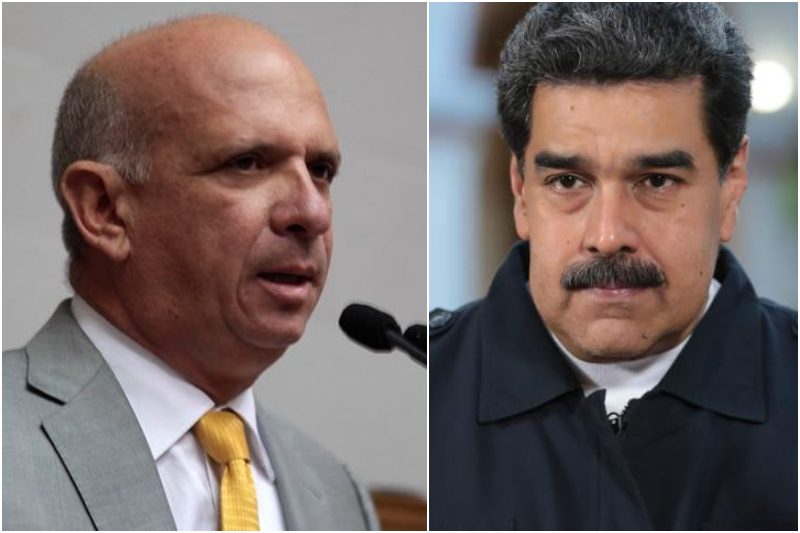
In politics, silence and sensitivity often speak louder than official statements. Recent chatter in Brazilian opposition circles and on social media centers on reports that figures close to President Luiz Inácio Lula da Silva’s government are uneasy about possible disclosures emerging from U.S. legal proceedings involving associates of Nicolás Maduro’s regime. One name repeatedly surfaces: Hugo Carvajal, better known as “El Pollo,” the former Venezuelan military intelligence chief now cooperating with American authorities after pleading guilty to serious narcotics and related charges.
Carvajal’s past statements, made years earlier in Spain, alleged that the Venezuelan government had funneled resources to left-wing parties and leaders across Latin America, including Brazil’s Workers’ Party. Those claims never produced court-validated evidence in Spain and were not publicly reiterated in the confirmed U.S. materials so far. Yet the mere fact that such allegations continue to circulate—and that they are being discussed as a potential vulnerability for the Brazilian government—has prompted a familiar question: if there is nothing to hide, why the concern?
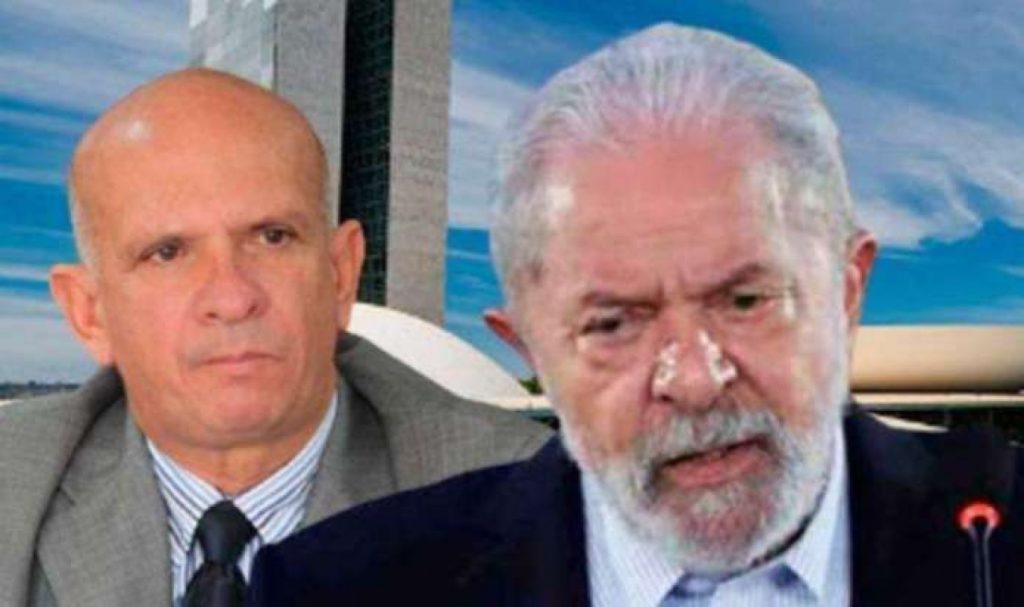

Conservative observers argue that this is not mere partisan noise. A pattern of opacity around foreign funding, ideological networks, and regional alliances has long fueled skepticism toward the Brazilian left. When a high-ranking former intelligence official from a neighboring dictatorship becomes a potential source of information in U.S. courts, it is reasonable for citizens to ask whether any financial or political linkages exist that have never been fully aired. Fear of that conversation itself becomes data.
None of this constitutes a judicial finding against Lula or the PT. Allegations remain just that until proven. Yet in a democracy, the public has a right to demand transparency when foreign judicial processes touch on domestic political history. The alternative—dismissing every inquiry as “far-right conspiracy”—only deepens distrust.
Where there is persistent smoke, responsible citizens do not pretend the air is clear. They insist on sunlight. Brazil’s voters deserve a full accounting of any past interactions between their political class and the Venezuelan apparatus now under examination abroad. Anything less invites the suspicion that some stories are being managed rather than confronted.


